

 Preview
 Send
Send Share
Share
 Details

 Download
 Similars
 X-Ray
X-Ray Diaporama
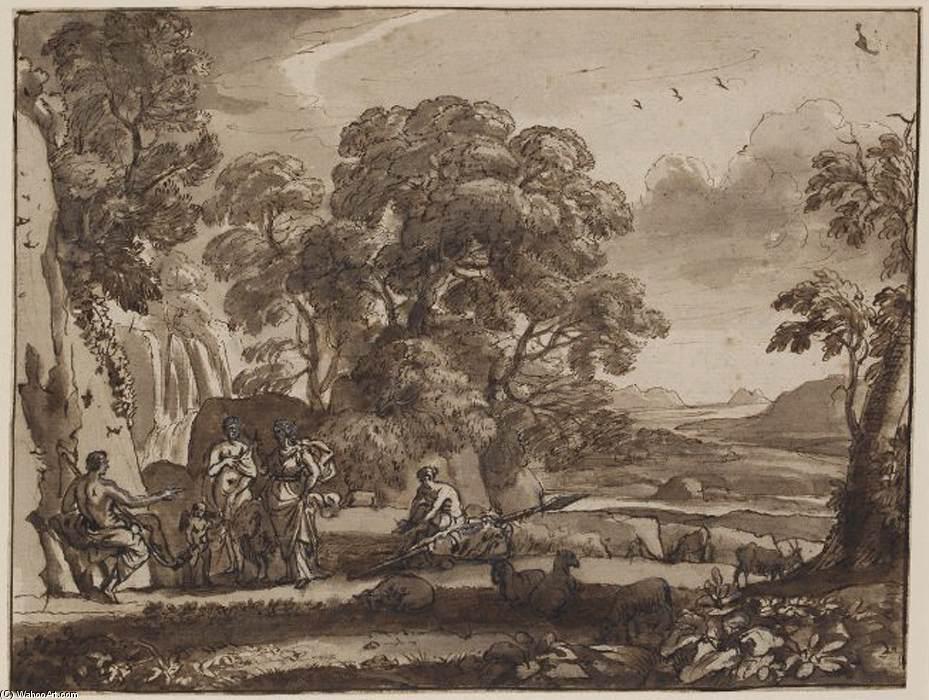
The Judgment of Paris
 Oil On Canvas
- WallArt
- Baroque Landscape
 1645
1645- Early Modern
 195.0 x 256.0 cm
 British Museum
 Read More
Purchase a high-resolution, enhanced digital image, far superior to the online preview.
Each file is meticulously prepared by our in-house specialists using advanced tools and expert manual retouching. We ensure every image has exceptional clarity, precise color accuracy, and fine detail.
The final file is delivered via email within 72 hours, optimized for immediate use in professional, editorial, and print environments. This is the same quality trusted by top-tier design studios, publishers, and galleries.
Digital Image
Download a high-resolution file for personal display, printing, and creative projects. ( Buy Print Buy Hand Made Painting)
Included in Every Digital Image Order
Expert Digital Delivery, Guaranteed
When you choose ArtsDot.com, you're not just getting an image - you're receiving a professionally enhanced digital artwork, crafted with precision and backed by a satisfaction guarantee. Here's everything that comes with your order, automatically:

Fast Email Delivery
Your high-resolution digital image file will be emailed to you within 72 hours of ordering - ready for immediate use.

AI-Enhanced Digital File
Your artwork is professionally optimized using advanced AI tools and manual editing, ensuring maximum detail, clarity, and color accuracy.

Free Lifetime Re-Delivery
Accidentally deleted or lost your file? No worries - we'll resend it to you anytime, free of charge.

No Import Fees - Ever
Enjoy your artwork instantly with zero customs, duties, or delivery fees - digital downloads are always tax-free.

Color Accuracy Guarantee
We ensure your digital image reflects the original colors as closely as possible using professional tools and color management.

60-Day Satisfaction Guarantee
If you're not satisfied with your digital image, we'll revise it or refund 100% within 60 days - no questions asked.

100% Money-Back Guarantee
Not satisfied? Get a full refund within 60 days of receiving your digital file - no questions asked.

Bulk Order Discounts
Buy 3 images, save 10% - Buy 5, save 15% - Buy 10+, save 20%. Great for creative projects, galleries, and agencies.
Collectible Description
A Vision of Mythic Grace: Exploring The Judgment of Paris
To gaze upon Claude Lorrain's depiction of The Judgment of Paris is to step directly into the sublime, sun-drenched poetry of the classical world. This masterful canvas does more than merely illustrate a moment from Greek mythology; it captures an atmosphere—a palpable sense of divine encounter set against the timeless grandeur of nature. The scene unfolds on a rocky hillside, where the lush backdrop of trees and distant vistas seems to breathe with life, guiding the viewer's eye through a composition built upon depth and narrative tension. It is a quintessential example of Baroque landscape painting infused with mythological weight.
The Artistry of Claude Lorrain: Light and Landscape
Claude Lorrain, a titan of the Baroque era, possessed an unparalleled ability to render light not merely as illumination, but as a tangible, emotional force. In this work, his technique is breathtakingly evident. He masterfully blends Italianate landscape traditions with classical subject matter, creating vistas that feel both meticulously observed and utterly idealized. Notice how the light seems to emanate from within the scene itself, catching the drapery of Aphrodite and lending an ethereal glow to Eros. The composition guides us through the figures—from those near the left edge to the central grouping, and finally to the quiet presence on the right, accompanied by a watchful dog. This careful arrangement ensures that every element, from the foreground rocks to the receding background foliage, contributes to a profound sense of spatial harmony.
Symbolism and Narrative Depth
The subject matter itself—the Judgment of Paris—is rich with symbolic resonance. It speaks to themes of beauty, divine favor, and fateful choice. The presence of Aphrodite, embodying irresistible allure, juxtaposed with the surrounding figures, invites contemplation on the nature of desire and judgment. Lorrain does not just paint people; he paints allegories. The landscape becomes a character in itself—a majestic, enduring witness to human (or divine) drama. For the collector or designer, this piece offers more than decoration; it offers a conversation starter, an intellectual anchor steeped in classical lore.
Creating an Atmosphere of Timeless Elegance
Owning a reproduction of this work is acquiring a portal to pastoral perfection. The scale of 195 x 256 cm suggests its power when displayed prominently, allowing the viewer to become fully immersed in Lorrain's carefully constructed world. Whether you are seeking to infuse a grand hall with historical gravitas or lend an air of romantic antiquity to a drawing-room, this painting’s enduring appeal lies in its perfect balance: the drama of myth contained within the serenity of nature. It is a piece that whispers tales of gods and mortals under an eternal, golden sky.
Related Artworks

Artist Biography
Claude Lorrain (Claude Gellée): A Life in Light and Landscape
Early Life and Training
Born around 1600 in Chamagne, a small village in the Duchy of Lorraine (modern-day France), Claude Lorrain – originally Claude Gellée – remains one of the most celebrated landscape painters of the Baroque period. His early life is shrouded in some mystery, with conflicting accounts of his apprenticeship. One account, by Joachim von Sandrart, suggests a humble beginning as an apprentice to a pastry baker before finding employment with artists in Rome. Another, from Filippo Baldinucci, details earlier training in Naples with Goffredo Wals and later in Rome under Agostino Tassi.
Rise to Prominence
By the 1630s, Claude Lorrain had firmly established himself as the leading landscapist in Italy. His paintings quickly gained recognition for their atmospheric qualities and command high prices. He skillfully blended Italianate landscapes with classical and biblical themes, creating scenes that were both visually stunning and intellectually engaging.
Artistic Style and Key Characteristics
- Luminous Sunlight: A defining feature of Claude’s work is his masterful depiction of light. He was among the first artists to consistently portray sunlight streaming through landscapes, creating a sense of atmosphere and realism previously unseen.
- Classical Influences: His compositions often draw inspiration from classical antiquity, incorporating Roman ruins, mythological figures, and architectural elements.
- Idealized Landscapes: Claude didn’t aim for strict topographical accuracy; instead, he created idealized landscapes that evoked a sense of harmony and tranquility.
- Detailed Drawings: He was a prolific draughtsman, creating numerous sketches and studies in pen, watercolor wash, and chalk – many preserved in his Liber Veritatis.
Influences and Development
Claude’s early influences included the landscape traditions of Northern Europe, particularly those of the Flemish painters. He also studied the works of Italian Renaissance masters like Titian and Raphael. Over time, his style evolved from darker, more dramatic compositions to lighter, airier scenes characterized by a golden glow.
Notable Works
- Landscape with Peasants Returning with their Herds
- Seaport with the Embarkation of the Queen of Sheba
- Sunrise
- Pastoral Landscape: The Roman Campagna
- The Disembarkation of Cleopatra at Tarsus
Historical Significance and Legacy
Claude Lorrain’s impact on landscape painting is immeasurable. He elevated the genre to a level of prestige previously reserved for historical and religious subjects. His works influenced generations of artists, including J.M.W. Turner and Impressionist painters who sought to capture the fleeting effects of light and atmosphere. Today, his paintings are highly valued and can be found in major museums worldwide, particularly the National Gallery (London) and the Art Gallery of South Australia.
Later Life and Death
Claude Lorrain passed away on November 23, 1682, in Rome. His tombstone in the church of San Luigi dei Francesi bears a simple inscription: “Claude / peintre de / rome / mort / le 23 novembre 1682”. He left behind a legacy as one of the most important and influential landscape painters in Western art history.

claude lorrain (claude gellée)
1600 - 1682
Quick Facts
- Birth_Date: c. 1600
- Birth_Place: Chamagne, Vosges, Duchy of Lorraine
- Death_Date: November 23, 1682
- Influenced_By:
- Goffredo Wals
- Agostino Tassi
- Movement: Baroque
- Name: Claude Lorrain (Claude Gellée)
- Nationality: French (Lorraine)
- Notable_Works:
- Landscape with Peasants returning with their herds
- Seaport with the Embarkation of the Queen of Sheba

