 Send
Send Share
Share
 Details

 Download
 Similars
 Diaporama
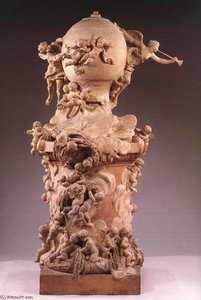
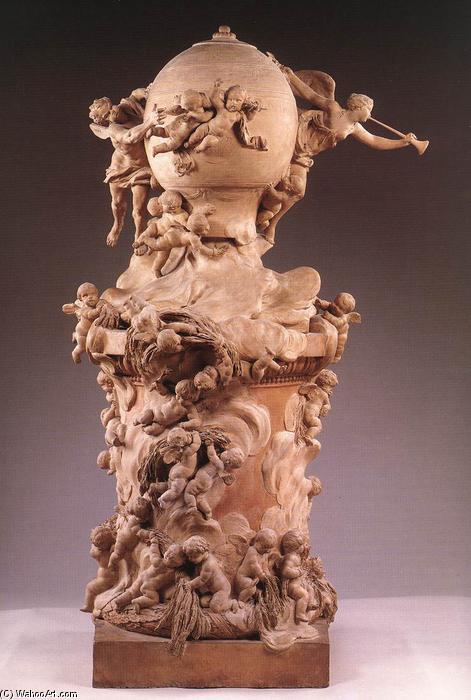
The Invention of the Balloon


 Read More
Giclée / Art Print
Museum-quality giclée or canvas print with fast production and flexible finish options. ( Buy Hand Made Painting Buy Image)




































Pick from our preset sizes that match the artwork's original proportions.

You may enter your own dimensions to fit a specific frame or space. If your selected size does not match the original image's proportions, we will either crop the artwork or extend the image with a mirrored or solid-fill edge. A digital mockup will be sent for your approval before production begins.
Please note that the on-screen preview does not reflect the actual cropping or extension. Only the mockup will accurately show the final composition.
While custom sizes are available, we recommend selecting a dimension from the predefined list to preserve the original proportions.
Worldwide Delivery () in 2 weeks instead of standard 4/5 weeks. (29 August)

Free Worldwide Express Shipping

High-Quality Linen Canvas

Full Shipping Insurance

Customs Tax Refund Guarantee

True Color Matching Guarantee

60-Day Return Policy (Defects Only)

100% Money-Back Guarantee

Bulk Discount Offer
 Glass option is only available in size under 110 CM

The Invention of the Balloon
Giclée / Art Print
Reproduction Size
-


Total Price
$ 63
The Invention of the Balloon – A Glimpse into Rococo Ingenuity
Clodion’s “The Invention of the Balloon,” a terracotta sculpture created in 1784, isn't merely a charming depiction of an early technological marvel; it’s a vibrant snapshot of Enlightenment curiosity and artistic exuberance. Housed within the Metropolitan Museum of Art’s collection, this piece offers a captivating window into a pivotal moment when art and science converged – a time of audacious experimentation and boundless optimism. The sculpture captures the breathless excitement surrounding the Montgolfier brothers' pioneering hot-air balloon flight, an event that ignited the public imagination and signaled a new era of aerial exploration.
At first glance, the scene is delightfully chaotic, brimming with figures engaged in a flurry of activity around a central, balloon-like structure. These aren’t static representations; Clodion masterfully imbues each character with dynamic energy – some scrambling to secure bundles of hay, others gesturing excitedly as they prepare to launch the device, and still others seemingly caught mid-flight, adding a sense of movement and spontaneity. The composition is deliberately asymmetrical, drawing the eye through a network of interconnected actions, mirroring the unpredictable nature of the balloon’s ascent.
A Rococo Vision – Clodion's Sculptural Style
Clodion, born Claude Michel in Nancy, France, was a pivotal figure in the transition between the late Baroque and Neoclassical periods. His work is characterized by a distinctive blend of elegance, sensuality, and playful dynamism— hallmarks of the Rococo style. This sculpture exemplifies his signature approach: figures are rendered with graceful curves and flowing lines, often imbued with a touch of mischievousness or eroticism. Notice how the putti (cherubs) depicted here aren’t simply helpers; they possess an almost impish quality, their gestures suggesting both eagerness and delight.
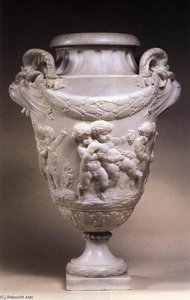
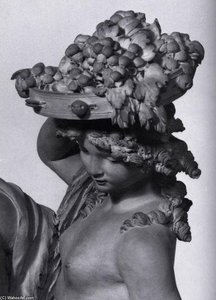
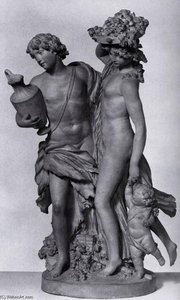
Clodion's technical skill is equally impressive. The terracotta itself is skillfully molded and carved, revealing a remarkable level of detail in the figures’ drapery, expressions, and even the texture of the hay bundles. The varying shades of brown within the clay create subtle tonal shifts, adding depth and realism to the scene. The artist's use of modeling—creating raised surfaces to suggest volume and form—is particularly noteworthy, lending a tactile quality to the sculpture that invites close examination.
Symbolism and Context – A Moment in History
Beyond its aesthetic appeal, “The Invention of the Balloon” is rich in symbolic meaning. The central balloon itself represents not just technological innovation but also aspiration—the desire to transcend earthly limitations and reach for the heavens. The figures surrounding it embody various aspects of this ambition: Fame, depicted as a trumpet-wielding goddess, celebrates the achievement; Aeolus, the Greek god of winds, propels the balloon forward; and the putti represent the youthful enthusiasm and boundless energy associated with discovery. The inclusion of these mythological elements underscores the sculpture’s connection to ancient narratives of flight and exploration.
It's important to remember that this work was created in 1784, shortly after the first successful manned hot-air balloon flight. The French monarchy, eager to showcase its technological prowess, commissioned a monument to commemorate this event. Clodion’s design was one of seven submitted, and while it wasn't ultimately chosen for construction, it remains a testament to the artistic spirit of the era. The project’s eventual abandonment reflects the political instability that would soon engulf France during the Revolution.
A Legacy of Artistic Innovation
“The Invention of the Balloon” stands as a remarkable example of Clodion's artistry and his ability to capture the essence of a transformative moment in history. It’s a sculpture brimming with life, movement, and symbolic richness—a captivating reminder of the power of art to both reflect and shape our understanding of the world. Reproductions of this piece offer a beautiful way to bring this vibrant scene into your home or office, celebrating the ingenuity and artistic spirit of the Enlightenment.
Related Artworks


Artist Biography
Benjamin West: Bridging Worlds, Painting History
Born in Springfield, Pennsylvania, in 1738 – a location now marked by a college campus that echoes his early life – Benjamin West’s journey from a humble upbringing to international acclaim is a testament to self-taught artistry and an unwavering ambition. His story isn't simply one of talent; it’s a narrative interwoven with the burgeoning spirit of America, the complexities of European patronage, and the evolution of artistic taste itself. Initially raised in a tavern owned by his father, John West, amidst the vibrant social life of Newtown Square, young Benjamin developed an early fascination with art, fueled by his mother's encouragement and a remarkable ability to capture the world around him – even reportedly learning about pigments from Native Americans who demonstrated their traditional methods.
West’s artistic development was remarkably unconventional. He lacked formal training, yet he quickly established himself as a portraitist in Philadelphia, attracting local commissions that provided the financial means for his pivotal move to Europe at the age of 25. This decision marked a turning point, propelling him into the heart of the European art world and setting the stage for a career defined by grand historical narratives and influential connections. His early years in Italy were dedicated to meticulous study, meticulously copying the works of masters like Titian, Raphael, and Rembrandt – absorbing their techniques and understanding of composition, light, and color. This period wasn’t merely about imitation; it was a deliberate process of honing his skills and establishing a foundation for his own distinctive style.
The Rise to Prominence in London
West's arrival in London in 1763 proved transformative. He swiftly cultivated a network of influential patrons, including the Archbishop of York, who introduced him to King George III – an encounter that would profoundly shape his career. The King’s admiration led to West being appointed historical painter to the court and Surveyor of the King's Pictures, positions that afforded him unparalleled access to royal commissions and established him as a leading figure in the British art scene. This elevation coincided with a significant shift in artistic taste – a move towards what is known as Neoclassicism, inspired by the rediscovery of classical antiquity. West embraced this movement, incorporating its emphasis on order, clarity, and moral themes into his work.
West’s most celebrated achievement, *The Death of General Wolfe* (1770), exemplifies this transition. This monumental painting, depicting the pivotal Battle of Quebec, broke with established conventions by portraying a contemporary military scene in the style of a classical history painting. The decision to depict the figures in modern uniforms – a bold departure from traditional depictions of heroic battles – was revolutionary and immediately garnered critical acclaim. The success of *The Death of Wolfe* catapulted West to international fame, establishing him as a major force in British art and demonstrating his ability to both innovate and satisfy the tastes of the royal court.
A Patron of American Artists
Beyond his own prolific output, Benjamin West played a crucial role in nurturing the next generation of American artists. Recognizing the potential within his fellow countrymen who traveled to Europe seeking artistic training, he opened his studio as a haven for aspiring painters. He mentored numerous talented individuals, including Charles Willson Peale, Gilbert Stuart, and John Trumbull – many of whom went on to achieve significant success in their own right. West’s generosity extended beyond providing instruction; he facilitated access to galleries, introduced artists to influential figures, and fostered a sense of community within the American art world.
West's influence wasn't limited to his students. He actively promoted the study of classical antiquity, believing that a thorough understanding of history and mythology was essential for creating meaningful art. His own paintings often drew inspiration from historical events and mythological narratives, reflecting his commitment to portraying stories with moral weight and dramatic impact. His later works, such as *The Preservation of St Paul after a Shipwreck at Malta* and *Christ Healing the Sick*, showcased his evolving style and continued dedication to grand-scale historical compositions.
Legacy and Historical Significance
Benjamin West’s career spanned over five decades, during which he profoundly shaped the course of American and British art. He was not merely a painter; he was a pioneer, an innovator, and a key figure in the establishment of the Royal Academy of Arts – an institution that would become a cornerstone of the British art world. His embrace of Neoclassicism, his groundbreaking *Death of General Wolfe*, and his role as a mentor to American artists cemented his legacy as one of the most important figures in 18th-century art.
West’s story is particularly poignant because it represents a rare confluence of circumstances: an autodidact who rose to prominence through talent, patronage, and a keen understanding of artistic trends. He bridged the gap between America and Europe, fostering cultural exchange and leaving behind a rich artistic heritage that continues to inspire artists today. His life and work offer a fascinating glimpse into the dynamic world of 18th-century art and the enduring power of human creativity.
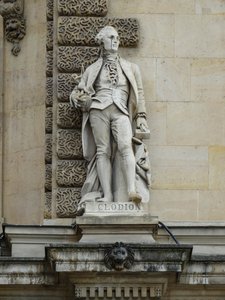
claude michel (clodion)
1738 - 1814 , France
Quick Facts
- Artistic Movement Or Style: Neoclassical, History Painting
- Artists Or Movements Influenced By This Artist:
- Copley
- Romanticism
- Artists Who Influenced This Artist:
- Titian
- Raphael
- Mengs
- Date Of Birth: Oct 10, 1738
- Date Of Death: Mar 11, 1820
- Full Name: Benjamin West
- Nationality: American
- Notable Artworks:
- Death of Nelson
- Wolfe's Death
- Paris Treaty
- Place Of Birth: Springfield, PA
Related Articles

Bronze Sculptures That Defined Art History | ArtsDot
Journey through art history with our Top 10 bronze sculptures! Explore masterpieces by Rodin, Michelangelo & more. Discover stories behind iconic statues and find museum-quality reproductions for your home decor at ArtsDot.com.

The Enduring Form: Exploring Themes & Techniques in Sculpture Across Historical Periods
Explore the rich history of sculpture from ancient masterpieces to contemporary innovations. Discover key techniques, influential artists & investment potential for discerning art collectors.

Bronze Age to Modern Masters: 10 Sculptures That Redefined Art | ArtsDot
Journey through art history with 10 legendary bronze sculptures – from Michelangelo's David to Rodin’s Thinker. Explore the stories, techniques & timeless beauty of these masterpieces. Find museum-quality reproductions & elevate your home decor on ArtsDot.com.

The Enduring Form: Sculpture Across History, Technique & Emotional Resonance
Explore the rich history of sculpture with ArtsDot. Discover key techniques, influential artists & investment potential for discerning collectors. Expert insights into valuing and collecting timeless masterpieces.
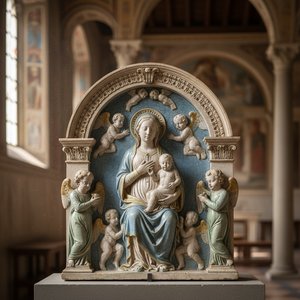
Luca della Robbia: Renaissance Sculpture & the Innovation of Terracotta Glazing
Discover the innovative terracotta glazing techniques of Luca della Robbia, a Renaissance master sculptor. Explore his iconic works, legacy, and collecting tips with ArtsDot.