

 Preview
 Send
Send Share
Share
 Details

 Download
 Similars
 X-Ray
X-Ray Diaporama
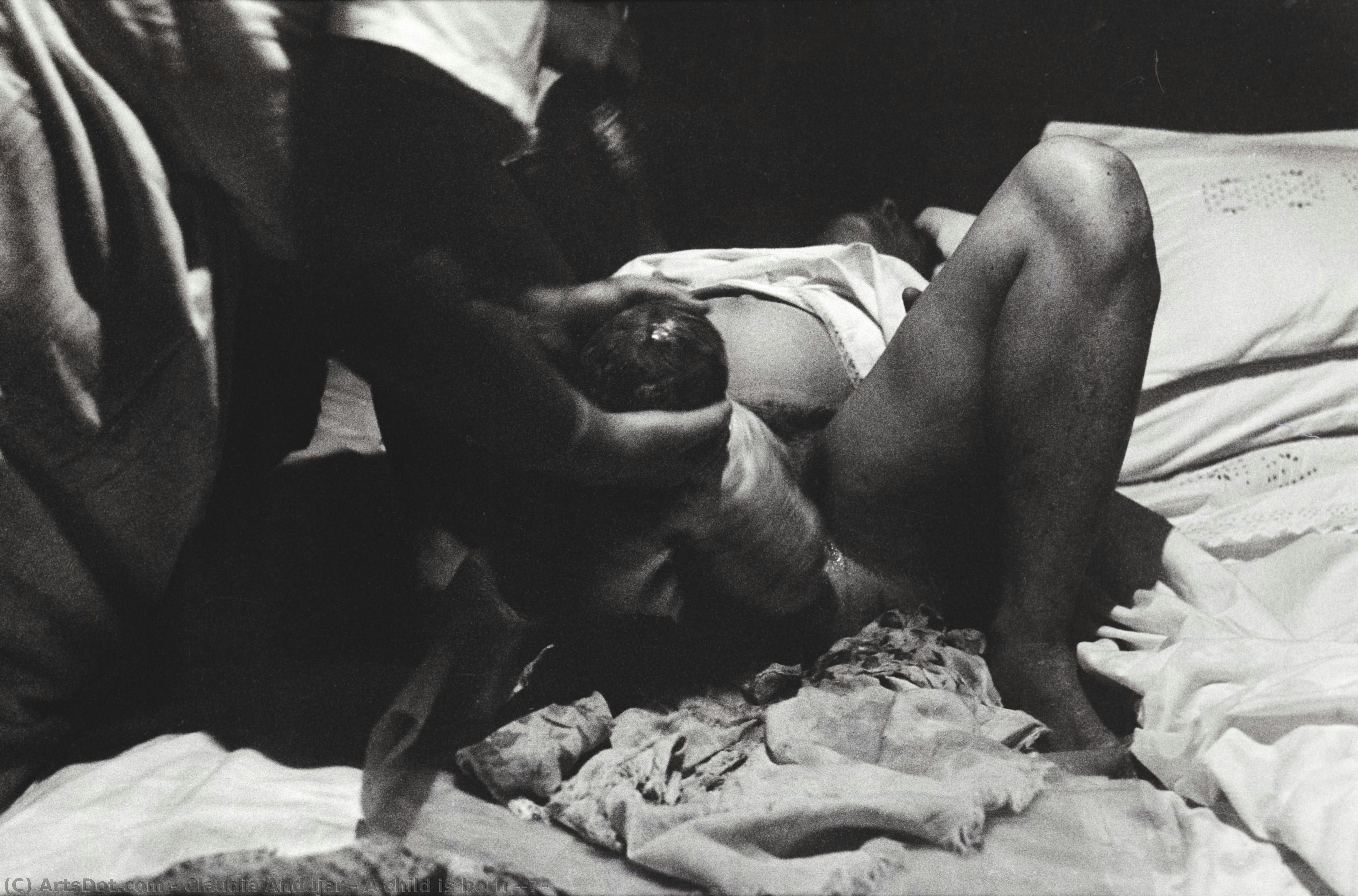
A child is born (#7)
 Acrylic On Canvas
- WallArt
- Contemporary Realism
 1966
1966 73.0 x 110.0 cm
 Instituto Moreira Salles
 Read More
Purchase a high-resolution, enhanced digital image, far superior to the online preview.
Each file is meticulously prepared by our in-house specialists using advanced tools and expert manual retouching. We ensure every image has exceptional clarity, precise color accuracy, and fine detail.
The final file is delivered via email within 72 hours, optimized for immediate use in professional, editorial, and print environments. This is the same quality trusted by top-tier design studios, publishers, and galleries.
Digital Image
Download a high-resolution file for personal display, printing, and creative projects. ( Buy Print Buy Hand Made Painting)
Included in Every Digital Image Order
Expert Digital Delivery, Guaranteed
When you choose ArtsDot.com, you're not just getting an image - you're receiving a professionally enhanced digital artwork, crafted with precision and backed by a satisfaction guarantee. Here's everything that comes with your order, automatically:

Fast Email Delivery
Your high-resolution digital image file will be emailed to you within 72 hours of ordering - ready for immediate use.

AI-Enhanced Digital File
Your artwork is professionally optimized using advanced AI tools and manual editing, ensuring maximum detail, clarity, and color accuracy.

Free Lifetime Re-Delivery
Accidentally deleted or lost your file? No worries - we'll resend it to you anytime, free of charge.

No Import Fees - Ever
Enjoy your artwork instantly with zero customs, duties, or delivery fees - digital downloads are always tax-free.

Color Accuracy Guarantee
We ensure your digital image reflects the original colors as closely as possible using professional tools and color management.

60-Day Satisfaction Guarantee
If you're not satisfied with your digital image, we'll revise it or refund 100% within 60 days - no questions asked.

100% Money-Back Guarantee
Not satisfied? Get a full refund within 60 days of receiving your digital file - no questions asked.

Bulk Order Discounts
Buy 3 images, save 10% - Buy 5, save 15% - Buy 10+, save 20%. Great for creative projects, galleries, and agencies.
Collectible Description
A Child Is Born (#7) – Claudia Andujar
Claudia Andujar’s “A child is born (#7)” isn't merely a photograph; it’s a crystallized moment of resilience and vulnerability, captured against the backdrop of Bento Gonçalves, Rio Grande do Sul in 1966. Published in Realidade magazine by Narciso Kalili, this striking image delves into the essence of childbirth within a deeply rooted cultural tradition – a tradition fiercely defended by Dona Odila, a midwife who embodies the enduring spirit of rural Brazil. The photograph’s power resides not just in its visual composition but also in its ability to transport viewers back to a specific time and place, fostering contemplation on themes of family, heritage, and the profound beauty found within everyday life.- Subject Matter: The artwork centers around the act of childbirth – a universal experience imbued with significance as both creation and vulnerability. It portrays Dona Odila undergoing labor, highlighting the importance of maternal care and traditional practices in Brazilian society during the mid-1960s.
- Composition & Perspective: Employing a close-up perspective, Andujar draws the viewer directly into the intimate scene unfolding before them. The framing emphasizes Dona Odila’s body language and posture, creating a sense of immediacy and capturing the raw emotion of the moment. Diagonal lines contribute to dynamism, mirroring the energy of childbirth itself.
- Color Palette & Lighting: Strikingly monochrome—primarily shades of gray—the image prioritizes texture and form over color. The dramatic lighting accentuates contours and shadows, amplifying the emotional intensity of the scene and lending it a timeless quality reminiscent of documentary photography.
- Technique & Medium: Executed as a silver gelatin print on photographic paper, Andujar’s technique embodies meticulous craftsmanship. This medium ensures exceptional detail and tonal range, faithfully reproducing the nuances of light and shadow—essential elements in conveying the photograph's emotional resonance.
- Birth Year: 1931
- Death Year: Living
- Birth City: Neuchâtel
- Birth Country: Switzerland
- Biography: A Life Etched in Light: The World of Claudia Andujar – Her artistic journey began with formative experiences shaped by the trauma of her father’s death at Dachau, fueling a lifelong dedication to preserving cultural heritage and advocating for marginalized communities.
Additional Research:
The photograph's publication in Realidade magazine sparked considerable debate regarding journalistic ethics and artistic representation. It became emblematic of the broader discussion surrounding documenting vulnerable populations while upholding ethical standards—a conversation that continues to inform contemporary photographic practice. The image’s enduring appeal stems from its ability to capture a pivotal moment in Brazilian history – a testament to Andujar's skill as an artist and her unwavering commitment to conveying human experience with honesty and compassion.Related Artworks
Artist Biography
A Life Etched in Light: The World of Claudia Andujar
Claudia Andujar’s journey is one of displacement, discovery, and unwavering dedication—a life profoundly shaped by the shadows of history and illuminated by a fierce commitment to social justice. Born Claudine Haas in 1931 in Neuchâtel, Switzerland, her early years were marked by the tumultuous currents of pre-war Europe. The family’s flight from Hungary, escaping the rising tide of persecution, instilled within her a deep awareness of vulnerability and loss. This formative experience, tragically culminating in the death of her father at Dachau, would become a defining force in her artistic vision, fueling a lifelong empathy for marginalized communities. After studies in humanities at Hunter College in New York City, where she met her future husband Julio Andujar, she arrived in Brazil in 1956, a pivotal moment that set the course for her extraordinary career. It was here, amidst the vastness of the Amazon rainforest and the rich cultures of its indigenous peoples, that she found her true calling.Embracing the Yanomami: A Collaborative Vision
Andujar’s initial foray into photography began with documenting the Karajá people, but it was her encounter with the Yanomami in the Amazon Basin that irrevocably transformed her work. What started as a photojournalistic assignment evolved into a decades-long immersion—a profound collaboration built on respect and understanding. She didn't approach the Yanomami as subjects to be observed from afar; instead, she sought to become a witness *with* them, learning their cosmology, participating in their rituals, and advocating for their rights. This commitment led her to experiment with photographic techniques that moved beyond simple documentation. Rejecting conventional approaches, Andujar embraced infrared film, capturing the spiritual dimension of Yanomami life—the unseen forces they believe permeate the forest. Multiple exposures became a tool to represent the layered realities of their existence, blending the tangible and the ethereal. Her portraits are particularly striking, featuring individuals adorned with intricate body paint and feathers, not as exoticized figures but as powerful expressions of cultural identity.Beyond Documentation: Activism and Artistic Innovation
Andujar’s work transcends mere aesthetic beauty; it is inherently political. She recognized the imminent threats facing the Yanomami—the encroachment of miners, loggers, and government projects that jeopardized their land, their health, and their way of life. Her photographs became a powerful form of advocacy, raising awareness about the plight of this vulnerable community on an international stage. This activism culminated in her crucial role in establishing the Yanomami Park, a protected area designed to safeguard their ancestral lands. Her dedication earned her significant recognition, including the Lannan Foundation’s Cultural Freedom Prize in 2000 and Brazil's Ordem do Mérito Cultural in 2008. But perhaps the most poignant acknowledgement came with the Goethe Medal in 2018, solidifying her legacy as a visionary artist and tireless defender of indigenous rights. Yanomami: The House, The Forest, The Invisible, published in 1998, stands as a seminal work—a testament to her deep connection with the Yanomami and a profound exploration of their worldview.A Lasting Legacy: Echoes of Resilience
Claudia Andujar’s influence extends far beyond the realm of photography. She challenged conventional notions of documentary practice, demonstrating that representation could be both aesthetically innovative and ethically responsible. Her experimental techniques paved the way for a new generation of photographers interested in exploring social justice issues with sensitivity and nuance. Her work serves as a potent reminder of the importance of listening to marginalized voices and respecting cultural diversity. By giving visibility to the Yanomami, she not only documented their existence but also empowered them to tell their own stories. Her legacy is one of unwavering commitment—a testament to the power of art to inspire change and advocate for a more just and equitable world. She continues to live and work, her dedication undiminished, ensuring that the voices of the Yanomami continue to resonate across continents.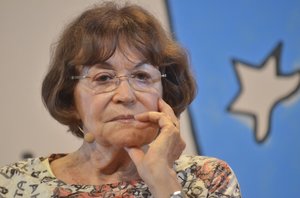
Claudia Andujar
1931 - , Switzerland
Quick Facts
- Artistic Movement Or Style: Documentary photography, Experimental
- Artists Or Movements Influenced By This Artist: Contemporary photographers
- Date Of Birth: June 12, 1931
- Full Name: Claudia Andujar
- Nationality: Swiss-Brazilian
- Notable Artworks:
- Yanomami: The House...
- Identity, Wakatha u
- The devil
- Waterfall of Santo...
- Place Of Birth: Neuchâtel, Switzerland

