 Preview
 Send
Send Share
Share
 Details

 Download
 Similars
 X-Ray
X-Ray Diaporama
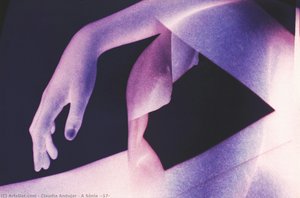
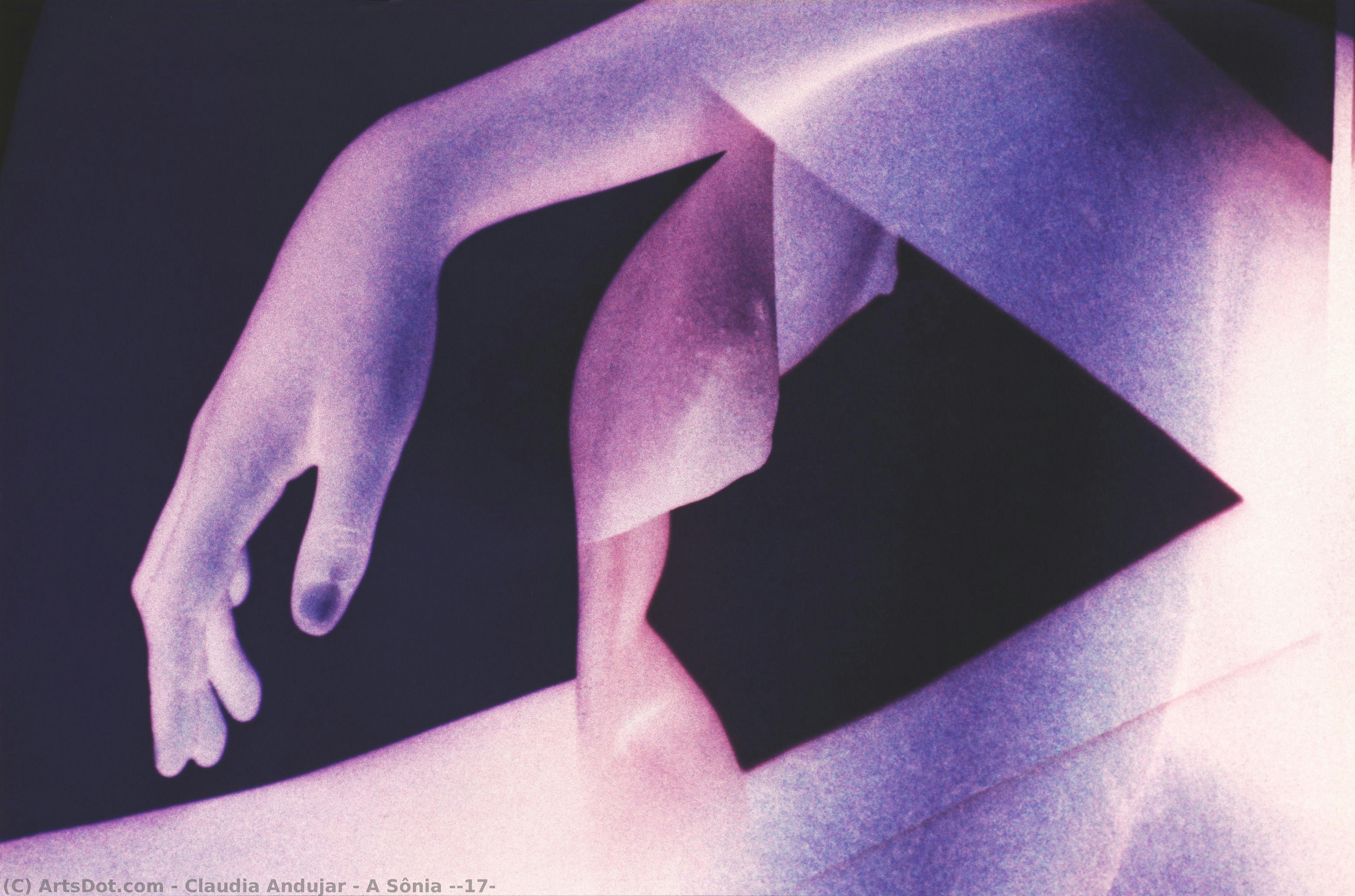
A Sônia (#17)
 Painting
- Surrealism
 1971
1971- Modern
 70.0 x 105.0 cm
 Instituto Moreira Salles
 Read More
Hand Made Oil Reproduction
Hand-painted oil on canvas in your size and frame, made to order by our artists. ( Buy Print Buy Image)




































Pick from our preset sizes that match the artwork's original proportions.

You may enter your own dimensions to fit a specific frame or space. If your selected size does not match the original image's proportions, we will either crop the artwork or extend the painting with additional hand-painted elements. A digital mockup will be sent for your approval before production begins.
Please note that the on-screen preview does not reflect the actual cropping or extension. Only the mockup will accurately show the final composition.
While custom sizes are available, we recommend selecting a dimension from the predefined list to preserve the original proportions.
After order, ArtsDot.com team will email client for instructions and provide a mockup preview
Worldwide Delivery () in 3/4 weeks instead of standard 5 weeks. (18 August). No compromise on quality.

Free Worldwide Express Shipping

High-Quality Linen Canvas

Full Shipping Insurance

Customs Tax Refund Guarantee

True Color Matching Guarantee

60-Day Return Policy (Defects Only)

100% Money-Back Guarantee

Bulk Discount Offer
 Glass option is only available in size under 110 CM

A Sônia (#17)
Reproduction Medium
Reproduction Size
-


Total Price
$ 263
Artwork Description
A Vision in Violet: The Ethereal Essence of A Sônia (#17)
In the evocative realm of Claudia Andujar, boundaries between reality and dreamscape dissolve into a singular, hauntingly beautiful experience. Her 1971 masterpiece, A Sônia (#17), serves as a profound testament to her ability to capture the intangible. The work presents a figure with arms outstretched, caught in a moment of yearning or perhaps spiritual release. Through a lens of deep, monochromatic purples, the subject appears both present and ghostly, their form subtly distorted and stretched in a manner that defies traditional anatomy. This surrealist manipulation creates a sense of fluid motion, as if the very fabric of the person is merging with the atmosphere around them. For the discerning collector, this piece offers more than just visual intrigue; it provides a window into a psyche where light and shadow perform a delicate, eternal dance.
The technique employed in A Sônia (#17) reflects Andujar’s mastery of experimental textures and light manipulation. While her legacy is deeply rooted in the documentation of the Yanomami people, this specific work showcases her capacity for pure, abstract expressionism. The heavy use of violet tones does not merely serve as a color choice but acts as an emotional weight, enveloping the viewer in a sense of introspection and mystery. The way the light seems to bleed through the edges of the figure suggests a technique that prioritizes the feeling of the moment over the precision of the line. This soft-focus, almost liquid quality makes the painting feel alive, pulsating with a quiet energy that is both soothing and unsettling.
Beyond its aesthetic allure, the historical and emotional context of Andujar’s life breathes a unique soul into this work. Having navigated the traumas of displacement and loss in mid-century Europe, her art often explores themes of vulnerability and the resilience of the human spirit. In A Sônia (#17), the outstretched arms can be interpreted as a symbol of reaching for connection amidst the shadows of existence. It is a piece that resonates deeply within contemporary spaces, offering a sophisticated focal point for interior designers seeking to introduce depth and narrative into a room. Whether placed in a minimalist gallery setting or a richly textured study, this reproduction brings with it an aura of profound empathy and artistic courage, making it an incomparable acquisition for those who value art as a vessel for the human condition.
Related Artworks
Artist Biography
A Life Etched in Light: The World of Claudia Andujar
Claudia Andujar’s journey is one of displacement, discovery, and unwavering dedication—a life profoundly shaped by the shadows of history and illuminated by a fierce commitment to social justice. Born Claudine Haas in 1931 in Neuchâtel, Switzerland, her early years were marked by the tumultuous currents of pre-war Europe. The family’s flight from Hungary, escaping the rising tide of persecution, instilled within her a deep awareness of vulnerability and loss. This formative experience, tragically culminating in the death of her father at Dachau, would become a defining force in her artistic vision, fueling a lifelong empathy for marginalized communities. After studies in humanities at Hunter College in New York City, where she met her future husband Julio Andujar, she arrived in Brazil in 1956, a pivotal moment that set the course for her extraordinary career. It was here, amidst the vastness of the Amazon rainforest and the rich cultures of its indigenous peoples, that she found her true calling.Embracing the Yanomami: A Collaborative Vision
Andujar’s initial foray into photography began with documenting the Karajá people, but it was her encounter with the Yanomami in the Amazon Basin that irrevocably transformed her work. What started as a photojournalistic assignment evolved into a decades-long immersion—a profound collaboration built on respect and understanding. She didn't approach the Yanomami as subjects to be observed from afar; instead, she sought to become a witness *with* them, learning their cosmology, participating in their rituals, and advocating for their rights. This commitment led her to experiment with photographic techniques that moved beyond simple documentation. Rejecting conventional approaches, Andujar embraced infrared film, capturing the spiritual dimension of Yanomami life—the unseen forces they believe permeate the forest. Multiple exposures became a tool to represent the layered realities of their existence, blending the tangible and the ethereal. Her portraits are particularly striking, featuring individuals adorned with intricate body paint and feathers, not as exoticized figures but as powerful expressions of cultural identity.Beyond Documentation: Activism and Artistic Innovation
Andujar’s work transcends mere aesthetic beauty; it is inherently political. She recognized the imminent threats facing the Yanomami—the encroachment of miners, loggers, and government projects that jeopardized their land, their health, and their way of life. Her photographs became a powerful form of advocacy, raising awareness about the plight of this vulnerable community on an international stage. This activism culminated in her crucial role in establishing the Yanomami Park, a protected area designed to safeguard their ancestral lands. Her dedication earned her significant recognition, including the Lannan Foundation’s Cultural Freedom Prize in 2000 and Brazil's Ordem do Mérito Cultural in 2008. But perhaps the most poignant acknowledgement came with the Goethe Medal in 2018, solidifying her legacy as a visionary artist and tireless defender of indigenous rights. Yanomami: The House, The Forest, The Invisible, published in 1998, stands as a seminal work—a testament to her deep connection with the Yanomami and a profound exploration of their worldview.A Lasting Legacy: Echoes of Resilience
Claudia Andujar’s influence extends far beyond the realm of photography. She challenged conventional notions of documentary practice, demonstrating that representation could be both aesthetically innovative and ethically responsible. Her experimental techniques paved the way for a new generation of photographers interested in exploring social justice issues with sensitivity and nuance. Her work serves as a potent reminder of the importance of listening to marginalized voices and respecting cultural diversity. By giving visibility to the Yanomami, she not only documented their existence but also empowered them to tell their own stories. Her legacy is one of unwavering commitment—a testament to the power of art to inspire change and advocate for a more just and equitable world. She continues to live and work, her dedication undiminished, ensuring that the voices of the Yanomami continue to resonate across continents.
Claudia Andujar
1931 - , Switzerland
Quick Facts
- Artistic Movement Or Style: Documentary photography, Experimental
- Artists Or Movements Influenced By This Artist: Contemporary photographers
- Date Of Birth: June 12, 1931
- Full Name: Claudia Andujar
- Nationality: Swiss-Brazilian
- Notable Artworks:
- Yanomami: The House...
- Identity, Wakatha u
- The devil
- Waterfall of Santo...
- Place Of Birth: Neuchâtel, Switzerland
Related Articles
René Magritte's Masterpieces: 25 Surrealist Paintings for Art Lovers | ArtsDot
Explore 25 iconic René Magritte paintings & delve into the world of surrealism. Discover the stories behind 'The Son of Man', 'Golconda' & more. Find museum-quality art reproductions and elevate your home decor with ArtsDot.com.
Surrealism's Visionaries: 10 Masterpieces for Your Home | ArtsDot
Journey into the dreamlike world of Surrealism! Explore 10 masterpieces by Dali, Magritte & Miró that redefined art. Discover their stories & find museum-quality reproductions to elevate your home decor on ArtsDot.com.
Surrealist Painting Masterpieces: 10 Artworks That Redefined Reality | ArtsDot
Journey into the dreamlike world of Surrealism! Explore 10 masterpieces by Dali, Magritte & Miró that redefined art. Discover their stories & find museum-quality reproductions to elevate your home decor on ArtsDot.com.
Salvador Dalí's Masterpieces: 25 Surrealist Visions for Your Home | ArtsDot
Journey into the surreal world of Salvador Dalí! Explore 25 iconic paintings—from 'The Persistence of Memory' to his boldest creations. Discover the stories behind these masterpieces & find museum-quality art reproductions for your home at ArtsDot.com.
Max Ernst's Masterpieces: 25 Surreal Visions for Art Lovers & Home Decor
Journey into the surreal world of Max Ernst! Explore 25 iconic paintings, from Dada to abstract expressionism. Discover the stories behind his masterpieces & find museum-quality art reproductions for your home decor at ArtsDot.com.