

 Preview
 Send
Send Share
Share
 Details

 Download
 Similars
 X-Ray
X-Ray Diaporama
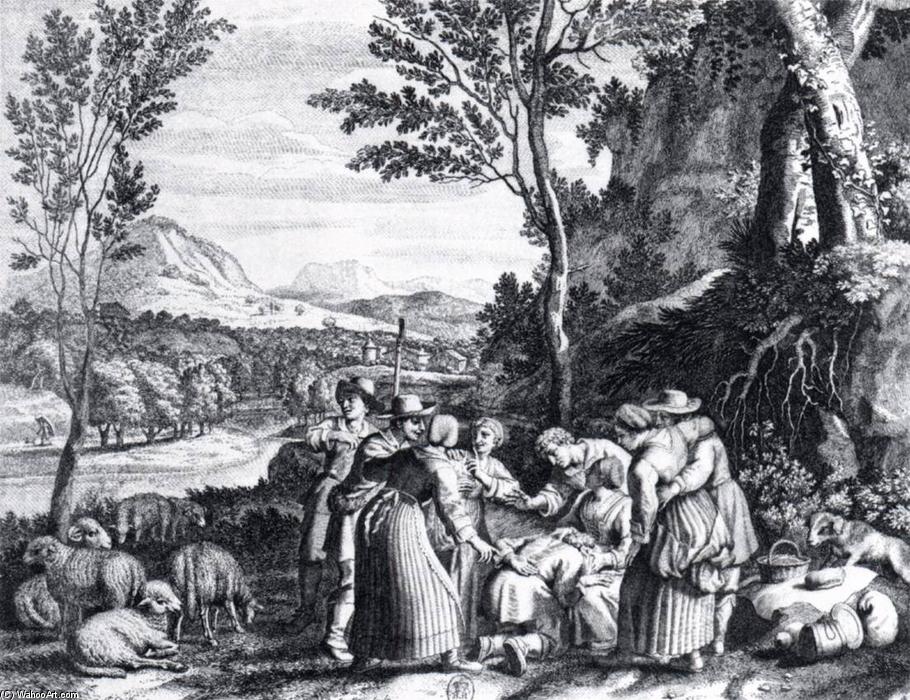
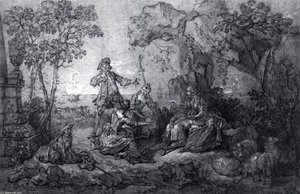
Hot Cockles (La Main Chaude)


 Read More
Purchase a high-resolution, enhanced digital image, far superior to the online preview.
Each file is meticulously prepared by our in-house specialists using advanced tools and expert manual retouching. We ensure every image has exceptional clarity, precise color accuracy, and fine detail.
The final file is delivered via email within 72 hours, optimized for immediate use in professional, editorial, and print environments. This is the same quality trusted by top-tier design studios, publishers, and galleries.
Digital Image
Download a high-resolution file for personal display, printing, and creative projects. ( Buy Print Buy Hand Made Painting)
Included in Every Digital Image Order
Expert Digital Delivery, Guaranteed
When you choose ArtsDot.com, you're not just getting an image - you're receiving a professionally enhanced digital artwork, crafted with precision and backed by a satisfaction guarantee. Here's everything that comes with your order, automatically:

Fast Email Delivery
Your high-resolution digital image file will be emailed to you within 72 hours of ordering - ready for immediate use.

AI-Enhanced Digital File
Your artwork is professionally optimized using advanced AI tools and manual editing, ensuring maximum detail, clarity, and color accuracy.

Free Lifetime Re-Delivery
Accidentally deleted or lost your file? No worries - we'll resend it to you anytime, free of charge.

No Import Fees - Ever
Enjoy your artwork instantly with zero customs, duties, or delivery fees - digital downloads are always tax-free.

Color Accuracy Guarantee
We ensure your digital image reflects the original colors as closely as possible using professional tools and color management.

60-Day Satisfaction Guarantee
If you're not satisfied with your digital image, we'll revise it or refund 100% within 60 days - no questions asked.

100% Money-Back Guarantee
Not satisfied? Get a full refund within 60 days of receiving your digital file - no questions asked.

Bulk Order Discounts
Buy 3 images, save 10% - Buy 5, save 15% - Buy 10+, save 20%. Great for creative projects, galleries, and agencies.
Related Artworks





Artist Biography
Rembrandt: The Master of Light and Shadow
Rembrandt Harmenszoon van Rijn, born in Leiden in 1606, stands as one of the most revered figures in Western art history – a titan of painting whose profound understanding of light, emotion, and human psychology continues to captivate audiences centuries after his death. Initially destined for a life of mercantile trade through his father’s profession, Rembrandt’s innate artistic talent led him towards the world of painting, a path he pursued with relentless dedication and an unwavering commitment to capturing the essence of his subjects. His journey began in Leiden, where he received a basic education before venturing into the bustling art scene of Amsterdam around 1631, a city that would become both his home and the crucible for his artistic evolution. Rembrandt’s early career was marked by a struggle for recognition amidst the competitive landscape of Dutch painting. He initially focused on historical scenes and portraits, diligently honing his skills under various masters before establishing himself as an independent artist. However, it was in the 1640s that Rembrandt truly began to forge his distinctive style – one characterized by dramatic contrasts of light and shadow (chiaroscuro), a profound exploration of human emotion, and a remarkable ability to convey psychological depth within his compositions. This period witnessed the emergence of some of his most iconic works, including “The Night Watch” (1642) and “The Anatomy Lesson of Dr. Nicolaes Tulp” (1632), both testaments to his innovative approach and masterful technique. A pivotal influence on Rembrandt’s artistic development was Marcus Gheeraerts the Younger, a Flemish artist who had settled in England and become a favored portraitist for the Tudor court. Rembrandt spent several formative years working under Gheeraerts, absorbing not only technical skills but also a refined aesthetic sensibility that emphasized elegance and detail – a stark contrast to the more raw and expressive style he would later develop. Gheeraerts’s work provided a foundation in formal composition and portraiture, while Rembrandt ultimately transcended these conventions to forge his own unique vision. The impact of Gheeraerts is particularly evident in early portraits like the “Ditchley” portrait of Elizabeth I (c. 1592), which showcases a meticulous attention to detail and a sense of regal dignity – though it’s clear that Rembrandt would soon move beyond such purely decorative representations. Rembrandt's artistic journey was deeply intertwined with the tumultuous political and religious climate of his time. The Dutch Republic, recently liberated from Spanish rule, faced ongoing challenges and social unrest. The rise of Calvinism, with its emphasis on simplicity and piety, created a challenging environment for artists who favored elaborate ornamentation and dramatic displays. Despite these pressures, Rembrandt continued to produce groundbreaking work, often exploring themes of faith, morality, and the human condition. His later works, particularly those produced in his studio after he lost his sight, are characterized by an intensely personal and introspective quality – a reflection of his own struggles with loss, aging, and mortality. The influence of Italian Renaissance masters, especially Caravaggio, played a significant role in shaping Rembrandt’s artistic style. Caravaggio's masterful use of chiaroscuro—the dramatic contrast between light and dark—inspired Rembrandt to employ similar techniques to heighten the emotional impact of his paintings. Rembrandt didn’t simply mimic Caravaggio; he adapted these principles to suit his own expressive vision, creating a uniquely powerful and evocative effect. He also studied the works of Titian and Veronese, absorbing their mastery of color and composition. Throughout his career, Rembrandt was a prolific painter, printmaker, and draughtsman. His artistic output spanned a wide range of subjects, including portraits, self-portraits (a particularly revealing series documenting his aging process), biblical scenes, mythological narratives, and genre paintings depicting everyday life. His ability to capture the nuances of human emotion—joy, sorrow, contemplation, and despair—is unparalleled in Western art. Rembrandt’s legacy extends far beyond his individual works; he fundamentally altered the course of painting by demonstrating the expressive potential of light and shadow and by prioritizing psychological realism over mere representation. He died in Amsterdam in 1669, leaving behind a vast and enduring body of work that continues to inspire artists and captivate viewers around the world.The Colourist Controversy
Rembrandt’s innovative approach to painting, particularly his bold use of color and light, sparked considerable debate during his lifetime. He was part of a movement known as the “colourists,” who challenged the established artistic conventions of the time, which prioritized drawing and linear precision. The "Quarrel of the Colourists" erupted in the early 1670s within the Royal Academy of Painting and Sculpture, pitting the proponents of drawing (led by figures like Philippe de Champaigne and Charles Le Brun) against those who championed color—represented by artists such as Gabriel Blanchard and Roger de Piles. The debate centered on the relative importance of line and colour in art appreciation; the “drawers” argued that a clear outline was essential for conveying meaning, while the “colourists,” including Rembrandt, believed that colour held greater expressive power. The Royal Academy’s decision to recognize Rembrandt as a member of the academy further fueled this controversy, highlighting his departure from traditional artistic norms. His work, characterized by its vibrant colors, loose brushstrokes, and emotional intensity, represented a radical shift away from the more restrained style favored by the established academic tradition. The debate ultimately served to highlight the evolving nature of artistic taste and the ongoing tension between innovation and convention in the art world.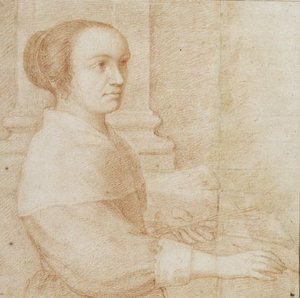
claudine bouzonnet stella
1636 - 1697 , France
Quick Facts
- Artistic Movement Or Style: Tudor portraiture
- Artists Or Movements Influenced By This Artist:
- Anthony van Dyck
- Charles de La Fosse
- Artists Who Influenced This Artist:
- Marcus Gheeraerts the Elder
- Poussin
- Titian
- Date Of Birth: 1561/1562
- Date Of Death: 1635/1636
- Full Name: Marcus Gheeraerts the Younger
- Nationality: Flemish
- Notable Artworks:
- Ditchley Portrait
- Elizabeth I
- Place Of Birth: Bruges, Belgium

