

 Preview
 Send
Send Share
Share
 Details

 Download
 Similars
 X-Ray
X-Ray Diaporama
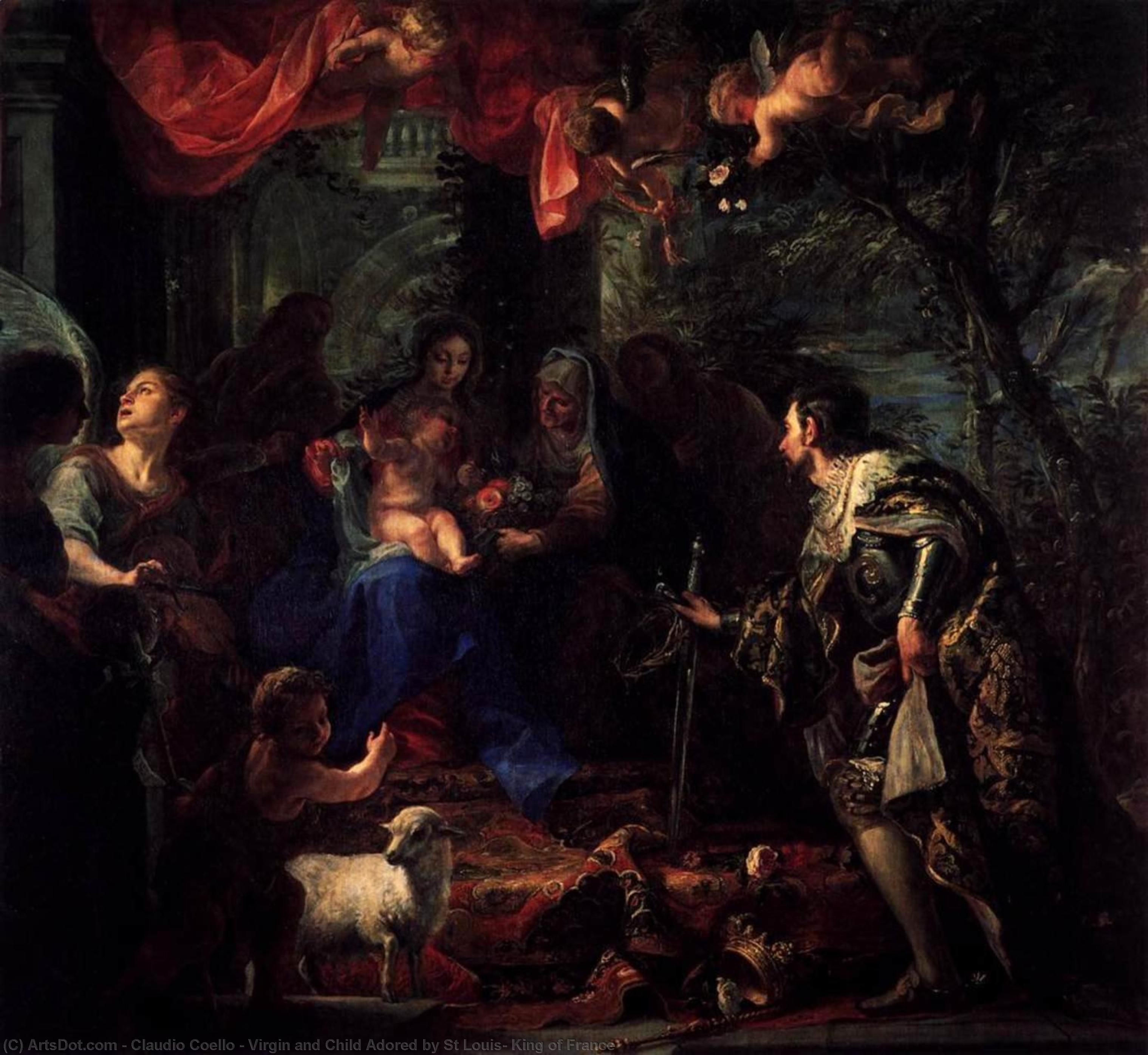
Virgin and Child Adored by St Louis, King of France
 Oil On Canvas
- WallArt
- Baroque Painting
 1665
1665 229.0 x 249.0 cm
 Museo del Prado
 Read More
Purchase a high-resolution, enhanced digital image, far superior to the online preview.
Each file is meticulously prepared by our in-house specialists using advanced tools and expert manual retouching. We ensure every image has exceptional clarity, precise color accuracy, and fine detail.
The final file is delivered via email within 72 hours, optimized for immediate use in professional, editorial, and print environments. This is the same quality trusted by top-tier design studios, publishers, and galleries.
Digital Image
Download a high-resolution file for personal display, printing, and creative projects. ( Buy Print Buy Hand Made Painting)
Included in Every Digital Image Order
Expert Digital Delivery, Guaranteed
When you choose ArtsDot.com, you're not just getting an image - you're receiving a professionally enhanced digital artwork, crafted with precision and backed by a satisfaction guarantee. Here's everything that comes with your order, automatically:

Fast Email Delivery
Your high-resolution digital image file will be emailed to you within 72 hours of ordering - ready for immediate use.

AI-Enhanced Digital File
Your artwork is professionally optimized using advanced AI tools and manual editing, ensuring maximum detail, clarity, and color accuracy.

Free Lifetime Re-Delivery
Accidentally deleted or lost your file? No worries - we'll resend it to you anytime, free of charge.

No Import Fees - Ever
Enjoy your artwork instantly with zero customs, duties, or delivery fees - digital downloads are always tax-free.

Color Accuracy Guarantee
We ensure your digital image reflects the original colors as closely as possible using professional tools and color management.

60-Day Satisfaction Guarantee
If you're not satisfied with your digital image, we'll revise it or refund 100% within 60 days - no questions asked.

100% Money-Back Guarantee
Not satisfied? Get a full refund within 60 days of receiving your digital file - no questions asked.

Bulk Order Discounts
Buy 3 images, save 10% - Buy 5, save 15% - Buy 10+, save 20%. Great for creative projects, galleries, and agencies.
The Virgin and Child Adored by St Louis – A Baroque Tapestry of Faith and Royal Grace
Claudio Coello’s “Virgin and Child Adored by St Louis, King of France,” painted in 1668, is more than a religious depiction; it's a meticulously crafted tableau vivant—a stage set for divine grace and royal piety. This monumental work, measuring an impressive 229 x 249 cm, resides within the Museo del Prado in Madrid, a testament to Coello’s mastery of the Spanish Baroque style and his profound understanding of visual storytelling. The painting immediately draws the eye with its opulent richness – deep reds, golds, and blues dominate the palette, creating an atmosphere of regal splendor and spiritual intensity.
At the heart of the composition lies the Virgin Mary, radiating serenity and maternal tenderness as she cradles the infant Jesus. Her pose is both dignified and approachable, a deliberate choice that emphasizes her role as the embodiment of compassion and humility. The baby Jesus, depicted with an almost ethereal quality, appears to be bathed in a soft light, drawing the viewer’s gaze towards his innocence and divine nature. Surrounding this central triad are figures rendered with remarkable detail – St. Louis, King of France, kneeling in adoration; angels hovering above, bestowing blessings; and a host of courtiers and attendants, each contributing to the painting's complex narrative.
A Masterclass in Baroque Technique
Coello’s skill as a painter is immediately evident in his masterful use of technique. He employs a highly polished surface finish, achieved through numerous layers of thin glazes—a hallmark of Spanish Baroque painting. This creates an illusion of depth and luminosity, making the figures appear almost tangible. The artist demonstrates a deep understanding of chiaroscuro – the dramatic interplay of light and shadow – to sculpt the forms and create a sense of volume. Notice particularly how the light falls upon Mary’s face and hands, highlighting her role as the central figure, while subtly receding into darkness around the other figures.
The composition itself is carefully orchestrated, employing principles of perspective and balance to guide the viewer's eye through the scene. The arrangement of figures creates a sense of movement and dynamism, drawing the viewer’s attention from one element to another. Coello’s meticulous attention to detail extends to every aspect of the painting – the folds of the drapery, the textures of the fabrics, and the expressions on the faces of the figures—all contribute to the overall effect of realism and grandeur.
Symbolism Woven into the Narrative
Beyond its aesthetic beauty, “Virgin and Child Adored by St Louis” is rich in symbolic meaning. The presence of St. Louis, a powerful monarch, underscores the painting’s theme of divine grace and royal piety. It suggests that faith and authority are not mutually exclusive but rather complementary aspects of human experience. The inclusion of angels symbolizes divine intervention and protection, while the sheep at the base of the composition represent innocence and vulnerability – qualities associated with both Mary and Jesus.
The setting itself—a richly decorated chamber filled with luxurious furnishings—further enhances the painting’s symbolic significance. It evokes a sense of earthly paradise, where God's grace is readily available to those who seek it. The chair positioned in the lower part of the image symbolizes royalty and power, while also suggesting a place of reverence and contemplation.
A Legacy of Baroque Splendor
Claudio Coello’s “Virgin and Child Adored by St Louis, King of France” stands as a pinnacle of Spanish Baroque art. Completed in 1668, it exemplifies the era's fascination with religious themes, dramatic composition, and opulent decoration. The painting reflects the artistic influences of Rubens, Titian, and Van Dyck, while also establishing Coello’s own distinctive style—characterized by its meticulous detail, luminous colors, and profound emotional depth. It remains a powerful testament to the enduring appeal of faith, royalty, and the transformative power of art.
This magnificent work offers a captivating glimpse into the heart of 17th-century Spanish culture and artistic achievement. Reproductions capture much of this grandeur, allowing viewers to appreciate Coello’s artistry in their own homes or spaces.
Related Artworks



Artist Biography
A Legacy in Light: The Life and Art of Claudio Coello
Claudio Coello, born in Madrid in 1642, stands as a pivotal figure bridging the High Baroque and the nascent Rococo styles in Spanish painting. Often hailed as the last great master of the 17th-century Spanish school, his career unfolded against a backdrop of shifting artistic tastes and political complexities. While many artists before him enjoyed widespread international renown, Coello’s significance lies not only in his technical prowess but also in his ability to capture the essence of a fading era—an age of courtly splendor and deeply held religious conviction.
Coello's lineage itself speaks volumes about the artistic currents that shaped his vision. His father, Faustino Coello, was a celebrated Portuguese sculptor, instilling within his son an early appreciation for form and craftsmanship. This foundation led him to the studio of Francisco Rizi, where he received formal training in drawing and painting. However, it was through a fortunate connection with Juan Carreño de Miranda that young Claudio gained access to the royal collections—a treasure trove of masterpieces by Titian, Rubens, and Van Dyck. These works proved transformative, igniting within him a passion for rich color palettes, dynamic compositions, and the nuanced portrayal of human character.
The Court Painter and Religious Devotion
Coello’s ascent was marked by a series of increasingly prestigious commissions. He initially garnered attention with altarpieces like that for San Plácido in Madrid, demonstrating an early mastery of Flemish and Venetian influences. His talent soon caught the eye of the Archbishop of Saragossa, leading to significant religious works within that region. Yet, it was his appointment as court painter to King Charles II in 1683 that truly cemented his reputation. This position afforded him unparalleled opportunities to depict the Spanish aristocracy, culminating in one of his most ambitious projects: the immense altarpiece for the sacristy of El Escorial.
The *Adoration of the Miraculous Host* at El Escorial is a testament to Coello’s skill and ambition. Spanning seven years of meticulous work, this monumental composition features over fifty portraits—a veritable who's who of Spanish royalty and prominent courtiers. More than just a display of portraiture, it’s a carefully constructed narrative imbued with religious fervor and symbolic weight. The painting seamlessly blends the sacred and the secular, reflecting the deeply intertwined nature of faith and power in 17th-century Spain. Coello's ability to capture not only likeness but also personality—the subtle nuances of expression and posture—elevates this work beyond mere representation.
Influences and Artistic Development
Coello’s style wasn’t born in isolation; it was a synthesis of diverse influences, skillfully adapted to his own unique vision. The dramatic chiaroscuro of Caravaggio resonated within his compositions, lending them a sense of theatrical intensity. However, he tempered this with the vibrant colorism and fluid brushwork characteristic of Venetian masters like Titian and Veronese. The elegance and refined portraiture of Anthony van Dyck also left an indelible mark on his work, particularly evident in his depictions of Charles II.
While deeply indebted to these predecessors, Coello wasn’t merely a copyist. He developed a distinctive approach characterized by bold compositions, meticulous detail, and a masterful use of light to create atmosphere and emotional impact. His frescoes, though many were tragically lost, reveal a penchant for *trompe l'oeil* effects—illusionistic architectural elements that expanded the perceived space of his paintings. He also possessed a remarkable ability to convey texture and materiality, bringing a tangible realism to fabrics, jewels, and skin tones.
A Disheartening Finale and Enduring Legacy
Despite his considerable talent and royal patronage, Coello’s later years were tinged with disappointment. The arrival of Luca Giordano in Spain in 1692 marked a turning point—the Italian painter's more flamboyant style quickly gained favor at court, overshadowing Coello’s refined approach. The commission for the grand staircase at El Escorial was awarded to Giordano, a decision that deeply mortified Coello and is often cited as a contributing factor to his untimely death in 1693.
However, Coello's legacy endures. He remains celebrated as one of the last great Spanish painters of the 17th century, bridging the gap between the Baroque grandeur of Velázquez and the emerging Rococo sensibilities. His works—found in museums like the Museo del Prado and Pembroke College Oxford—continue to captivate viewers with their technical brilliance, emotional depth, and evocative portrayal of a bygone era. His influence can be traced in the work of later Spanish artists, solidifying his place as a pivotal figure in the history of Spanish art.
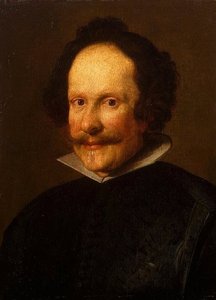
claudio coello
1642 - 1693 , Spain
Quick Facts
- Artistic Movement Or Style: Baroque painting
- Artists Or Movements Influenced By This Artist: ['Later Spanish painters']
- Artists Who Influenced This Artist:
- Diego Velázquez
- Peter Paul Rubens
- Titian
- Juan Carreño de Miranda
- Date Of Birth: March 2, 1642
- Date Of Death: April 20, 1693
- Full Name: Claudio Coello
- Nationality: Spanish-Portuguese
- Notable Artworks:
- Adoration of the Host
- Portrait of Charles II
- Place Of Birth: Madrid, Spain

