

 Preview
 Send
Send Share
Share
 Details

 Download
 Similars
 X-Ray
X-Ray Diaporama
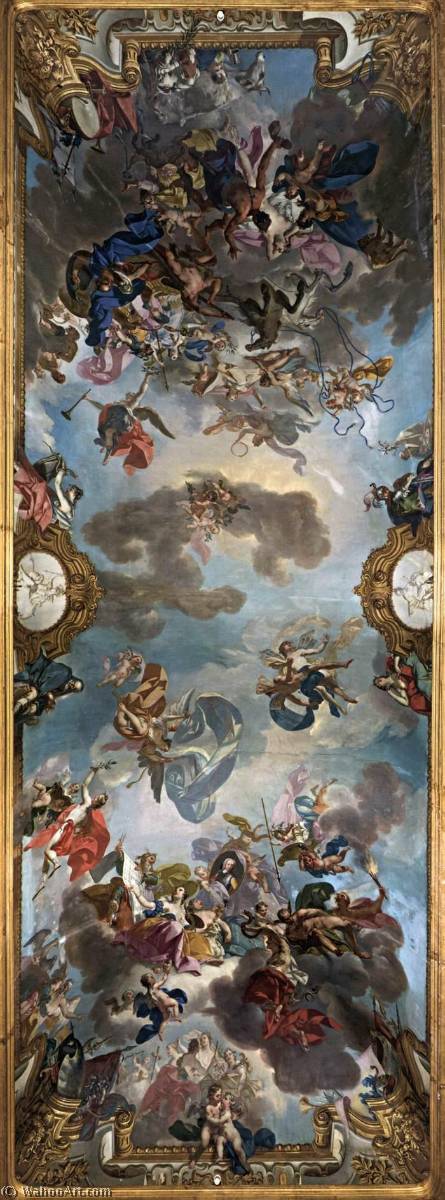
The Triumph of Peace

 Read More
Purchase a high-resolution, enhanced digital image, far superior to the online preview.
Each file is meticulously prepared by our in-house specialists using advanced tools and expert manual retouching. We ensure every image has exceptional clarity, precise color accuracy, and fine detail.
The final file is delivered via email within 72 hours, optimized for immediate use in professional, editorial, and print environments. This is the same quality trusted by top-tier design studios, publishers, and galleries.
Digital Image
Download a high-resolution file for personal display, printing, and creative projects. ( Buy Print Buy Hand Made Painting)
Included in Every Digital Image Order
Expert Digital Delivery, Guaranteed
When you choose ArtsDot.com, you're not just getting an image - you're receiving a professionally enhanced digital artwork, crafted with precision and backed by a satisfaction guarantee. Here's everything that comes with your order, automatically:

Fast Email Delivery
Your high-resolution digital image file will be emailed to you within 72 hours of ordering - ready for immediate use.

AI-Enhanced Digital File
Your artwork is professionally optimized using advanced AI tools and manual editing, ensuring maximum detail, clarity, and color accuracy.

Free Lifetime Re-Delivery
Accidentally deleted or lost your file? No worries - we'll resend it to you anytime, free of charge.

No Import Fees - Ever
Enjoy your artwork instantly with zero customs, duties, or delivery fees - digital downloads are always tax-free.

Color Accuracy Guarantee
We ensure your digital image reflects the original colors as closely as possible using professional tools and color management.

60-Day Satisfaction Guarantee
If you're not satisfied with your digital image, we'll revise it or refund 100% within 60 days - no questions asked.

100% Money-Back Guarantee
Not satisfied? Get a full refund within 60 days of receiving your digital file - no questions asked.

Bulk Order Discounts
Buy 3 images, save 10% - Buy 5, save 15% - Buy 10+, save 20%. Great for creative projects, galleries, and agencies.
Related Artworks








Artist Biography
Claudio Francesco Beaumont: A Piedmontese Master of the Baroque and Rococo
Claudio Francesco Beaumont (1694-1766) stands as a pivotal figure in the artistic landscape of 18th-century Italy, particularly within the region of Piedmont. Born in Turin, he emerged from a period of significant artistic transition, skillfully blending the grandeur of Baroque traditions with the burgeoning elegance of Rococo style. His career, spanning nearly seven decades, witnessed him evolve from a promising young apprentice to a court painter of considerable renown, leaving behind a legacy of richly adorned interiors and evocative allegorical scenes that continue to captivate art historians today.
Beaumont’s early life remains somewhat shrouded in mystery, though records indicate a rigorous education focused on grammar, rhetoric, architecture, and mathematics – disciplines deemed essential for aspiring artists of the era. He began his artistic training within the confines of a Jesuit school, an institution that instilled in him a strong foundation in classical principles while simultaneously exposing him to the prevailing artistic currents of the time. A formative journey to Bologna in 1716 proved particularly influential, where he immersed himself in the works of Carlo Cignani, a prominent Bolognese painter known for his dramatic compositions and vibrant color palettes. This exposure marked a crucial step in Beaumont’s development, shaping his approach to painting and introducing him to techniques that would later define his distinctive style.
Rome: Apprenticeship and Early Influences
Beaumont's relocation to Rome in 1719 proved to be a period of intense artistic exploration. He enrolled under the tutelage of Francesco Trevisani, a master painter who served as a significant mentor, imparting his knowledge of composition, color theory, and technique. Trevisani’s influence is particularly evident in Beaumont's later works, characterized by their vigorous brushwork and rich, layered colors. Beyond Trevisani, Beaumont sought inspiration from the masters of the past – Raphael, the Carracci, and Guido Reni – meticulously studying their techniques and compositions. However, he wasn’t simply a diligent copyist; he possessed a critical eye, subtly adapting these influences to forge his own unique artistic voice.
His time in Rome was also marked by patronage from the Savoy monarchy, securing him commissions for projects within Turin. Notably, he undertook the decoration of the Royal Palace, including a stunning ceiling fresco depicting the Aurora, showcasing his burgeoning skills and establishing his reputation as a court painter. The King’s support provided Beaumont with invaluable opportunities to hone his craft and gain recognition within Piedmontese artistic circles.
Piedmontese Commissions and Court Service
Beaumont's career truly flourished in Piedmont, where he received numerous commissions from noble families and the royal court. He adorned castles such as Rivoli and the Royal Palace with grand allegorical scenes, religious depictions, and portraits – each piece reflecting his growing mastery of technique and his ability to capture the spirit of the age. His work for the castle of Rivoli, featuring St. John the Baptist and St. Peter, exemplifies this period, demonstrating a skillful balance between classical influences and Baroque dynamism.
In 1724, he was recommended by Wleughels, director of the French Academy in Rome, to King Carlo Emanuele III, further solidifying his position within the court. He was admitted to the Accademia di San Luca in Rome in 1725, a prestigious artistic institution that recognized his talent and commitment. The appointment as court painter in 1731 marked a significant milestone, elevating Beaumont to a position of considerable influence and affording him access to the most important commissions within Piedmont.
Style and Legacy
Beaumont’s style is characterized by its vibrant colors, dynamic compositions, and skillful use of light and shadow. He drew heavily on the traditions of Baroque painting while incorporating elements of Rococo elegance, creating a distinctive visual language that resonated with his patrons and contemporaries. His works often feature allegorical themes – representations of abstract concepts such as virtue, justice, and faith – rendered with meticulous detail and dramatic flair. While he admired Trevisani’s manner, Beaumont developed a unique approach, imbuing his paintings with a fervent energy and a palpable sense of movement.
Despite facing illness in 1727, Beaumont continued to produce significant works throughout his career, including the *Blessed Margaret* and *San Carlo Borromeo Meets Plague Victims*, destined for Superga. His final major commission, the altarpiece depicting Blessed Amedeo, completed in 1769, stands as a testament to his enduring artistic skill and remains a prized possession within Turin’s Carmine Church. Claudio Francesco Beaumont's legacy endures not only through his impressive body of work but also as a key figure in shaping the artistic identity of Piedmont during the 18th century.
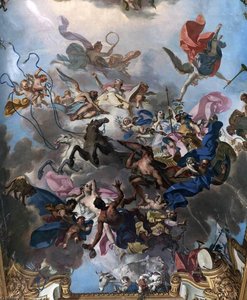
claudio francesco beaumont
1694 - 1766
Quick Facts
- Artistic Movement Or Style: Baroque & Rococo
- Artists Or Movements Influenced By This Artist:
- Raphael
- Caracci
- Guido Reni
- Artists Who Influenced This Artist: ['Francesco Trevisani']
- Date Of Birth: 1694
- Date Of Death: 1766
- Full Name: Claudio Francesco Beaumont
- Nationality: Italian
- Notable Artworks:
- Aurora (ceiling)
- St. John Battista
- St. Pietro
- Blessed Margaret
- Place Of Birth: Turin, Italy

