 Preview
 Send
Send Share
Share
 Details

 Download
 Similars
 X-Ray
X-Ray Diaporama
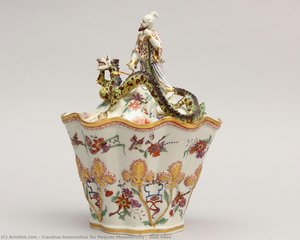
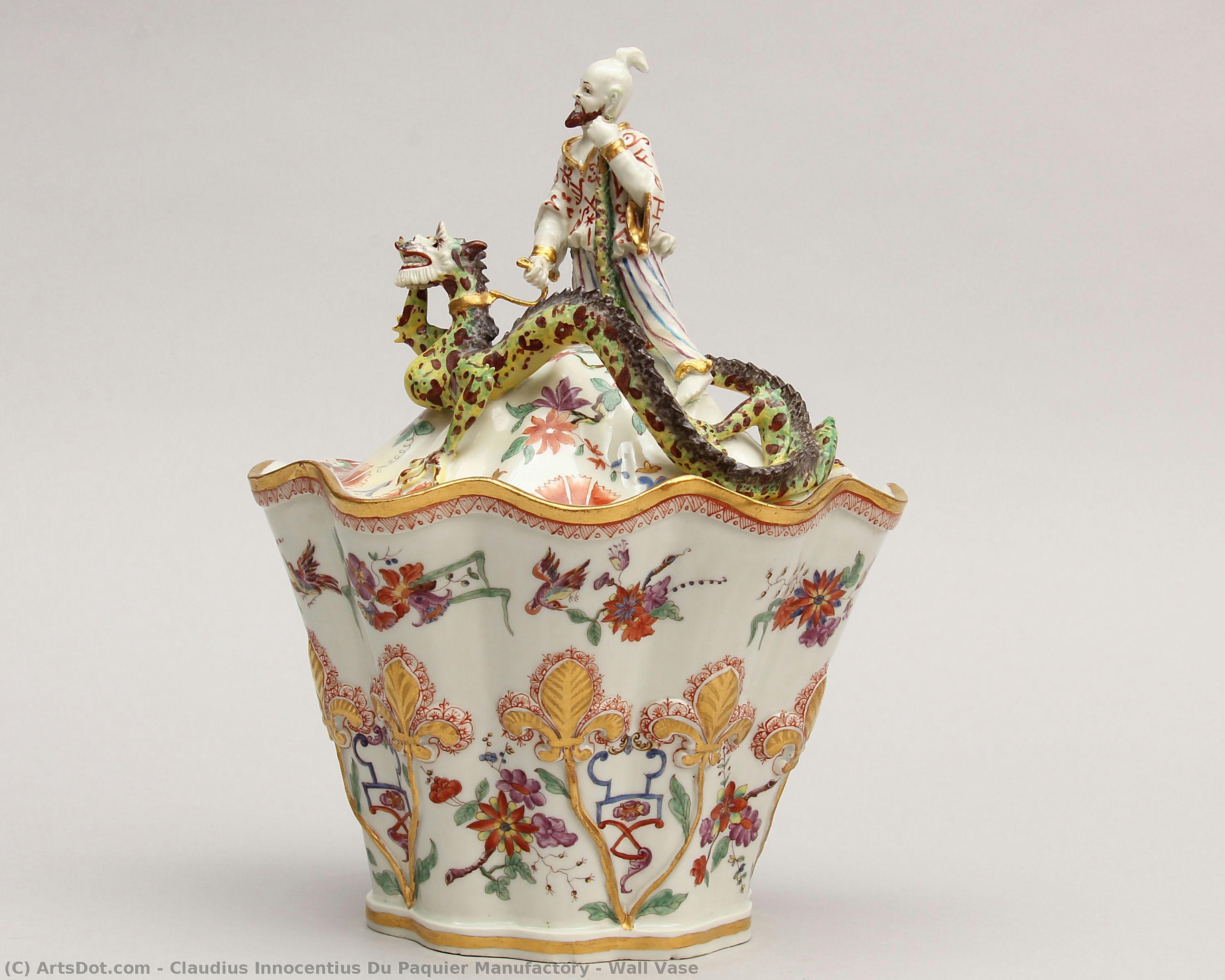
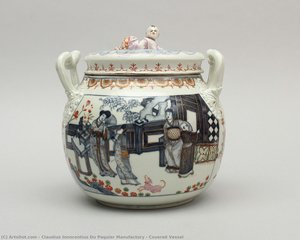
Wall Vase
 1730
1730 14.0 x 18.0 cm
 Gardiner Museum of Ceramic Art
 Read More
Giclée / Art Print
Museum-quality giclée or canvas print with fast production and flexible finish options. ( Buy Hand Made Painting Buy Image)




































Pick from our preset sizes that match the artwork's original proportions.

You may enter your own dimensions to fit a specific frame or space. If your selected size does not match the original image's proportions, we will either crop the artwork or extend the image with a mirrored or solid-fill edge. A digital mockup will be sent for your approval before production begins.
Please note that the on-screen preview does not reflect the actual cropping or extension. Only the mockup will accurately show the final composition.
While custom sizes are available, we recommend selecting a dimension from the predefined list to preserve the original proportions.
Worldwide Delivery () in 2 weeks instead of standard 4/5 weeks. (21 August)

Free Worldwide Express Shipping

High-Quality Linen Canvas

Full Shipping Insurance

Customs Tax Refund Guarantee

True Color Matching Guarantee

60-Day Return Policy (Defects Only)

100% Money-Back Guarantee

Bulk Discount Offer
 Glass option is only available in size under 110 CM

Wall Vase
Giclée / Art Print
Reproduction Size
-


Total Price
$ 63
Collectible Description
Related Artworks
Artist Biography
Claudius Innocentius du Paquier: Pioneer of Viennese Porcelain
Claudius Innocentius du Paquier (d. 1751) stands as a pivotal figure in European ceramic history, recognized primarily for establishing the Du Paquier Manufactory – Austria’s second porcelain factory and arguably its most influential after Meissen.
Born in Amsterdam around 1689, du Paquier possessed an entrepreneurial spirit that propelled him to Vienna in 1718. Armed with a royal charter granting him a monopoly over porcelain production within Habsburg territories for twenty-five years—a considerable advantage at the time—he embarked on a bold endeavor. Recognizing the prestige and desirability of Asian porcelain, particularly Qing dynasty white ware, du Paquier sought to replicate its exquisite beauty and technical sophistication in Austria.
His vision wasn’t merely commercial; it was rooted in a deep appreciation for craftsmanship and artistic innovation. Du Paquier recruited skilled artisans from Meissen—the undisputed leader in porcelain production—bringing German expertise to Vienna. This collaboration proved crucial, fostering the adoption of advanced firing techniques and shaping the distinctive Viennese porcelain style.
The Du Paquier Manufactory quickly gained renown for its elegant designs inspired by Rococo aesthetics – floral motifs, pastel hues, and graceful curves reflecting the opulent tastes of the Habsburg court. However, du Paquier’s legacy extends beyond mere stylistic imitation. He championed meticulous quality control, utilizing imported kaolin clay from Stoke-on-Trent—a breakthrough that dramatically improved the consistency and brilliance of Viennese porcelain.
The manufactory flourished throughout the reigns of Empress Maria Theresa and Joseph II, becoming a cornerstone of Austrian imperial grandeur. Its porcelain graced royal palaces and adorned ceremonial tableware, symbolizing Austria’s cultural prowess on the European stage. Furthermore, Du Paquier's insistence on employing apprenticeships ensured that Viennese ceramic traditions endured for generations.
Though formally dissolved in 1864 due to economic pressures, the Du Paquier Manufactory’s influence persists today. The Augarten Porcelain Manufactory—established in 1923 as a revival of the original—continues to honor du Paquier's pioneering spirit and uphold Vienna’s heritage as a center for exceptional porcelain artistry.
- Key Achievements: Establishment of Austria’s second porcelain factory; Adoption of kaolin clay; Development of Viennese Rococo porcelain style; Patronage by Habsburg monarchs; Preservation of ceramic craftsmanship traditions.
claudius innocentius du paquier manufactory
1718 - , Austria
Quick Facts
- Artistic Movement Or Style: Hard-paste porcelain
- Artists Or Movements Influenced By This Artist: ['European Porcelain Art']
- Artists Who Influenced This Artist: ['Meissen']
- Date Of Death: 1751
- Full Name: Claudius Innocentius du Paquier
- Nationality: Dutch
- Notable Artworks: ['']
- Place Of Birth: Vienna, Austria