 Preview
 Send
Send Share
Share
 Details

 Download
 Similars
 X-Ray
X-Ray Diaporama
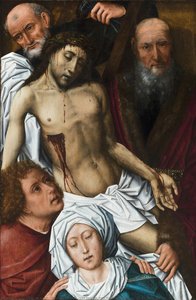
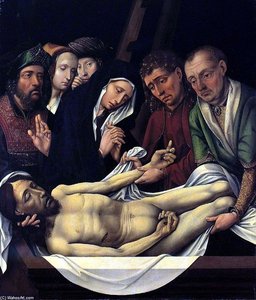
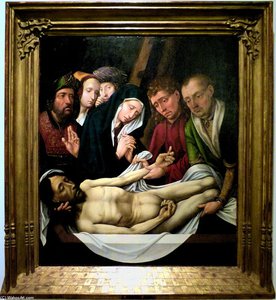
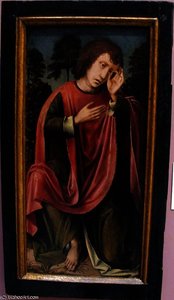
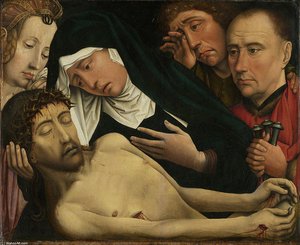
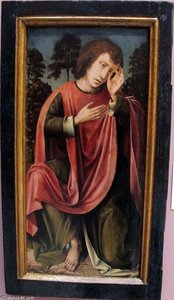
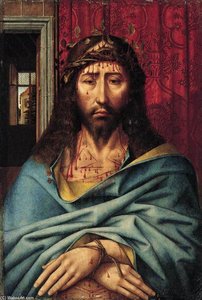
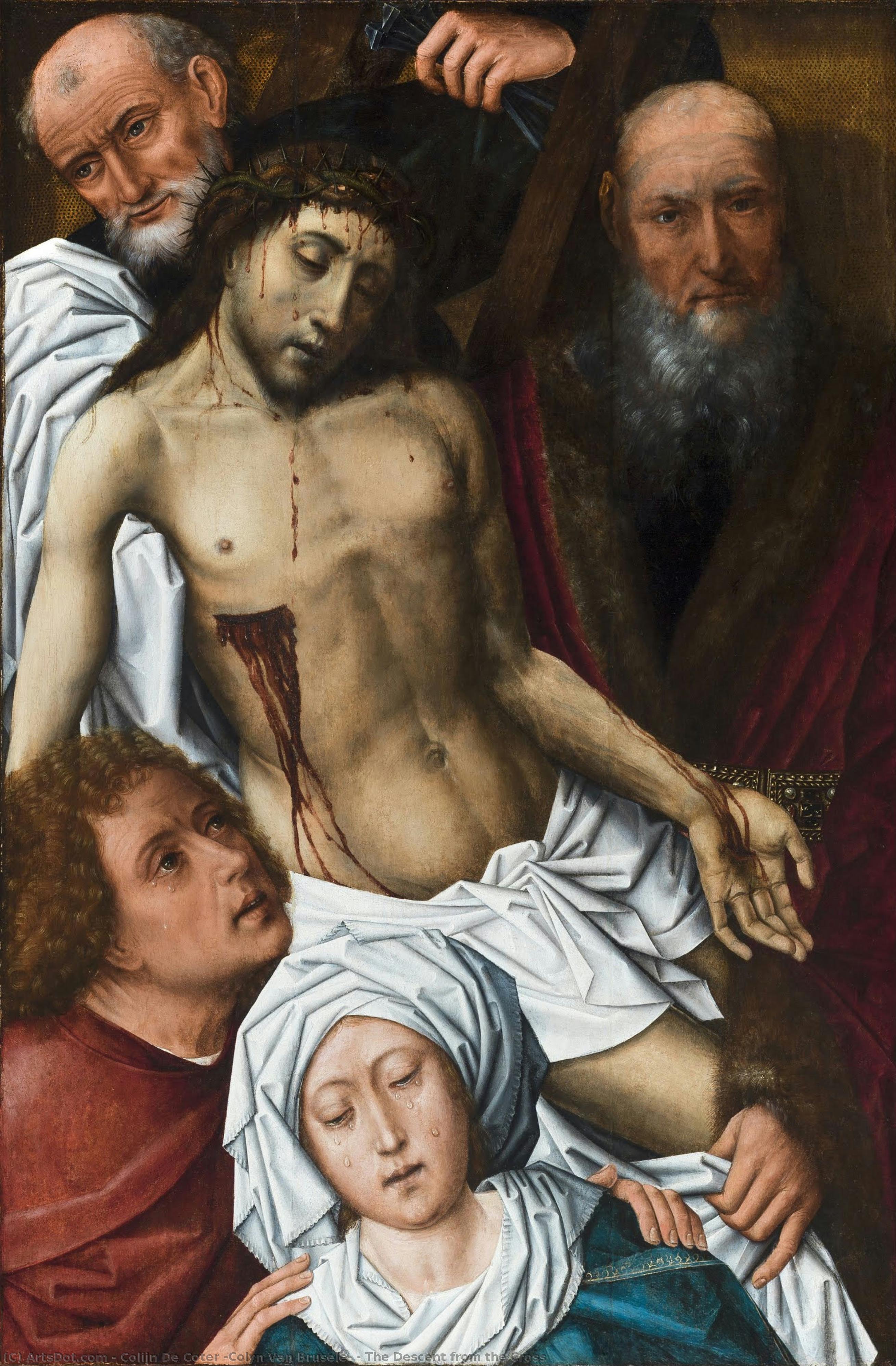
The Descent from the Cross

 Read More
Giclée / Art Print
Museum-quality giclée or canvas print with fast production and flexible finish options. ( Buy Hand Made Painting Buy Image)




































Pick from our preset sizes that match the artwork's original proportions.

You may enter your own dimensions to fit a specific frame or space. If your selected size does not match the original image's proportions, we will either crop the artwork or extend the image with a mirrored or solid-fill edge. A digital mockup will be sent for your approval before production begins.
Please note that the on-screen preview does not reflect the actual cropping or extension. Only the mockup will accurately show the final composition.
While custom sizes are available, we recommend selecting a dimension from the predefined list to preserve the original proportions.
Worldwide Delivery () in 2 weeks instead of standard 4/5 weeks. (23 August)

Free Worldwide Express Shipping

High-Quality Linen Canvas

Full Shipping Insurance

Customs Tax Refund Guarantee

True Color Matching Guarantee

60-Day Return Policy (Defects Only)

100% Money-Back Guarantee

Bulk Discount Offer
 Glass option is only available in size under 110 CM

The Descent from the Cross
Giclée / Art Print
Reproduction Size
-


Total Price
$ 63
Related Artworks





Artist Biography
A Master of the Flemish Soul: The Life and Legacy of Colijn de Coter
In the vibrant, bustling heart of the late fifteenth-century Low Countries, a period defined by profound spiritual devotion and burgeoning artistic innovation, the name Colijn de Coter emerged as a beacon of dramatic mastery. Often referred to in historical records as Colijn van Brusele, or Colijn of Brussels, this Flemish painter did not merely capture scenes from scripture; he breathed life into them through a unique lens of emotional intensity and monumental scale. Operating primarily within the influential artistic hubs of Brussels and Antwerp, de Coter navigated a landscape where the meticulous realism of the Early Netherlandish tradition met a new, burgeoning desire for theatricality and movement. His work serves as a vital bridge between the quiet, meditative stillness of his predecessors and the more dynamic, expressive energy that would characterize the Northern Renaissance.
The biographical threads of de Coter’s life are woven through the archival records of guilds and church contracts, offering glimpses into a career defined by prestige and widespread recognition. While the exact dates of his birth remain subject to scholarly debate—with estimates ranging from 1440 to 1450—his presence in the artistic annals of Brussels is undeniable. He was a man deeply embedded in the civic and religious fabric of his time, evidenced by his registration with the prestigious Guild of Saint Luke in Antwerp. This affiliation allowed him to undertake significant commissions, such as decorating the vaults of the Cathedral of Our Lady in Antwerp, a feat that solidified his standing among the elite craftsmen of the region. His ability to secure work for both powerful confraternities and local churches speaks to a reputation built on technical excellence and a profound understanding of liturgical needs.
The Alchemy of Light and Emotion
To encounter a painting by Colijn de Coter is to enter a world where light acts as a divine protagonist. Drawing from the foundational techniques of the great masters, such as the luminous glazing methods associated with the school of Jan van Eyck, de Coter developed a style that utilized chiaroscuro-like effects long before the term became synonymous with the Italian Baroque. He possessed an uncanny ability to manipulate light to direct the viewer's eye toward the most poignant moments of a narrative. In his celebrated altarpieces, shadows are not merely absences of light but are heavy, textured spaces that heighten the sense of mystery and gravity surrounding sacred events.
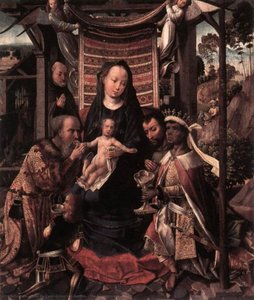
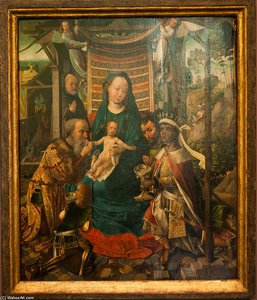
His compositions are characterized by a certain rhythmic grandeur. Unlike some of his contemporaries who favored static, icon-like arrangements, de Coter embraced dynamic poses and sweeping gestures. This is particularly evident in his treatment of biblical figures, where the physical weight of a body or the dramatic fold of a heavy velvet robe contributes to the overall sense of pathos. His works, such as The Adoration of the Magi or The Descent from the Cross, are not merely instructional religious tools; they are immersive emotional experiences designed to provoke empathy and awe in the faithful. Through his use of bold color palettes—rich crimsons, deep ultramarines, and earthy ochres—he created a visual language that was as much about feeling as it was about sight.
A Lasting Impression on Northern Renaissance Art
The historical significance of Colijn de Coter lies in his role as an innovator who respected tradition while pushing its boundaries. He took the meticulous, almost microscopic realism inherited from the Flemish masters and infused it with a sense of monumental drama that anticipated the shifts in European art. His workshop likely served as a crucial site of artistic transmission, influencing subsequent generations of painters working in the Southern Netherlands. By blending the delicate textures of the Early Netherlandish style with a more robust, expressive approach to composition, he helped shape the visual identity of the Burgundian and early Habsburg territories.
Today, the legacy of de Coter survives through the enduring power of his surviving panels and altarpieces. These works remain testament to a period of immense cultural flourishing, where art was the primary medium for exploring the intersection of the human and the divine. His ability to translate complex theological concepts into palpable, human emotions ensures that his name remains etched in the history of the Northern Renaissance, reminding us of a time when every brushstroke was an act of devotion and every shadow held a story.
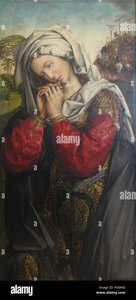
colijn de coter (colyn van brusele)
1450 - 1522 , Belgium
Quick Facts
- Artistic Movement Or Style: Early Netherlandish Painting
- Artists Or Movements Influenced By This Artist: ['Renaissance Art']
- Artists Who Influenced This Artist:
- Jan van Eyck
- Rogier van der Weyden
- Date Of Birth: c. 1440
- Date Of Death: c. 1522–1532
- Full Name: Colijn de Coter (Colyn van Brusele)
- Nationality: Flemish
- Notable Artworks:
- The Adoration of the Magi
- The Descent from the Cross
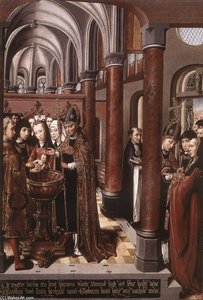
- Baptism Of St Libertus
- Place Of Birth: Brussels, Belgium