

 Preview
 Send
Send Share
Share
 Details

 Download
 Similars
 X-Ray
X-Ray Diaporama
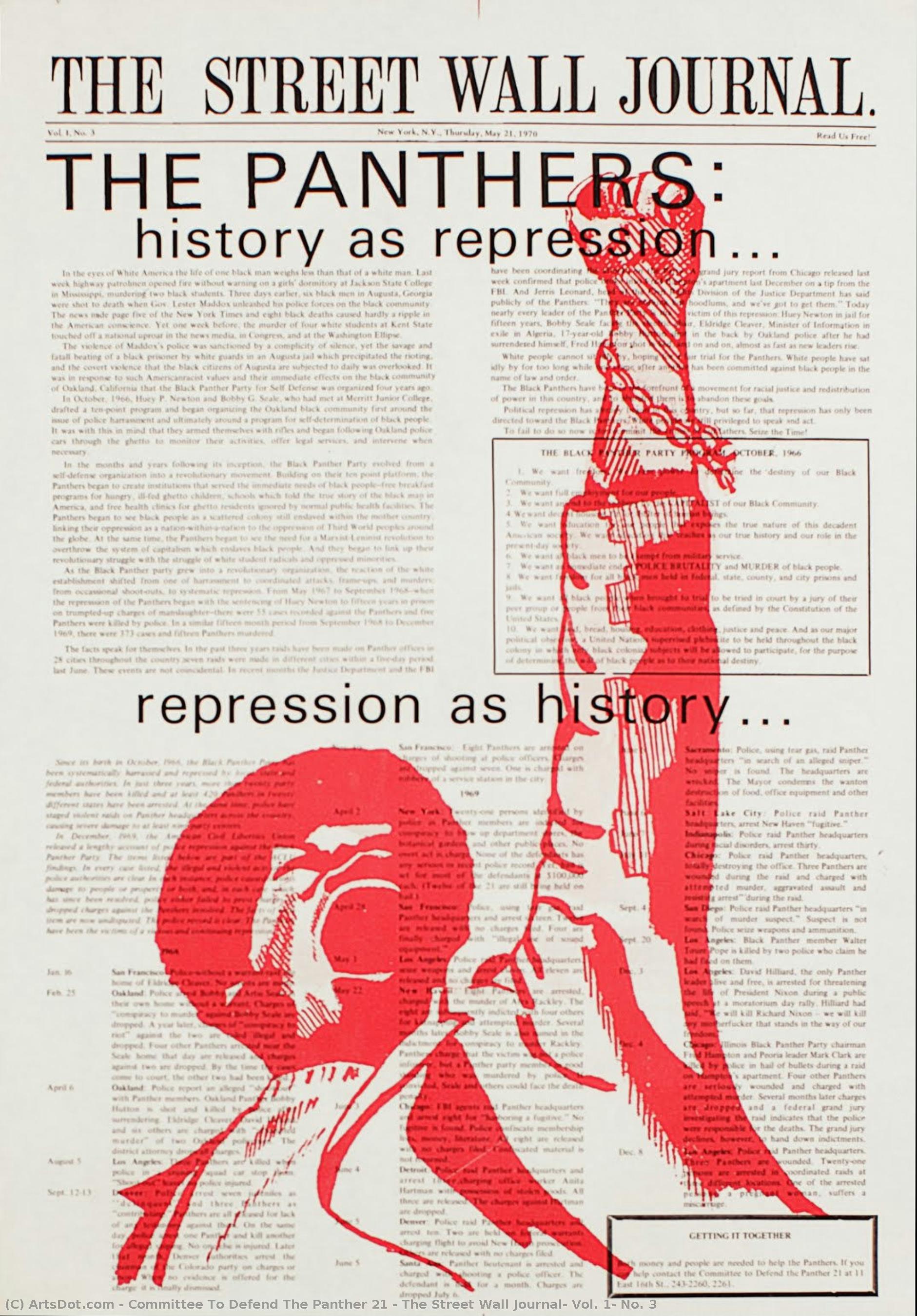
The Street Wall Journal, Vol. 1, No. 3
 Read More
Purchase a high-resolution, enhanced digital image, far superior to the online preview.
Each file is meticulously prepared by our in-house specialists using advanced tools and expert manual retouching. We ensure every image has exceptional clarity, precise color accuracy, and fine detail.
The final file is delivered via email within 72 hours, optimized for immediate use in professional, editorial, and print environments. This is the same quality trusted by top-tier design studios, publishers, and galleries.
Digital Image
Download a high-resolution file for personal display, printing, and creative projects. ( Buy Print Buy Hand Made Painting)
Included in Every Digital Image Order
Expert Digital Delivery, Guaranteed
When you choose ArtsDot.com, you're not just getting an image - you're receiving a professionally enhanced digital artwork, crafted with precision and backed by a satisfaction guarantee. Here's everything that comes with your order, automatically:

Fast Email Delivery
Your high-resolution digital image file will be emailed to you within 72 hours of ordering - ready for immediate use.

AI-Enhanced Digital File
Your artwork is professionally optimized using advanced AI tools and manual editing, ensuring maximum detail, clarity, and color accuracy.

Free Lifetime Re-Delivery
Accidentally deleted or lost your file? No worries - we'll resend it to you anytime, free of charge.

No Import Fees - Ever
Enjoy your artwork instantly with zero customs, duties, or delivery fees - digital downloads are always tax-free.

Color Accuracy Guarantee
We ensure your digital image reflects the original colors as closely as possible using professional tools and color management.

60-Day Satisfaction Guarantee
If you're not satisfied with your digital image, we'll revise it or refund 100% within 60 days - no questions asked.

100% Money-Back Guarantee
Not satisfied? Get a full refund within 60 days of receiving your digital file - no questions asked.

Bulk Order Discounts
Buy 3 images, save 10% - Buy 5, save 15% - Buy 10+, save 20%. Great for creative projects, galleries, and agencies.
Related Artworks








Artist Biography
The Legacy of Committee to Defend the Panther 21: Art as Resistance
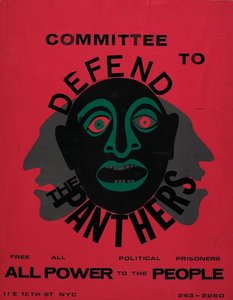
The Committee to Defend the Panther 21 (CDP21) isn’t simply a group remembered for its legal battle; it's an artistic legacy, meticulously documented through powerful visual representations that continue to resonate today. Born from the fiery activism of the Black Panther Party in New York City during the late 1960s, CDP21 emerged as a vital support network and a potent voice against police corruption and systemic injustice. Their story is inextricably linked to the art they produced – primarily through the “Street Wall Journal” – a publication that served not only as a legal defense tool but also as a direct challenge to the established narrative surrounding the Panther 21 case.
The group’s formation in January 1970 was driven by a desperate need to raise funds for the legal defense of twenty-one Black Panthers arrested on April 2, 1969, following a pre-dawn raid. These men and women – figures like Sundiata Acoli, Kuwasi Balagoon, Joan Bird, and Lumumba Shakur – were charged with conspiracy to commit bombings and other violent acts, accusations that ultimately crumbled due to prosecutorial misconduct and the revelation of undercover police agents manipulating the case. The initial charges were staggering: over 200 counts of conspiracy, targeting everything from police stations to department stores, reflecting a deep-seated frustration with the perceived brutality and corruption within the New York City Police Department.
What distinguishes CDP21’s artistic output is its raw immediacy. The “Street Wall Journal” wasn't a polished publication; it was a testament to grassroots resistance, printed on repurposed materials and distributed primarily amongst students at Columbia University – a deliberate act of subversion aimed at reaching a wider audience and fostering critical engagement with the case. The artwork within these journals—often simple black-and-white photographs, hand-drawn illustrations, and bold text—served as visual anchors for the complex legal proceedings and the broader struggle against racial injustice. These images weren’t intended to be aesthetically refined; they were conduits of information, rallying cries for support, and defiant statements against a system perceived as rigged.
The Art of Resistance: Visualizing Activism
The visual language employed by CDP21 is deeply rooted in the aesthetics of Black Power movements. The imagery draws heavily from Pan-Africanism, incorporating symbols of strength, resilience, and cultural pride. The use of stark black and white photography—a deliberate choice to avoid the distractions of color—underscores the seriousness of the situation and emphasizes the documentary nature of their work. There’s a palpable sense of urgency in the compositions, reflecting the precariousness of their legal battle and the constant threat of police surveillance.
Furthermore, the “Street Wall Journal” functioned as a form of street art, directly challenging the official narrative disseminated by the media and law enforcement. The journal’s distribution on campus at Columbia University was a strategic move—placing information within a space of intellectual discourse and encouraging critical analysis. The very act of creating and distributing this publication represented an assertion of agency in the face of state repression.
Influences and Context
CDP21’s artistic output wasn't born in a vacuum. It was profoundly influenced by several key movements and figures of the era. The Black Panther Party itself, with its commitment to self-determination and community empowerment, provided the ideological foundation for CDP21’s work. The writings of Malcolm X, Frantz Fanon, and other radical thinkers on issues of colonialism, racism, and social justice informed their perspective. Moreover, the burgeoning street art movement in New York City—with artists like Jean-Michel Basquiat and Keith Haring—provided a visual vocabulary for expressing dissent and challenging authority.
Crucially, CDP21’s work reflects the broader context of the 1960s – a period marked by civil rights struggles, anti-war protests, and growing unrest against systemic inequality. The legal battle surrounding the Panther 21 case became emblematic of these larger struggles, highlighting the lengths to which authorities would go to suppress dissent and maintain control.
A Lasting Legacy
Despite being acquitted in 1971, the story of CDP21 remains a powerful reminder of the importance of grassroots activism and artistic resistance. The “Street Wall Journal” serves as a valuable historical document, offering insights into the strategies employed by activists to raise awareness, mobilize support, and challenge injustice. The artwork produced by CDP21—often overlooked in mainstream art history—deserves greater recognition for its role in documenting a pivotal moment in American social and political history.
Today, ArtsDot.com continues to offer meticulously hand-painted reproductions of the “Street Wall Journal” artwork, ensuring that the voices and visual testimonies of CDP21 are preserved and shared with a wider audience. These reproductions serve not only as beautiful objects but also as tangible reminders of the ongoing struggle for justice and equality.
committee to defend the panther 21
1970 - , United States of America
Quick Facts
- Artistic Movement Or Style: Political Protest Art
- Artists Or Movements Influenced By This Artist: ['Civil Rights Movement']
- Artists Who Influenced This Artist: ['Black Panther Party']
- Date Of Birth: 1970
- Full Name: Committee to Defend the Panther 21
- Nationality: American
- Notable Artworks: ['Street Wall Journal Vol. 1']
- Place Of Birth: New York City, USA

