

 Preview
 Send
Send Share
Share
 Details

 Download
 Similars
 X-Ray
X-Ray Diaporama
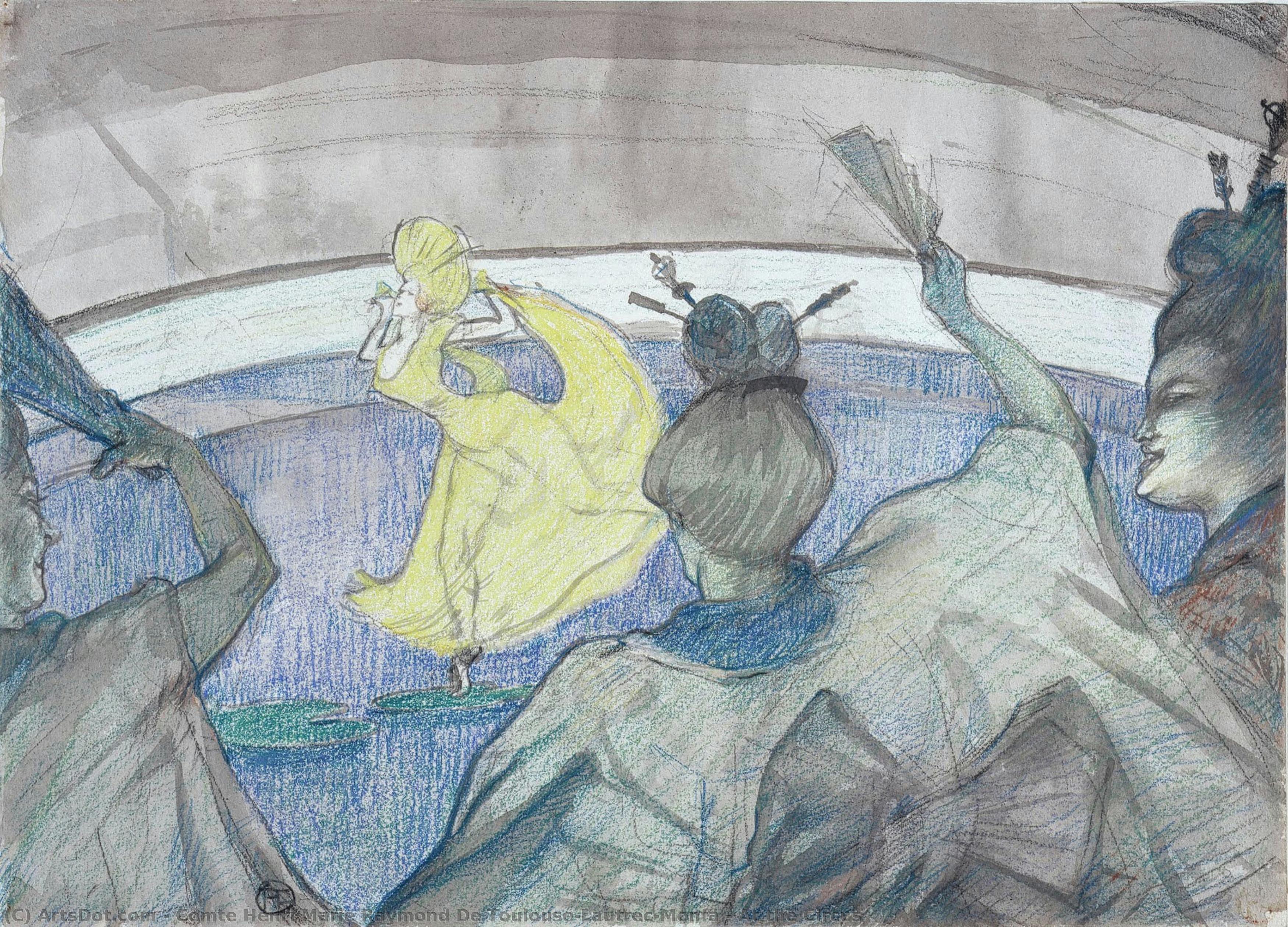
At the Circus


 Read More
Purchase a high-resolution, enhanced digital image, far superior to the online preview.
Each file is meticulously prepared by our in-house specialists using advanced tools and expert manual retouching. We ensure every image has exceptional clarity, precise color accuracy, and fine detail.
The final file is delivered via email within 72 hours, optimized for immediate use in professional, editorial, and print environments. This is the same quality trusted by top-tier design studios, publishers, and galleries.
Digital Image
Download a high-resolution file for personal display, printing, and creative projects. ( Buy Print Buy Hand Made Painting)
Included in Every Digital Image Order
Expert Digital Delivery, Guaranteed
When you choose ArtsDot.com, you're not just getting an image - you're receiving a professionally enhanced digital artwork, crafted with precision and backed by a satisfaction guarantee. Here's everything that comes with your order, automatically:

Fast Email Delivery
Your high-resolution digital image file will be emailed to you within 72 hours of ordering - ready for immediate use.

AI-Enhanced Digital File
Your artwork is professionally optimized using advanced AI tools and manual editing, ensuring maximum detail, clarity, and color accuracy.

Free Lifetime Re-Delivery
Accidentally deleted or lost your file? No worries - we'll resend it to you anytime, free of charge.

No Import Fees - Ever
Enjoy your artwork instantly with zero customs, duties, or delivery fees - digital downloads are always tax-free.

Color Accuracy Guarantee
We ensure your digital image reflects the original colors as closely as possible using professional tools and color management.

60-Day Satisfaction Guarantee
If you're not satisfied with your digital image, we'll revise it or refund 100% within 60 days - no questions asked.

100% Money-Back Guarantee
Not satisfied? Get a full refund within 60 days of receiving your digital file - no questions asked.

Bulk Order Discounts
Buy 3 images, save 10% - Buy 5, save 15% - Buy 10+, save 20%. Great for creative projects, galleries, and agencies.
Collectible Description
A Night Amongst Shadows: Toulouse-Lautrec’s “At The Circus”
The canvas breathes with an energy born of Parisian Montmartre – specifically, the intoxicating chaos of Henri de Toulouse-Lautrec’s “At The Circus.” Painted in 1897 during his bohemian heyday, this artwork isn't merely a depiction of a spectacle; it’s a distillation of the artist’s own fractured perspective on beauty and experience. Toulouse-Lautrec, grappling with debilitating physical limitations stemming from a genetic disorder, sought solace and inspiration within the vibrant underbelly of Parisian nightlife, transforming hardship into profound artistic observation.Style & Technique: Impressionistic Echoes
“At The Circus” leans heavily into impressionistic principles, albeit filtered through Lautrec’s uniquely sensitive gaze. Unlike the polished surfaces favored by academic painters of his time, Toulouse-Lautrec employs loose brushstrokes and a muted palette—primarily yellows, reds, and browns—to capture not precise visual details but rather the atmosphere of the circus tent. The artist eschews meticulous shading to convey movement and luminescence, prioritizing the emotional impact over photographic accuracy. Thick impasto lends texture to the canvas, emphasizing the physicality of the scene and mirroring Lautrec’s own struggle for stability. Notice how light dances across the performers' costumes and illuminates the sawdust-covered floor—a deliberate tactic designed to heighten sensory perception.Historical Context: Montmartre’s Artistic Crucible
Montmartre in 1897 was a crucible of artistic innovation, attracting painters, writers, musicians, and artists from across Europe. Toulouse-Lautrec himself became synonymous with the district's bohemian spirit, documenting its vibrant culture through his paintings, prints, and drawings. The circus itself held immense symbolic significance during this period—representing spectacle, illusion, and escape from societal constraints. Furthermore, Lautrec’s depiction of a woman performing a daring feat on the tightrope speaks to broader themes of courage, vulnerability, and defying expectations – qualities that resonated deeply with the artistic sensibilities of the era. The circus was more than just entertainment; it was a microcosm of Parisian society itself.Symbolism & Emotional Resonance: Fractured Beauty
Beyond its stylistic choices and historical backdrop, “At The Circus” is laden with symbolism reflecting Lautrec’s inner turmoil. The woman on the tightrope embodies resilience amidst physical limitations—a poignant metaphor for Toulouse-Lautrec's own life experience. The bright yellow dress contrasts sharply with the muted tones of the tent, highlighting the artist’s desire to find beauty even in imperfection. Consider also the positioning of the figures: They are clustered together, creating a sense of intimacy and shared vulnerability. Ultimately, Lautrec seeks to convey not just what he sees but how he feels—a yearning for connection and an acceptance of life's inherent contradictions. The painting’s emotional impact is palpable – inviting contemplation on themes of perseverance, artistry, and the transformative power of observation.Conclusion: An Enduring Legacy
“At The Circus” stands as a testament to Toulouse-Lautrec’s artistic genius—a masterful blend of impressionistic technique and psychological insight. It continues to captivate audiences today not merely for its visual beauty but also for its profound exploration of human experience. Reproductions of this artwork offer an opportunity to immerse oneself in the spirit of Montmartre and to appreciate Lautrec's unwavering commitment to capturing the essence of a moment—a moment imbued with both exhilaration and melancholy, forever etched onto the canvas as a symbol of enduring artistic legacy.Related Artworks
Artist Biography
A Life Etched in Parisian Nights: The World of Henri de Toulouse-Lautrec
Henri Marie Raymond de Toulouse-Lautrec-Monfa, forever known simply as Toulouse-Lautrec, remains a captivating figure of the late 19th century. Born into the waning days of French aristocracy in Albi on November 24, 1864, his life was marked by both privilege and profound physical challenge. A rare genetic condition, suspected to be pycnodysostosis – though debated even today – halted the growth of his legs at a young age, leaving him with a disproportionately small lower body and an adult torso. This physical difference profoundly shaped his perspective, leading him not toward self-pity but towards an intensely observant and empathetic engagement with the marginalized figures of Parisian society. His aristocratic background afforded him access to artistic training, yet it was the vibrant, often scandalous world of Montmartre that truly ignited his creative spirit.
From Academic Training to Bohemian Rhapsody
Toulouse-Lautrec’s formal artistic journey began in Paris under the tutelage of Léon Bonnat and later Fernand Cormon. While he mastered the technical skills expected of a Salon painter, it was his immersion in the bohemian heart of Montmartre that irrevocably altered his trajectory. He rejected the prevailing academic focus on historical or mythological subjects, instead turning his keen eye towards the everyday dramas unfolding around him: the dancers at the Moulin Rouge, the prostitutes of the rue des Moulins, the circus performers and café singers who populated the Parisian nightlife. This wasn’t mere observation; it was a deep dive into a world often ignored by polite society. He didn't simply paint *about* these people, he inhabited their spaces, understanding their vulnerabilities and celebrating their resilience. His early works show a clear academic foundation, but quickly evolve to embrace a more daring and unconventional style, influenced by Japanese woodblock prints – then gaining popularity in Europe – with their bold compositions and flattened perspectives.
A Master of Line and Color: Defining a Style
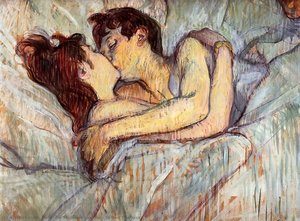
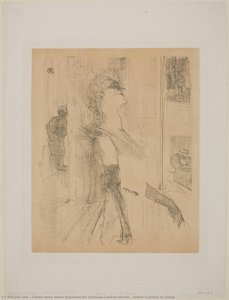
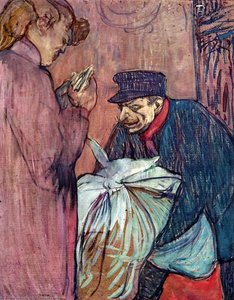
Toulouse-Lautrec’s artistic innovations are readily apparent in his distinctive style. He was a master of line, using it not just to define form but to convey movement, emotion, and character. His color palette, while often muted, possessed an extraordinary vibrancy, capturing the artificial glow of gaslight and the smoky atmosphere of Parisian cabarets. He embraced lithography with particular enthusiasm, recognizing its potential for mass reproduction and artistic expression. This allowed his images to circulate widely, further cementing his reputation as a chronicler of modern life. His posters, advertising performers like Jane Avril and Yvette Guilbert, were not merely promotional materials; they were works of art in their own right, instantly recognizable for their dynamic compositions and striking imagery. La Blanchisseuse, sold at auction for $22.4 million in 2005, exemplifies his early talent, but it’s the later depictions of Montmartre that truly define his legacy. He wasn't interested in idealizing his subjects; he presented them with unflinching honesty, capturing their flaws and vulnerabilities alongside their beauty and spirit.
Legacy and Lasting Influence
Toulouse-Lautrec’s life was tragically cut short at the age of 36 on September 9, 1901, a consequence of years battling alcoholism and syphilis. Despite his relatively brief career, his impact on the art world is immeasurable. He stands as a pivotal figure in the transition from Impressionism to modern art, paving the way for artists who would further explore subjective experience and psychological depth. He is considered one of the key Post-Impressionist painters alongside Cézanne, Van Gogh, Gauguin, and Seurat. His influence can be seen in everything from early 20th-century illustration to contemporary graphic design. He didn’t just paint what he saw; he revealed a hidden world, challenging conventional notions of beauty and morality. His work continues to resonate today, reminding us of the power of art to illuminate the human condition in all its complexity and contradiction.
Exploring Toulouse-Lautrec’s World Further
- Discover a comprehensive collection of his artwork at /en/artists/comte-henri-marie-raymond-de-toulouse-lautrec-monfa.
- Delve into the world of Post-Impressionism and its key artists at /en/art-movements/post-impressionism.
- Learn more about his life and artistic journey through resources like Wikipedia: https://en.wikipedia.org/wiki/Henri_de_Toulouse-Lautrec
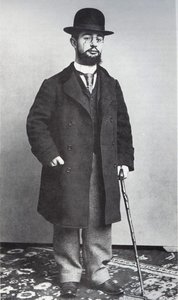
henri de toulouse-lautrec
1864 - 1901 , France
Quick Facts
- Artistic Movement Or Style: Post-Impressionism
- Artists Or Movements Influenced By This Artist:
- Paul Cézanne
- Vincent van Gogh
- Art Nouveau
- Artists Who Influenced This Artist: ['Léon Bonnat']
- Date Of Birth: November 24, 1864
- Date Of Death: September 9, 1901
- Full Name: Henri Marie Raymond de Toulouse-Lautrec-Monfa
- Nationality: French
- Notable Artworks:
- La Blanchisseuse
- In the Wings at the Circus
- Woman in Bed — Waking
- Place Of Birth: Albi, France

