

 Preview
 Send
Send Share
Share
 Details

 Download
 Similars
 X-Ray
X-Ray Diaporama
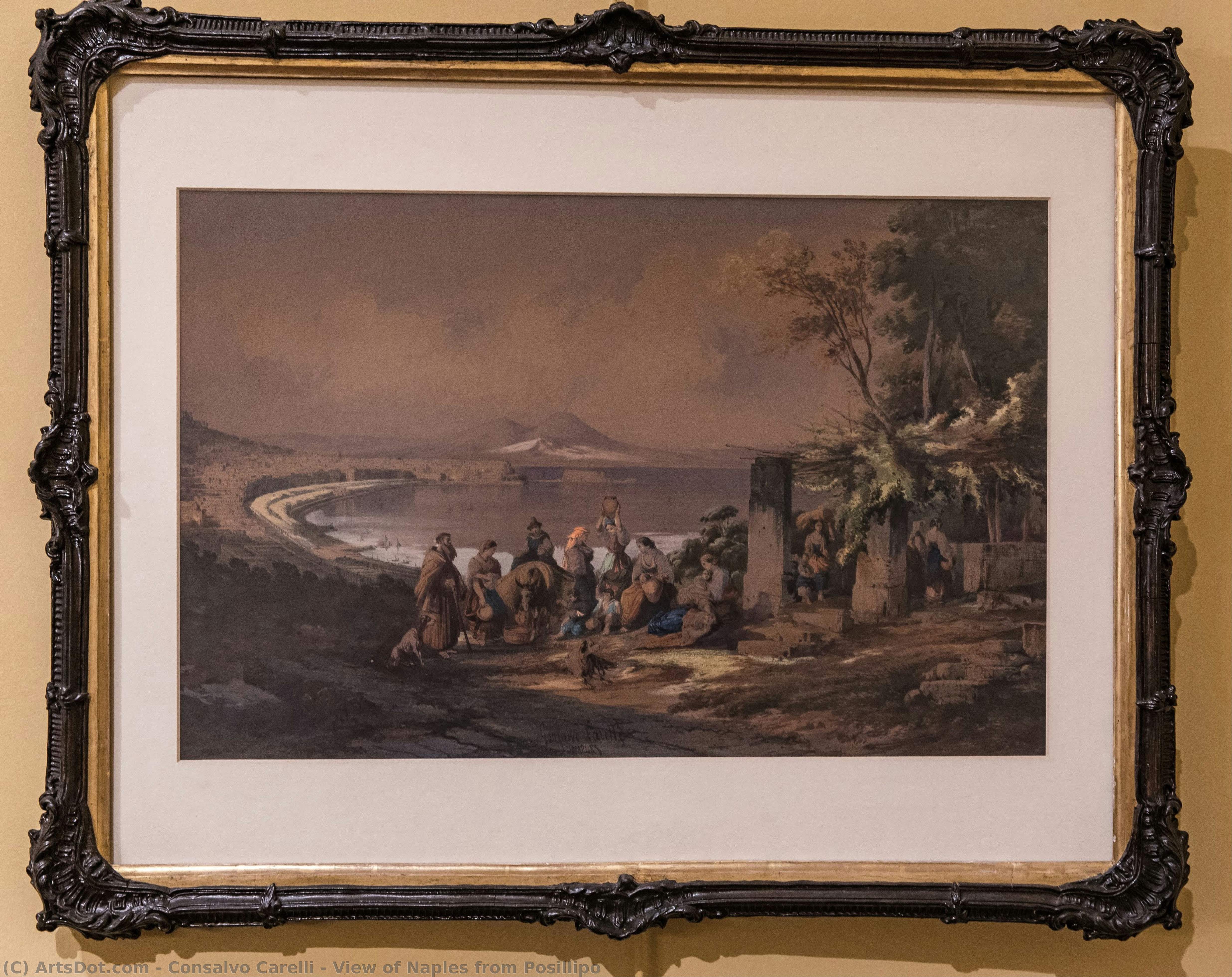
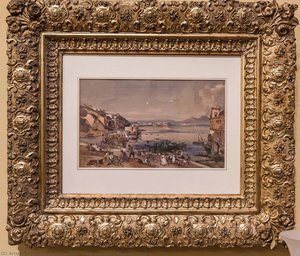
View of Naples from Posillipo


 Read More
Purchase a high-resolution, enhanced digital image, far superior to the online preview.
Each file is meticulously prepared by our in-house specialists using advanced tools and expert manual retouching. We ensure every image has exceptional clarity, precise color accuracy, and fine detail.
The final file is delivered via email within 72 hours, optimized for immediate use in professional, editorial, and print environments. This is the same quality trusted by top-tier design studios, publishers, and galleries.
Digital Image
Download a high-resolution file for personal display, printing, and creative projects. ( Buy Print Buy Hand Made Painting)
Included in Every Digital Image Order
Expert Digital Delivery, Guaranteed
When you choose ArtsDot.com, you're not just getting an image - you're receiving a professionally enhanced digital artwork, crafted with precision and backed by a satisfaction guarantee. Here's everything that comes with your order, automatically:

Fast Email Delivery
Your high-resolution digital image file will be emailed to you within 72 hours of ordering - ready for immediate use.

AI-Enhanced Digital File
Your artwork is professionally optimized using advanced AI tools and manual editing, ensuring maximum detail, clarity, and color accuracy.

Free Lifetime Re-Delivery
Accidentally deleted or lost your file? No worries - we'll resend it to you anytime, free of charge.

No Import Fees - Ever
Enjoy your artwork instantly with zero customs, duties, or delivery fees - digital downloads are always tax-free.

Color Accuracy Guarantee
We ensure your digital image reflects the original colors as closely as possible using professional tools and color management.

60-Day Satisfaction Guarantee
If you're not satisfied with your digital image, we'll revise it or refund 100% within 60 days - no questions asked.

100% Money-Back Guarantee
Not satisfied? Get a full refund within 60 days of receiving your digital file - no questions asked.

Bulk Order Discounts
Buy 3 images, save 10% - Buy 5, save 15% - Buy 10+, save 20%. Great for creative projects, galleries, and agencies.
Collectible Description
A Sun-Drenched Moment in Neapolitan History
In the delicate, translucent layers of Consalvo Carelli’s 1864 watercolor, View of Naples from Posillipo, we are invited to step into a serene afternoon along the Tyrrhenian coast. The painting captures more than just a geographical location; it preserves a fleeting moment of leisure and light that defines the very soul of the School of Posillipo. As the eye wanders across the shoreline, one encounters a small community gathered by the water’s edge—a group of at least thirteen figures, some reclining in the warmth of the sun, others standing in quiet conversation. There is an effortless grace to their arrangement, suggesting a shared, tranquil rhythm of life where the boundaries between humanity and the natural world begin to blur.
The technique employed by Carelli is nothing short of masterful, utilizing the unique properties of watercolor to mimic the shimmering atmosphere of the Mediterranean. Through subtle washes of color and precise brushwork, he captures the way light dances upon the gentle waves and illuminates the sandy shores. The artist’s ability to manipulate transparency allows the viewer to feel the warmth of the sun and the cool breeze coming off the sea. This mastery of light—a hallmark of his Neapolitan lineage—transforms a simple beach scene into a luminous window through time, making it an exquisite centerpiece for any collection focused on classical beauty and atmospheric depth.
The Legacy of the School of Posillipo
To understand this work is to understand the artistic heartbeat of 19th-century Naples. As the son of Raffaele Carelli, Consalvo was steeped in the traditions of a movement that prioritized the emotional resonance of landscape over rigid academic formality. This painting serves as a poignant testament to that era, blending Romanticism with a gentle realism. The composition does not merely document a view; it evokes a sense of nostalgia for a bygone era of slow living and unhurried connection to the earth. For the discerning collector or interior designer, this piece offers a sophisticated narrative of Italian heritage, bringing a sense of historical weight and Mediterranean charm to a contemporary space.
Beyond its aesthetic appeal, the artwork carries a profound emotional impact. There is a quiet dignity in the way Carelli depicts the everyday lives of these individuals, elevating a casual moment on the beach to the status of high art. The painting radiates a sense of peace and communal joy, making it an ideal selection for creating an atmosphere of tranquility within a home or gallery. Whether framed in a classic black border to accentuate its elegance or placed in a bright, airy room to highlight its luminosity, View of Naples from Posillipo remains a timeless tribute to the enduring beauty of the Italian coast.
Related Artworks


Artist Biography
Consalvo Carelli: A Neapolitan Master of Light and Landscape
Consalvo Carelli (1818-1900) stands as a pivotal figure within the School of Posillipo, an artistic movement deeply rooted in the vibrant landscapes and cultural traditions of Naples. More than just a painter, he was a keen observer of his surroundings, capturing the essence of Southern Italy with a masterful blend of Romanticism and Neapolitan realism. His work offers a poignant glimpse into a bygone era, revealing not only breathtaking vistas but also the quiet dignity and everyday lives of its people.
Born in Naples on March 29th, 1818, Consalvo’s artistic lineage was intrinsically linked to the School of Posillipo. His father, Raffaele Carelli, a prominent member of this influential group, had migrated from Apulia and established a strong foundation for his son's future endeavors. This connection provided Consalvo with early exposure to the movement’s core tenets: an emphasis on capturing the fleeting effects of light, a deep appreciation for local color, and a commitment to portraying the beauty of the Italian countryside. He received formal training at the French Academy in Rome in 1837, a common path for aspiring artists seeking to hone their skills within the established artistic circles of Europe.
Carelli’s early career saw him traveling extensively throughout Italy and beyond. He spent three years in Paris (1841-1843), where he gained recognition as a landscape painter, absorbing influences from the Romantic tradition while simultaneously developing his own distinct style. Notably, he contributed illustrations to Alexandre Dumas' travel journal, showcasing his ability to capture both grand vistas and intimate details. His patronage extended across European aristocracy – French, English, and Russian – reflecting the growing demand for Italian landscapes amongst wealthy collectors eager to adorn their homes with pieces that evoked the romance of the Mediterranean.
The School of Posillipo: A Synthesis of Realism and Romanticism
The School of Posillipo, which flourished in Naples during the 19th century, represented a unique artistic synthesis. Rejecting the rigid formality of Neoclassicism, its artists sought to capture the immediacy of experience, prioritizing observation and emotional response over idealized representation. Key characteristics included a focus on atmospheric effects – particularly the interplay of light and shadow – a vibrant use of color, and an interest in portraying everyday life within the Italian landscape. Carelli’s work exemplifies these principles perfectly; his paintings are not merely depictions of scenery but rather imbued with a palpable sense of atmosphere and emotion.
Influenced by artists like Gaspar Montefeltro and Francesco La Tour, Carelli developed a distinctive technique characterized by loose brushwork, broken color, and a remarkable sensitivity to light. He was particularly adept at capturing the hazy, atmospheric conditions that frequently enveloped the Neapolitan countryside – a skill that contributed significantly to the dreamlike quality of many of his works. His compositions often feature dramatic diagonals and carefully orchestrated perspectives, drawing the viewer into the heart of the scene.
Notable Works and Themes
Carelli’s oeuvre is rich in diverse subjects, ranging from grand landscapes to intimate portraits. Among his most celebrated paintings are depictions of iconic Neapolitan landmarks such as the Ruins of Paestum (1864), a watercolor that masterfully captures the crumbling grandeur of ancient Roman ruins bathed in the golden light of the afternoon sun. His series of “Goat Herders in a Neapolitan Landscape” (circa 1850s) offers a poignant glimpse into rural life, portraying shepherds and their flocks against the backdrop of rolling hills and cypress trees. These works are characterized by their subtle color palette, evocative brushwork, and a deep understanding of human psychology.
Beyond landscapes, Carelli also produced numerous portraits, often depicting members of the European aristocracy who sought his services as a court painter. These portraits reveal a keen eye for detail and an ability to capture the personality and character of his subjects. His work demonstrates a remarkable versatility, showcasing his mastery across a range of genres.
Legacy and Recognition
Consalvo Carelli’s contribution to Italian art is significant, solidifying his place as a key figure within the School of Posillipo. His paintings continue to be exhibited in museums and private collections worldwide, attracting considerable attention for their beauty, emotional depth, and historical significance. In 2016, after being stolen from Italy in 2001, one of Carelli’s paintings – a depiction of the Ruins of Paestum – was returned to its homeland by the United States government, a testament to the enduring value of his work.
His legacy extends beyond individual artworks; he represents a crucial link between the artistic traditions of Italy and Europe. Through his evocative landscapes and portraits, Consalvo Carelli offers a timeless celebration of beauty, light, and the spirit of Southern Italy – a region that continues to captivate artists and viewers alike.
consalvo carelli
1818 - 1900
Quick Facts
- Artistic Movement Or Style: School of Posillipo
- Artists Or Movements Influenced By This Artist: ['Wilhelm Jakob Huber']
- Artists Who Influenced This Artist: ['Raffaele Carelli']
- Date Of Birth: March 29, 1818
- Date Of Death: December 2, 1900
- Full Name: Consalvo Carelli
- Nationality: Italian
- Notable Artworks:
- Ruins of Paestum
- Goat herders...
- Nisida from Naples
- Place Of Birth: Naples, Italy

