

 Preview
 Send
Send Share
Share
 Details

 Download
 Similars
 X-Ray
X-Ray Diaporama
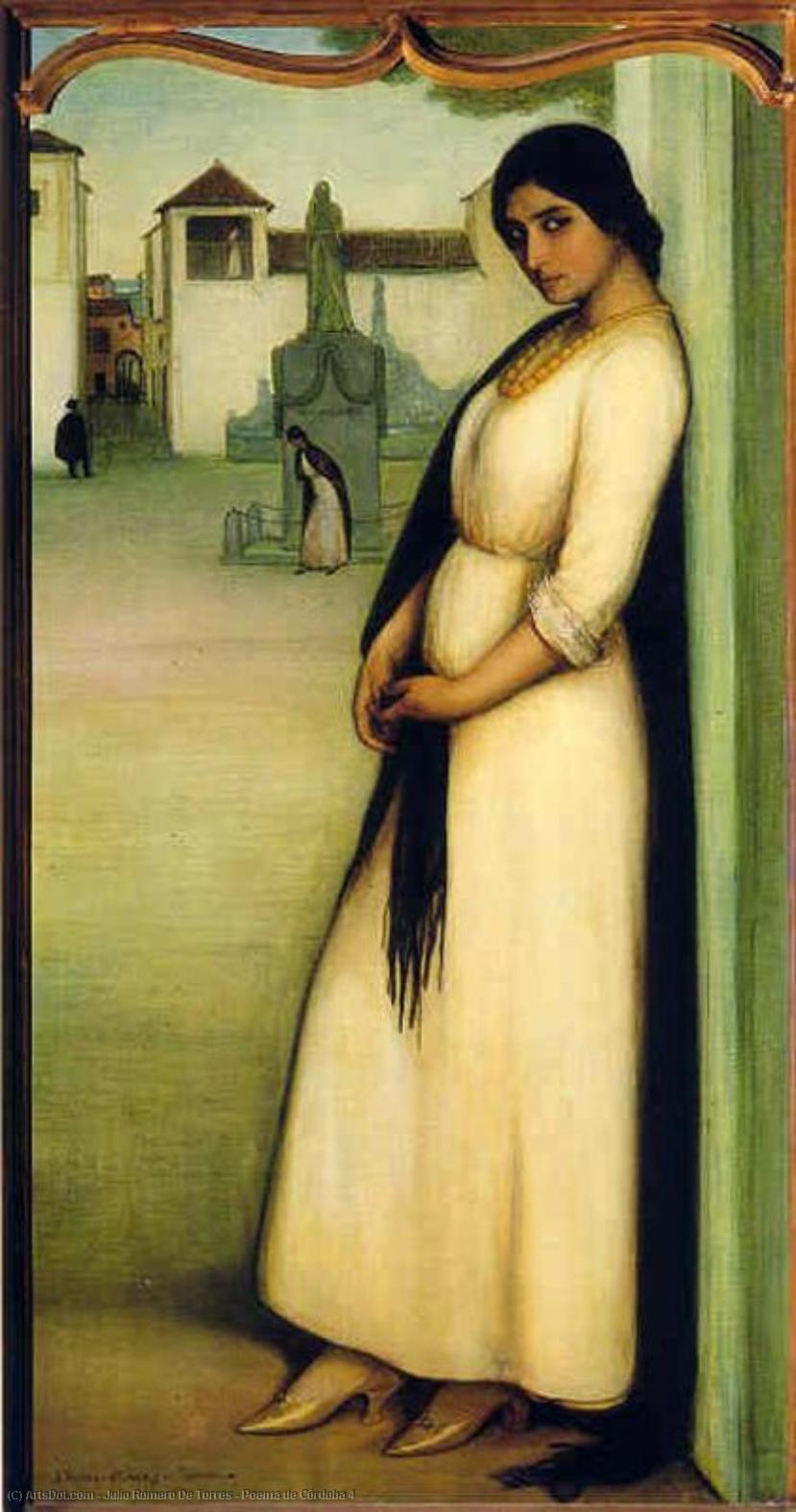
Poema de Córdoba 4
 Oil On Canvas
- WallArt
- Symbolism
 1915
1915- 19th Century
 88.0 x 514.0 cm
 Read More
Purchase a high-resolution, enhanced digital image, far superior to the online preview.
Each file is meticulously prepared by our in-house specialists using advanced tools and expert manual retouching. We ensure every image has exceptional clarity, precise color accuracy, and fine detail.
The final file is delivered via email within 72 hours, optimized for immediate use in professional, editorial, and print environments. This is the same quality trusted by top-tier design studios, publishers, and galleries.
Digital Image
Download a high-resolution file for personal display, printing, and creative projects. ( Buy Print Buy Hand Made Painting)
Included in Every Digital Image Order
Expert Digital Delivery, Guaranteed
When you choose ArtsDot.com, you're not just getting an image - you're receiving a professionally enhanced digital artwork, crafted with precision and backed by a satisfaction guarantee. Here's everything that comes with your order, automatically:

Fast Email Delivery
Your high-resolution digital image file will be emailed to you within 72 hours of ordering - ready for immediate use.

AI-Enhanced Digital File
Your artwork is professionally optimized using advanced AI tools and manual editing, ensuring maximum detail, clarity, and color accuracy.

Free Lifetime Re-Delivery
Accidentally deleted or lost your file? No worries - we'll resend it to you anytime, free of charge.

No Import Fees - Ever
Enjoy your artwork instantly with zero customs, duties, or delivery fees - digital downloads are always tax-free.

Color Accuracy Guarantee
We ensure your digital image reflects the original colors as closely as possible using professional tools and color management.

60-Day Satisfaction Guarantee
If you're not satisfied with your digital image, we'll revise it or refund 100% within 60 days - no questions asked.

100% Money-Back Guarantee
Not satisfied? Get a full refund within 60 days of receiving your digital file - no questions asked.

Bulk Order Discounts
Buy 3 images, save 10% - Buy 5, save 15% - Buy 10+, save 20%. Great for creative projects, galleries, and agencies.
Collectible Description
A Vision of Andalusian Grace: Exploring Poema de Córdoba 4
To stand before Poema de Córdoba 4 is to step directly into the sun-drenched, evocative heart of Córdoba itself. This monumental oil on canvas, executed in 1915 by Julio Romero de Torres, is far more than a mere portrait; it is a visual poem rendered in pigment. The sheer scale—measuring an imposing 88 x 514 cm—demands attention, enveloping the viewer in its narrative depth. At the core of the composition stands a woman, clad in pristine white, whose posture speaks of quiet confidence. With her hands placed deliberately on her hips, she meets the gaze of the observer with an unwavering directness that seems to bridge the gap between the canvas and the modern viewer.
The Allure of Tradition Meets Modernity
Romero de Torres was a master cartographer of the Spanish soul, an artist whose genius lay in his ability to synthesize epochs. While deeply rooted in the rich traditions of Spanish genre painting, his touch hints at the burgeoning currents of modernism that swept through early 20th-century art. The technique itself—a masterful blend utilizing oil on canvas and perhaps touches of tempera—lends a luminous richness to every fold of fabric and shadow cast by the doorway behind her. Observe the details: the elegant sweep of her long skirt, the delicate scarf adorning her neck. These elements are rendered with meticulous care, suggesting an era where formality coexisted beautifully with burgeoning personal expression.
Narrative Depth and Compositional Intrigue
The scene unfolds around this central figure, creating a dynamic interplay that pulls the eye deeper into the painting's narrative space. Flanking her, the background reveals glimpses of life continuing just beyond the immediate moment. We discern at least two other figures; one is captured in the act of carrying a handbag, while another presence lingers partially visible on the left edge. These secondary characters are crucial, for they anchor the main subject within a believable, lived-in environment—the very essence of Córdoba's enduring cultural tapestry. The doorway itself acts as both a frame and a portal, suggesting stories untold just beyond our sight.
Symbolism and Enduring Resonance
The choice of white attire often carries connotations of purity, yet here it feels imbued with the timeless elegance of Andalusian femininity. Romero de Torres did not simply paint people; he captured archetypes—the spirit of a city, the grace of its inhabitants. Owning or reproducing this piece is to invite a profound connection to Spanish heritage and artistic resilience. It speaks to a cultural memory, making it an extraordinary focal point for any space that wishes to evoke history, romance, and enduring beauty.
Bringing the Masterpiece Home
For those who seek to incorporate such monumental artistry into their own interiors or collections, understanding the weight of this piece is key. A high-quality reproduction allows one to experience the grandeur and emotional resonance of Poema de Córdoba 4 without its original scale. It offers a tangible connection to Julio Romero de Torres’s legacy—a testament to an artist who painted not just with paint, but with poetry itself.
Related Artworks

Artist Biography
A Son of Córdoba: The Life and Art of Julio Romero de Torres
Julio Romero de Torres, born in the heart of Córdoba, Spain, in 1874, was more than simply a painter; he was a visual poet who captured the very soul of Andalusia. His life unfolded amidst a period of intense cultural ferment, as Spain grappled with its identity and sought new artistic voices to express it. Coming from a family deeply rooted in artistry—his father, Rafael Romero Barros, being a celebrated realist painter and founder of Córdoba’s Museum of Fine Arts—Julio's path seemed almost predetermined. Yet, he wasn’t merely an inheritor of his father’s style; he forged his own unique vision, one that masterfully blended realism with the burgeoning symbolism of the late 19th and early 20th centuries. From a tender age, ten years old to be precise, Romero de Torres received formal training at Córdoba's School of Fine Arts, laying the foundation for a career defined by meticulous technique and profound emotional depth. His earliest works already hinted at his innate talent, but it was through extensive travel and exposure to diverse artistic currents that his style truly began to blossom.
Forging a Symbolist Vision: Travel and Transformation
Romero de Torres’s artistic journey wasn't confined within the borders of Spain. He embarked on extensive travels across Europe—Italy, France, England, the Low Countries—immersing himself in different cultures and absorbing new influences. These experiences were pivotal in shaping his signature style, a captivating blend of realism and impressionism infused with potent symbolism. While he initially experimented with various approaches, it was after a transformative trip to Italy in 1908 that his artistic direction solidified. He became increasingly fascinated by the power of suggestion, using evocative imagery and carefully chosen colors to convey deeper meanings and emotions. This period marked a distinct departure from purely representational art towards a more subjective and symbolic expression. The intellectual climate of Córdoba also played a crucial role; he engaged with the vibrant discussions at the Royal Academy of Science, Arts and Literature, absorbing the philosophical currents that informed his work. He wasn't simply painting what he saw but interpreting the world through a lens of symbolism, folklore, and Andalusian identity. Amor Místico y Amor Profano, perhaps his most iconic work, exemplifies this approach perfectly.
Masterpieces of Andalusia: Themes and Techniques
Romero de Torres’s oeuvre is deeply rooted in the culture and landscape of Andalusia, particularly his beloved Córdoba. His paintings are populated with archetypal figures—gypsies, bullfighters, women draped in shawls—rendered with a striking realism that belies their symbolic weight. El Poema de Córdoba, another testament to his deep connection with his hometown, is a triptych celebrating the city’s rich history and cultural heritage. His technique was characterized by meticulous attention to detail, dramatic lighting, and a masterful use of color—often employing a palette dominated by blacks, blues, and greens to create an atmosphere of mystery and intensity. He didn't shy away from challenging societal norms either; his work often touched upon themes of passion, sensuality, and the complexities of human relationships, sometimes sparking controversy but always captivating audiences. The artist’s ability to imbue everyday scenes with a sense of mythic grandeur is particularly striking. He elevated the ordinary—a flamenco dancer, a street scene—to the level of timeless allegory.
Recognition and Enduring Legacy
Throughout his career, Romero de Torres received numerous accolades, including honorable mentions and awards at national exhibitions in 1895, 1899, and 1904. He became a respected figure in the Spanish art world, eventually securing a professorship at the Real Academia de Bellas Artes de San Fernando in Madrid in 1916. However, his artistic journey wasn't without its challenges; he faced criticism for his unconventional subject matter and stylistic choices. Despite these obstacles, he remained true to his vision, continuing to explore the themes that resonated most deeply with him. Today, his legacy endures through his captivating paintings and the Museo Julio Romero de Torres in Córdoba, housed in his former residence. The museum stands as a testament to his enduring impact on Spanish art, showcasing not only his own works but also pieces by other prominent artists like Francisco Zurbarán, Alejo Fernández, and Valdés Leal. His ability to capture the essence of Andalusia—its beauty, its passion, its mystery—continues to inspire and enthrall viewers around the world, solidifying his place as one of Spain’s most important and beloved painters.
- Born: Córdoba, Spain, 1874
- Died: Córdoba, Spain, 1930
- Style: Symbolism, Realism, Impressionism
- Notable Works: Amor Místico y Amor Profano, El Poema de Córdoba, La Chiquita Piconera
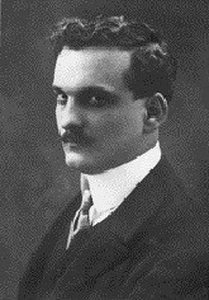
Córdoba Julio Romero de Torres
1874 - 1930 , Spain
Quick Facts
- Artistic Movement Or Style: Symbolism, Impressionism
- Date Of Birth: 1874
- Date Of Death: 1930
- Full Name: Julio Romero de Torres
- Nationality: Spanish
- Notable Artworks:
- Amor Místico y Amor Profano
- El Poema de Córdoba
- La chiquita piconera
- Place Of Birth: Córdoba, Spain

