

 Preview
 Send
Send Share
Share
 Details

 Download
 Similars
 X-Ray
X-Ray Diaporama
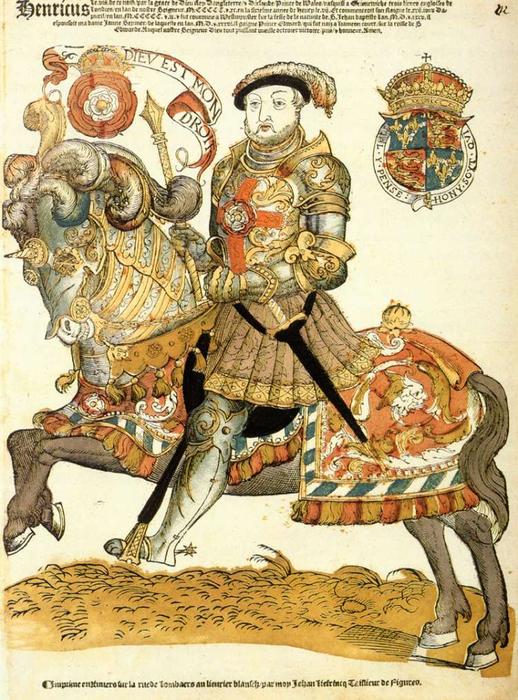
Henry VIII of England on Horseback
 Oil On Canvas
- WallArt
- Renaissance Painting
 1538
1538 403.0 x 295.0 cm
 Rijksmuseum
 Read More
Purchase a high-resolution, enhanced digital image, far superior to the online preview.
Each file is meticulously prepared by our in-house specialists using advanced tools and expert manual retouching. We ensure every image has exceptional clarity, precise color accuracy, and fine detail.
The final file is delivered via email within 72 hours, optimized for immediate use in professional, editorial, and print environments. This is the same quality trusted by top-tier design studios, publishers, and galleries.
Digital Image
Download a high-resolution file for personal display, printing, and creative projects. ( Buy Print Buy Hand Made Painting)
Included in Every Digital Image Order
Expert Digital Delivery, Guaranteed
When you choose ArtsDot.com, you're not just getting an image - you're receiving a professionally enhanced digital artwork, crafted with precision and backed by a satisfaction guarantee. Here's everything that comes with your order, automatically:

Fast Email Delivery
Your high-resolution digital image file will be emailed to you within 72 hours of ordering - ready for immediate use.

AI-Enhanced Digital File
Your artwork is professionally optimized using advanced AI tools and manual editing, ensuring maximum detail, clarity, and color accuracy.

Free Lifetime Re-Delivery
Accidentally deleted or lost your file? No worries - we'll resend it to you anytime, free of charge.

No Import Fees - Ever
Enjoy your artwork instantly with zero customs, duties, or delivery fees - digital downloads are always tax-free.

Color Accuracy Guarantee
We ensure your digital image reflects the original colors as closely as possible using professional tools and color management.

60-Day Satisfaction Guarantee
If you're not satisfied with your digital image, we'll revise it or refund 100% within 60 days - no questions asked.

100% Money-Back Guarantee
Not satisfied? Get a full refund within 60 days of receiving your digital file - no questions asked.

Bulk Order Discounts
Buy 3 images, save 10% - Buy 5, save 15% - Buy 10+, save 20%. Great for creative projects, galleries, and agencies.
Collectible Description
A Royal Vision: Cornelis Anthonisz’s “Henry VIII of England on Horseback”
The year is 1538. Henry VIII, already a figure of immense power and turbulent change, stands poised upon his warhorse – a potent symbol of both military might and the evolving image he sought to project. Cornelis Anthonisz’s “Henry VIII of England on Horseback” isn't merely a portrait; it’s a meticulously crafted document of an era, a visual testament to the king’s ambition and the burgeoning artistic landscape of Amsterdam. This remarkable woodcut, now housed within the esteemed Rijksmuseum in Amsterdam, offers a captivating glimpse into the heart of the Tudor court and the innovative spirit of its leading artists.
Anthonisz, born around 1505, was a pioneer – arguably the first to systematically map Amsterdam with precision. This ambitious undertaking cemented his place in art history, but it’s his masterful depictions of royalty that truly endure. “Henry VIII on Horseback” exemplifies this skill, showcasing an extraordinary level of detail and a sophisticated understanding of perspective rarely seen in contemporary works. The painting is not just about capturing the likeness of the king; it's about conveying his authority, strength, and the grandeur associated with his reign.
A Symphony of Earth Tones and Heraldic Detail
The artwork’s immediate impact lies in its rich palette – a masterful blend of earthy browns, deep reds, and subtle greens. These muted tones evoke a sense of historical weight and realism, transporting the viewer back to 16th-century England. Anthonisz skillfully employs chiaroscuro—the dramatic contrast between light and shadow—to sculpt Henry’s form, emphasizing his musculature and projecting an aura of power. The intricate details are equally compelling: the meticulously rendered armor, adorned with heraldic symbols and crests that proclaim his lineage and status; the flowing mane and tail of the horse, conveying both nobility and movement; and even the subtle folds in the fabric of Henry’s garments.
The background, a carefully constructed landscape featuring a castle or fortress, reinforces the image of a powerful ruler commanding vast territories. Notably, the inscription “DIEVS EST MON DROIT” – "God is my right" – prominently displayed on the banner, speaks to the king’s belief in his divinely ordained authority and serves as a potent symbol of his reign.
A Window into Amsterdam's Artistic Renaissance
“Henry VIII of England on Horseback” represents more than just a royal portrait; it’s a crucial artifact in understanding the artistic development of Amsterdam during the early 16th century. Commissioned by the city fathers, it was intended as a gift to Charles V, showcasing Amsterdam's wealth and burgeoning civic pride. The painting’s creation coincided with a period of significant urban growth and political ambition, reflecting the city’s desire to assert its importance on the European stage.
The woodcut technique itself—a laborious process involving multiple blocks carved from wood—demands immense skill and patience. Anthonisz's ability to achieve such remarkable detail with this medium is a testament to his artistic mastery. The fact that this image was subsequently reproduced and disseminated throughout Europe highlights its enduring appeal and the artist’s lasting legacy.
A Timeless Masterpiece – Available as a Hand-Painted Reproduction
Today, “Henry VIII of England on Horseback” stands as a celebrated example of Renaissance art. Its combination of historical significance, artistic skill, and symbolic resonance continues to captivate audiences centuries after its creation. At ArtsDot, we are proud to offer a meticulously crafted hand-painted oil reproduction that captures the essence of Anthonisz’s original masterpiece. This is more than just a print; it's an authentic work of art, imbued with the same spirit and artistry as the original.
Whether you’re an art collector, an interior designer seeking to add a touch of historical grandeur, or simply someone who appreciates exceptional craftsmanship, this reproduction offers a stunning opportunity to own a piece of Tudor history. Experience the power and majesty of Henry VIII in your home – a timeless reminder of a pivotal era in English history.
Related Artworks

Artist Biography
Cornelis Anthonisz: The Pioneer of Amsterdam’s Bird's Eye View
Cornelis Anthonisz (ca. 1505 – 1553), anthonisz., also spelled anthonissen or teunissen, was a Dutch painter, engraver, and mapmaker whose legacy rests primarily on his groundbreaking achievement: the creation of the first complete map of Amsterdam—a monumental undertaking that cemented his place in art history. Born around 1505 in Amsterdam, Anthonisz’s artistic lineage traced back to Jacob Cornelisz van Oostsanen, a painter who instilled in him a foundational understanding of visual representation and perspective. His cousin, Dirck Jacobsz., further nurtured his talent within the vibrant artistic milieu of Haarlem.- Early Life & Artistic Training:
- Commission for Amsterdam:
- The Bird’s Eye View: A Revolutionary Map:
- Other Notable Works: Portraits and Allegorical Prints:
- Death & Legacy:
Commission for Amsterdam: Shaping the City's Image
In 1538, Anthonisz received an extraordinary commission from Amsterdam’s city fathers—a task that would propel him to international acclaim. They tasked him with producing a map of Amsterdam as a gift intended for Charles V, Holy Roman Emperor during his visit to the burgeoning Dutch Republic. This project demanded meticulous observation and artistic skill; Anthonisz embarked on a detailed survey of the city's topography, incorporating architectural features and street layouts with unprecedented accuracy. The resulting map wasn’t merely decorative—it was a powerful statement about Amsterdam’s status as a center of commerce and civic pride. It showcased a remarkable grasp of aerial perspective, skillfully conveying depth and spatial relationships through shading and tonal variations—a technique that would become synonymous with Anthonisz's style.The Bird’s Eye View: A Revolutionary Map
Anthonisz’s magnum opus is undeniably his 1544 bird’s eye view of Amsterdam, a woodcut print consisting of twelve meticulously crafted blocks that captured the city in breathtaking detail. This ambitious undertaking involved painstaking preparation and execution—the artist spent considerable time studying the cityscape, sketching preliminary designs, and transferring them onto wooden planks. The printing process itself was laborious, requiring skilled craftsmen to carve intricate lines into the blocks and apply ink with precision. What distinguishes this map from its predecessors is not just its visual splendor but also its scientific rigor; it represents the first truly comprehensive depiction of Amsterdam’s urban landscape—a landmark achievement in cartography that would inspire generations of artists and engravers. Remarkably, the print was copied repeatedly until well into the seventeenth century, demonstrating its enduring authority as the definitive representation of Amsterdam at the time.Other Notable Works: Portraits and Allegorical Prints
Beyond his monumental mapmaking endeavors, Anthonisz produced a diverse portfolio of artworks encompassing portraits and allegorical prints. His portrait of Reinoud III van Brederode exemplifies his mastery of anatomical realism and expressive rendering—a testament to his meticulous observation of human form and his ability to convey psychological nuance. Similarly, his militia group portrait ("The Civic Guard") captures the spirit of Amsterdam’s civic life, portraying members of the crossbow guild with a stiff yet dignified posture. Anthonisz's allegorical prints explored themes of virtue and morality through symbolic imagery—demonstrating his versatility as an artist and his engagement with broader intellectual currents of the Renaissance.Death & Legacy
Cornelis Anthonisz died in Amsterdam in 1553, leaving behind a legacy that continues to resonate today. Although only two paintings attributed to him survive—the militia group portrait and the portrait of Reinoud III van Brederode—his influence extended far beyond his artistic output. The enduring fame of his bird’s eye view testifies to its pioneering spirit and its contribution to visual culture—a masterpiece that remains a symbol of Amsterdam's historical significance and Anthonisz’s unparalleled artistic achievement. Furthermore, the meticulous restoration of the damaged map in 1932 ensured that this iconic image would endure for future generations, safeguarding a tangible link to the Renaissance era and cementing Anthonisz’s place as one of the most important artists of his time.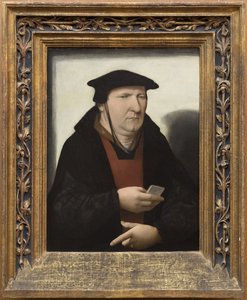
cornelis anthonisz
1505 - 1553 , Netherlands
Quick Facts
- Artistic Movement Or Style: Renaissance
- Artists Or Movements Influenced By This Artist: ['Early Netherlandish art']
- Artists Who Influenced This Artist: ['Jacob Cornelisz van Oostsanen']
- Date Of Birth: Amsterdam, Netherlands (ca. 1505)
- Date Of Death: 1553
- Full Name: Cornelis Anthonisz.
- Nationality: Dutch
- Notable Artworks:
- The Civic Guard
- Bird's eye view Amsterdam
- Place Of Birth: Amsterdam

