

 Preview
 Send
Send Share
Share
 Details

 Download
 Similars
 X-Ray
X-Ray Diaporama
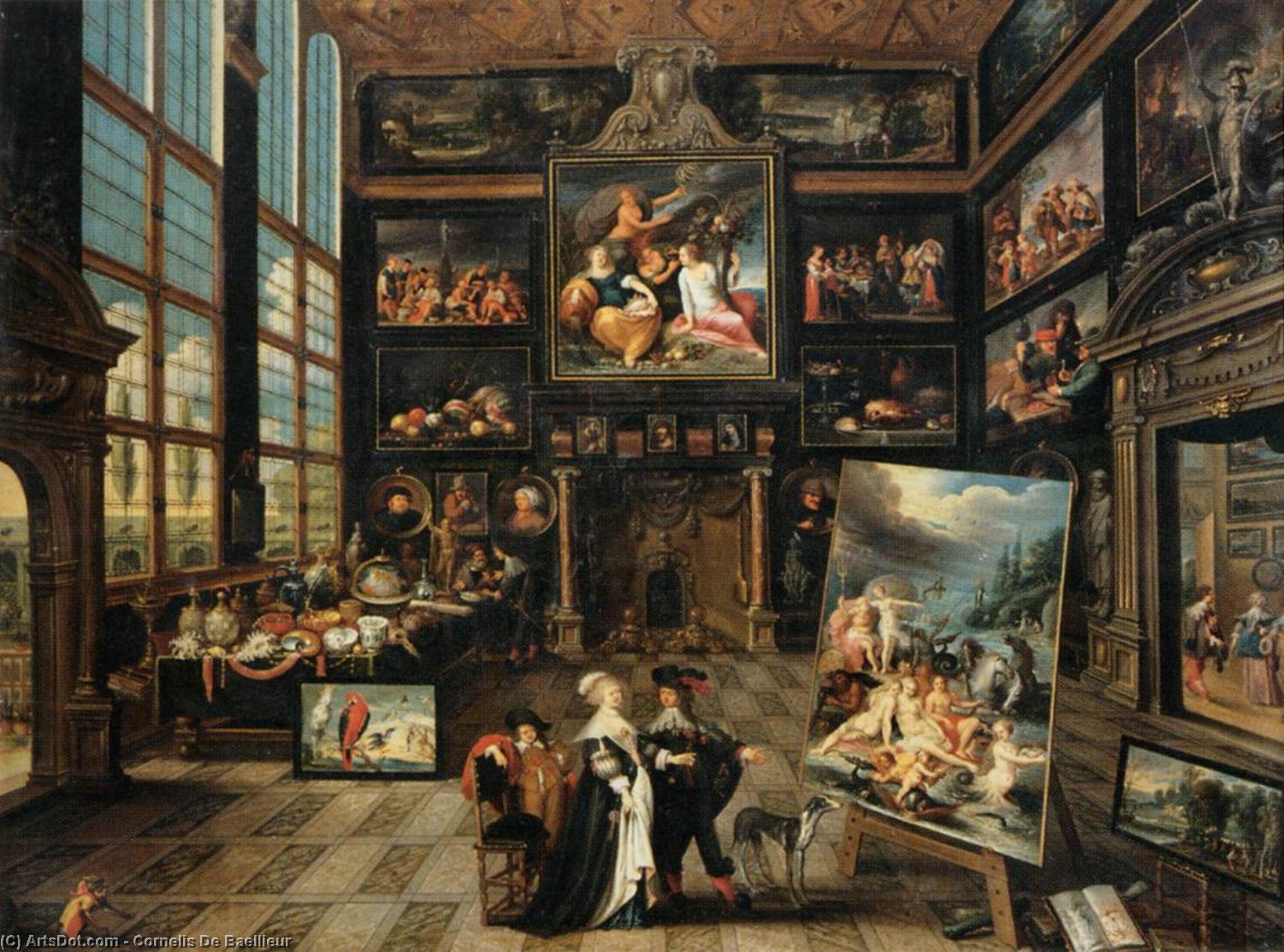
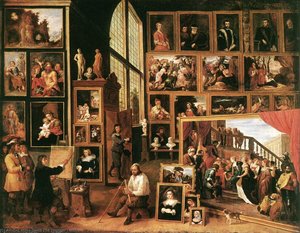
Interior of a Collector's Gallery of Paintings and Objets d'Art
 Oil On Canvas
- WallArt
- Baroque
 1637
1637- Early Modern
 93.0 x 123.0 cm
 The Louvre
 Read More
Purchase a high-resolution, enhanced digital image, far superior to the online preview.
Each file is meticulously prepared by our in-house specialists using advanced tools and expert manual retouching. We ensure every image has exceptional clarity, precise color accuracy, and fine detail.
The final file is delivered via email within 72 hours, optimized for immediate use in professional, editorial, and print environments. This is the same quality trusted by top-tier design studios, publishers, and galleries.
Digital Image
Download a high-resolution file for personal display, printing, and creative projects. ( Buy Print Buy Hand Made Painting)
Included in Every Digital Image Order
Expert Digital Delivery, Guaranteed
When you choose ArtsDot.com, you're not just getting an image - you're receiving a professionally enhanced digital artwork, crafted with precision and backed by a satisfaction guarantee. Here's everything that comes with your order, automatically:

Fast Email Delivery
Your high-resolution digital image file will be emailed to you within 72 hours of ordering - ready for immediate use.

AI-Enhanced Digital File
Your artwork is professionally optimized using advanced AI tools and manual editing, ensuring maximum detail, clarity, and color accuracy.

Free Lifetime Re-Delivery
Accidentally deleted or lost your file? No worries - we'll resend it to you anytime, free of charge.

No Import Fees - Ever
Enjoy your artwork instantly with zero customs, duties, or delivery fees - digital downloads are always tax-free.

Color Accuracy Guarantee
We ensure your digital image reflects the original colors as closely as possible using professional tools and color management.

60-Day Satisfaction Guarantee
If you're not satisfied with your digital image, we'll revise it or refund 100% within 60 days - no questions asked.

100% Money-Back Guarantee
Not satisfied? Get a full refund within 60 days of receiving your digital file - no questions asked.

Bulk Order Discounts
Buy 3 images, save 10% - Buy 5, save 15% - Buy 10+, save 20%. Great for creative projects, galleries, and agencies.
Collectible Description
A Grand Assemblage of Culture and Commerce
To stand before Cornelis de Baellieur’s Interior of a Collector's Gallery of Paintings and Objets d'Art is to step directly into the opulent, intellectual heart of 17th-century Antwerp. This painting is not merely a depiction of a room; it is a meticulously curated vision of patronage, wealth, and the profound human devotion to beauty. The scene unfolds with an almost overwhelming sense of abundance—a veritable treasury where art itself seems to breathe. One’s eye is immediately drawn into the layered complexity, navigating past canvases depicting classical myths and intimate genre scenes, all housed within walls that whisper tales of connoisseurship.
Baroque Drama in Domestic Splendor
The style is unmistakably Baroque, a period characterized by drama, emotional intensity, and an almost theatrical sense of grandeur. De Baellieur masterfully employs light—a divine spotlight seemingly emanating from the window—to carve out dimension within what could otherwise be a flat expanse. This dramatic illumination casts deep shadows, lending palpable weight to every velvet drape, polished piece of furniture, and gilt frame. The composition itself is dynamic; while the architectural lines provide a sense of structure, the arrangement of figures and objects creates a vibrant, almost restless energy. It speaks to an era where art was not just decoration, but a central pillar of social identity.
Technique and Materiality: A Study in Detail
Examining the technique reveals the virtuosity of the Flemish masters. The painting appears executed in oil on canvas, allowing for both the smooth blending necessary to render skin tones and the sharp precision required to define the edges of countless decorative objects. Notice how the artist handles texture: the imagined sheen of polished wood contrasts with the matte surface of aged plaster, while the varied pigments capture the richness of silk and tapestry. The use of perspective, though somewhat flattened in a manner typical of the period’s grand interiors, successfully creates an illusion of deep, lived-in space, inviting the modern viewer to imagine themselves as one of the wealthy observers on the bench.
Symbolism: The Cult of Art
Beyond its visual splendor, this work is rich with symbolism. It celebrates the Enlightenment spirit before it was fully named—the moment when collecting became an intellectual pursuit. The gallery functions as a microcosm of human civilization’s appreciation for skill and narrative. The presence of the artist at work, observed by the affluent couple, underscores the relationship between creator and patron. It is a meditation on value: what makes something beautiful enough to be preserved, displayed, and endlessly admired? For the collector or designer today, this piece offers more than mere decoration; it suggests an entire lifestyle—one steeped in culture, learning, and exquisite taste.
Bringing the Salon Home
For those seeking to infuse a space with historical gravitas and artistic depth, a reproduction of this masterpiece serves as a powerful focal point. It anchors a room not just with its visual weight, but with its narrative resonance. Whether placed in a formal drawing-room or a sophisticated study, it transports the viewer into an atmosphere of cultivated leisure. It is an invitation to pause, observe, and contemplate the enduring power of human creativity.
Related Artworks


Artist Biography
The Master of the Antwerp Interior
To step into a canvas by Cornelis de Baellieur is to enter a world where the boundaries between reality and curated splendor dissolve. Born in the illustrious artistic hub of Antwerp in 1607, de Baellieur emerged during the golden age of the Flemish Baroque, a period defined by its dramatic light and unparalleled material richness. While history often reserves its most luminous spotlight for titans like Rubens or Brueghel, de Baellieur carved out a unique and vital niche. He was not merely a painter of scenes, but an architect of atmosphere, specializing in the intimate yet opulent environments of the 17th-century elite. His life, which spanned until 1671, was deeply rooted in the very soil of Antwerp, absorbing the city's pulse of commerce, culture, and connoisseurship.
His artistic journey began under the rigorous guidance of Antonis Liesaert, an apprenticeship that instilled in him a profound respect for foundational realism and compositional precision. This early training provided the technical scaffolding upon which he would later build his more complex, layered compositions. However, it was perhaps his time assisting Hans III Jordaens that truly expanded his horizons. In the collaborative workshops of Antwerp, de Baellieur learned the delicate dance of shared vision, observing how individual talents could coalesce to create grander, more intricate narratives. This experience with collaborative effort likely informed his later mastery of the "gallery painting," a genre that requires an artist to act as both painter and curator, managing a multitude of miniature subjects within a single, cohesive frame.
A Vision of Wealth and Wonder
De Baellieur’s oeuvre is most celebrated for its exquisite focus on genre scenes—specifically, the interiors of wealthy collectors' galleries. Unlike his contemporaries who sought to capture the epic scale of mythological battles or religious martyrdom, de Ba-ellieur found profound beauty in the quiet, intellectual pursuits of the upper class. His canvases serve as windows into the private sanctuaries of the era's most sophisticated patrons, spaces brimming with sculptures, tapestries, and precious objects. In works such as his Interior of a Collector's Gallery of Paintings and Objets d'Art, he does not simply depict a room; he orchestrates a symphony of textures and light.
The technical virtuosity on display in these works is nothing short of breathtaking. De Baellieur possessed an uncanny ability to manipulate oil paint to mimic the physical properties of the world around him. One can almost feel the cool, smooth surface of polished marble floors or the heavy, tactile weight of silk drapery cascading through a sunlit room. He utilized light as a narrative tool, employing a Baroque chiaroscuro effect where beams of sunlight seem to pierce through windows to illuminate specific treasures, casting deep, dramatic shadows that lend a sense of mystery and depth to the corners of the room. This interplay of light and shadow does more than create dimension; it directs the viewer's eye, guiding them through a labyrinth of cultural artifacts and inviting them to linger on the fine details of every gilt frame and porcelain figurine.
Legacy of the Flemish Baroque
The historical significance of Cornelis de Baellieur lies in his ability to capture the soul of an era. His paintings are vital historical documents that reflect the 17th-century obsession with connoisseurship and the accumulation of beauty as a symbol of social identity. Through his meticulous rendering of art within art, he celebrated the very concept of the collector, immortalizing the intellectual curiosity and economic power of the Antwerp merchant class. His work stands as a testament to a time when art was not merely an ornament but a central pillar of human civilization.
Though his name may not resonate with the same immediate thunder as the great masters of history painting, his contribution to the Flemish Baroque landscape is indispensable. He provided the intimate counterpoint to the grand narratives of his age, offering instead a more nuanced, detailed, and deeply human perspective on the pursuit of aesthetic perfection. Today, his works remain essential for understanding the social fabric of the Low Countries, reminding us that the true heart of culture often resides in the quiet, light-drenched corners of a private gallery.
Cornelis de Baellieur
1607 - 1671 , Belgium
Quick Facts
- Artistic Movement Or Style: Baroque Painting
- Artists Or Movements Influenced By This Artist: Jan Brueghel the Elder
- Artists Who Influenced This Artist: Anthony Liesaert
- Date Of Birth: 1607 Antwerp Belgium
- Date Of Death: 1671 Antwerp Belgium
- Full Name: Cornelis de Baellieur
- Nationality: Flemish
- Notable Artworks:
- Interior of a Collector’s Gallery
- Gallery of a Collector
- Place Of Birth: Antwerp Netherlands

