 Preview
 Send
Send Share
Share
 Details

 Download
 Similars
 X-Ray
X-Ray Diaporama
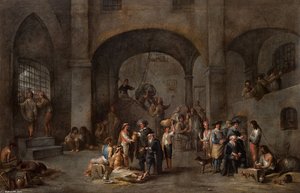
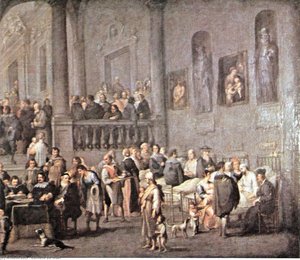
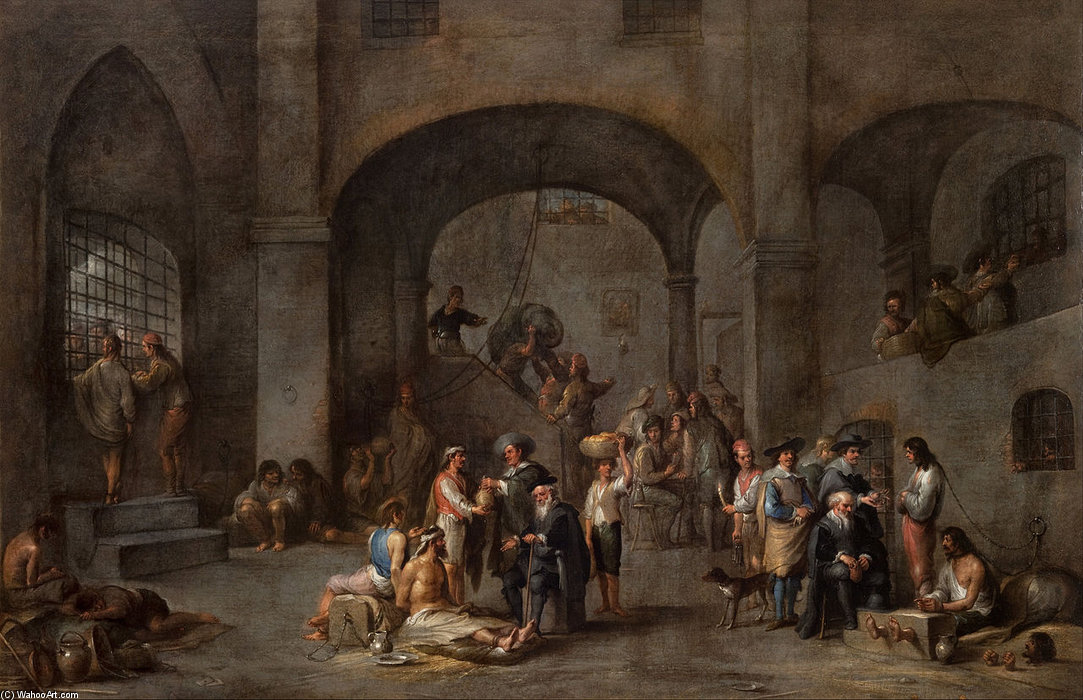
To Visit The Imprisoned
 Read More
Hand Made Oil Reproduction
Hand-painted oil on canvas in your size and frame, made to order by our artists. ( Buy Print Buy Image)




































Pick from our preset sizes that match the artwork's original proportions.

You may enter your own dimensions to fit a specific frame or space. If your selected size does not match the original image's proportions, we will either crop the artwork or extend the painting with additional hand-painted elements. A digital mockup will be sent for your approval before production begins.
Please note that the on-screen preview does not reflect the actual cropping or extension. Only the mockup will accurately show the final composition.
While custom sizes are available, we recommend selecting a dimension from the predefined list to preserve the original proportions.
After order, ArtsDot.com team will email client for instructions and provide a mockup preview
Worldwide Delivery () in 3/4 weeks instead of standard 5 weeks. (17 August). No compromise on quality.

Free Worldwide Express Shipping

High-Quality Linen Canvas

Full Shipping Insurance

Customs Tax Refund Guarantee

True Color Matching Guarantee

60-Day Return Policy (Defects Only)

100% Money-Back Guarantee

Bulk Discount Offer
 Glass option is only available in size under 110 CM

To Visit The Imprisoned
Reproduction Medium
Reproduction Size
-


Total Price
$ 263
Related Artworks
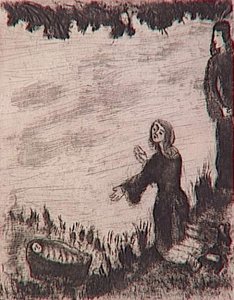
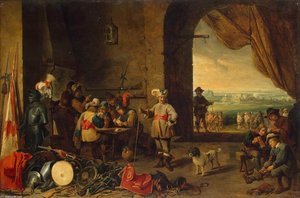
Artist Biography
The Bridge Between Flanders and Italy: The Life of Cornelis de Wael
In the vibrant, swirling currents of the seventeenth-century art world, few figures embodied the spirit of international exchange as gracefully as Cornelis de Wael. Born in the illustrious artistic hub of Antwerp in 1592, De Wael was a child of tradition, descending from a lineage where every breath seemed steeped in pigment and parchment. His father, Jan de Wael I, was a respected painter, and his maternal heritage connected him to the great cartographer Gerard de Jode. This rich, ancestral tapestry of Flemish craftsmanship provided the foundation upon which he would build a career that transcended borders, eventually making him a central pillar of the artistic community in Genoa.
The trajectory of De Wael’s life changed irrevocably in 1619 when he and his brother, Lucas, embarked on a transformative journey toward Italy. While many artists of the era sought the daunting competition of Rome or Venice, De Wael found a unique sanctuary in Genoa. This thriving Mediterranean port city offered a landscape of immense commercial wealth and a slightly less crowded stage for emerging masters. It was here that Cornelis did not merely practice his craft but became an architect of culture. He established a workshop that functioned as much more than a studio; it was a vital embassy for Flemish artists, providing lodging, materials, and the essential social scaffolding required to navigate the complexities of Italian patronage.
A Mastery of Genre and the Spirit of the Workshop
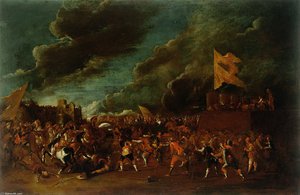
De Wael’s artistic repertoire was as diverse as the merchants who frequented the docks of Genoa. He possessed a remarkable ability to pivot between the grandiosity of history paintings and the intimate, often gritty realism of genre scenes. His works frequently captured the kinetic energy of battle scenes—naval skirmishes and cavalry charges rendered with a meticulous eye for movement and drama—as well as the quiet, reflective stillness of still lifes. There is an inherent irony and occasionally a profound sense of despair in his compositions that would later resonate through the works of local masters like Alessandro Magnasco.
Beyond the canvas, De Wael’s influence was cemented through his role as a merchant and art dealer. He understood the mechanics of the art market, facilitating the flow of luxury goods and masterpieces between Flanders and Italy. This dual identity as both creator and curator allowed him to shape the tastes of his era. His workshop became a legendary meeting point where the meticulous detail of the Northern tradition met the luminous, atmospheric grandeur of the Italian Baroque. It was within this collaborative ecosystem that he hosted luminaries such as Anthony van Dyck, serving as one of the great painter's closest collaborators during his Genoese sojourn.
Legacy and Historical Significance
The historical significance of Cornelis de Wael lies in his role as a cultural conduit. He was not merely a witness to the artistic Renaissance of the seventeenth century but an active participant in its globalization. Through his efforts, the technical precision of the Antwerp school was infused into the Mediterranean aesthetic, creating a hybrid style that enriched the European canon. His membership in the prestigious Accademia di San Luca in Rome stands as a testament to the high regard in which his talent was held by the most rigorous critics of his day.
As we look back upon his life, we see an artist who mastered the art of connection. Whether through the brushstrokes that defined a chaotic sea battle or the business acumen that supported a generation of Flemish expatriates, De Wael ensured that the artistic dialogue between the North and the South remained unbroken. His legacy survives not only in the surviving canvases that grace museum walls today but in the very concept of the international artist—a figure capable of finding home in a foreign land and turning a workshop into a world.
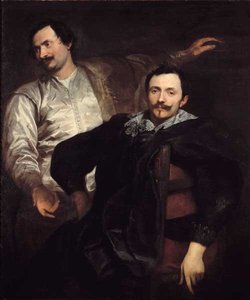
Cornelis de Wael
1592 - 1662 , Belgium
Quick Facts
- Artistic Movement Or Style: Italian Baroque
- Artists Or Movements Influenced By This Artist: ['Magnasco']
- Artists Who Influenced This Artist:
- Jan de Wael I
- Anthony van Dyck
- Date Of Birth: Antwerp, Belgium (1592)
- Date Of Death: 1662
- Full Name: Cornelis de Wael
- Nationality: Flemish
- Notable Artworks:
- Battle of Gravelines
- The Siege of Genoa
- Place Of Birth: Antwerp