

 Preview
 Send
Send Share
Share
 Details

 Download
 Similars
 X-Ray
X-Ray Diaporama
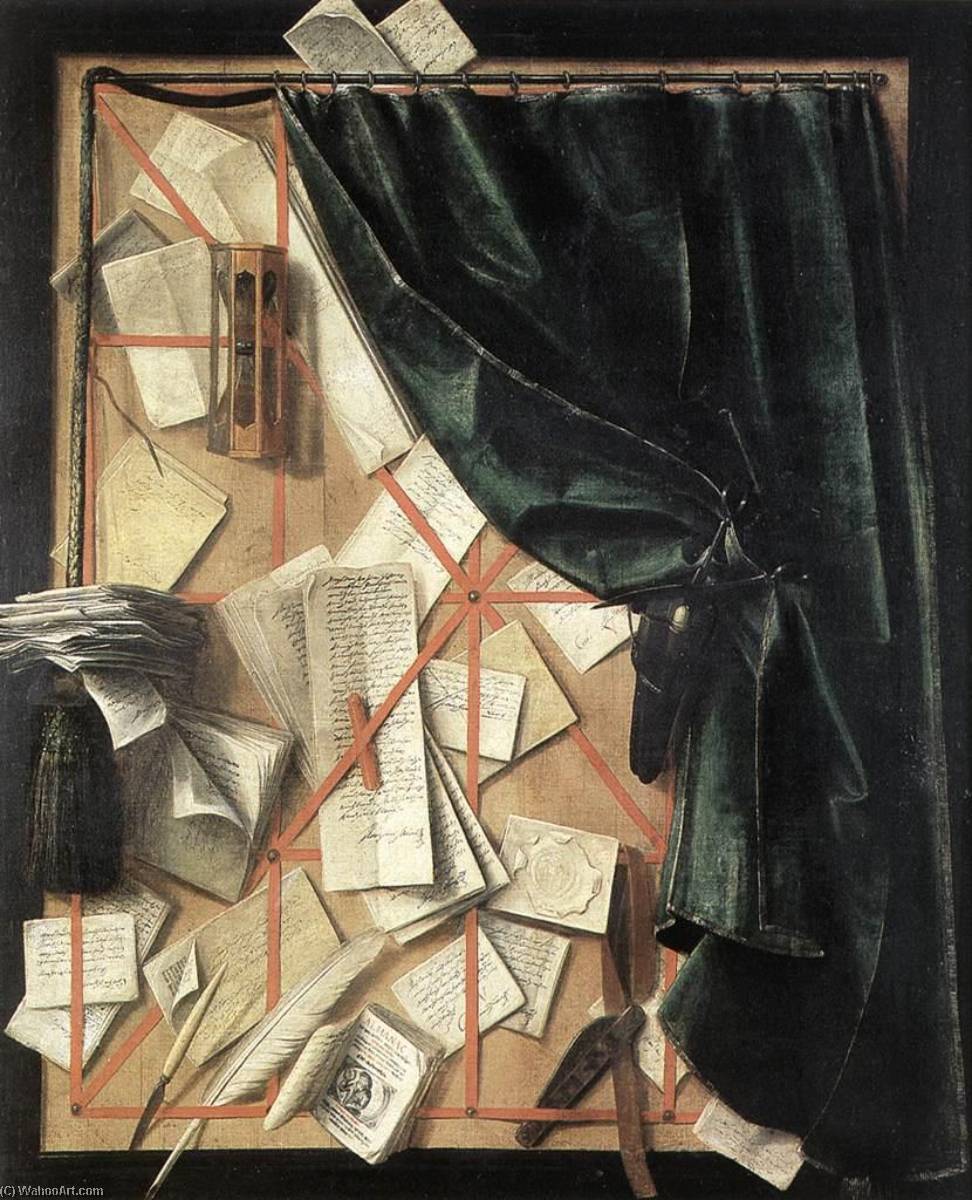
Trompe l'oeil
 1019.0 x 834.0 cm
 Read More
Purchase a high-resolution, enhanced digital image, far superior to the online preview.
Each file is meticulously prepared by our in-house specialists using advanced tools and expert manual retouching. We ensure every image has exceptional clarity, precise color accuracy, and fine detail.
The final file is delivered via email within 72 hours, optimized for immediate use in professional, editorial, and print environments. This is the same quality trusted by top-tier design studios, publishers, and galleries.
Digital Image
Download a high-resolution file for personal display, printing, and creative projects. ( Buy Print Buy Hand Made Painting)
Included in Every Digital Image Order
Expert Digital Delivery, Guaranteed
When you choose ArtsDot.com, you're not just getting an image - you're receiving a professionally enhanced digital artwork, crafted with precision and backed by a satisfaction guarantee. Here's everything that comes with your order, automatically:

Fast Email Delivery
Your high-resolution digital image file will be emailed to you within 72 hours of ordering - ready for immediate use.

AI-Enhanced Digital File
Your artwork is professionally optimized using advanced AI tools and manual editing, ensuring maximum detail, clarity, and color accuracy.

Free Lifetime Re-Delivery
Accidentally deleted or lost your file? No worries - we'll resend it to you anytime, free of charge.

No Import Fees - Ever
Enjoy your artwork instantly with zero customs, duties, or delivery fees - digital downloads are always tax-free.

Color Accuracy Guarantee
We ensure your digital image reflects the original colors as closely as possible using professional tools and color management.

60-Day Satisfaction Guarantee
If you're not satisfied with your digital image, we'll revise it or refund 100% within 60 days - no questions asked.

100% Money-Back Guarantee
Not satisfied? Get a full refund within 60 days of receiving your digital file - no questions asked.

Bulk Order Discounts
Buy 3 images, save 10% - Buy 5, save 15% - Buy 10+, save 20%. Great for creative projects, galleries, and agencies.
Related Artworks
Artist Biography
The Architect of Illusion: The Enigmatic Life of Cornelis Norbertus Gijsbrechts
In the grand, sweeping tapestry of the seventeenth century, where the Dutch Golden Age cast its brilliant light across Europe, few artists possessed the power to manipulate reality as profoundly as Cornelis Norbertus Gijsbrechts. An enigmatic figure shrouded in much of the historical mist that clings to the era, Gijsbrechts remains a master of the unexpected. To look upon his work is not merely to view a painting, but to enter into a psychological game with the artist himself—a game where the boundaries between the canvas and the physical world are intentionally blurred. Though precise biographical details regarding his birth and early years remain frustratingly elusive, his presence in the art historical canon is undeniable, marked by a technical virtuosity that sought to deceive the very eye of the beholder.
Born around 1640, likely in the vibrant artistic hub of Antwerp, Gijsbrechts was born into a lineage of visual trickery. It is widely believed that he was heavily influenced by his father, Franciscus Gysbrechts, a painter who also specialized in the delicate art of trompe l'œil. This early immersion in the mechanics of perspective and the subtle interplay of light and shadow provided the foundation for a career defined by optical deception. As he matured, his reputation expanded far beyond the borders of the Spanish Netherlands; his travels and professional engagements took him through Germany, Denmark, and Sweden, eventually leading to his prestigious appointment as a court painter to the Danish royal family. This mobility allowed his unique brand of illusionistic art to permeate the courts of Europe, bringing a sense of wonder and intellectual curiosity to the most refined circles of the age.
Mastery of the Deceptive Surface
The true genius of Gijsbrechts lies in his unparalleled command of trompe l'œil, a genre that demands an almost superhuman attention to detail. Unlike traditional portraiture or landscape painting, which aim to represent a subject, Gijsbrechts aimed to manifest it. He utilized the most sophisticated techniques of his time—layering thin, translucent glazes and mastering the precise physics of light—to create objects that appeared to sit atop the canvas rather than being trapped within it. Whether it was the texture of a weathered wooden frame, the delicate curl of a piece of parchment, or the heavy weight of a hanging wall pouch, his brushwork breathed life into inanimate matter.
His work often intersected with the profound themes of Vanitas, a genre deeply rooted in the seventeenth-century preoccupation with mortality and the fleeting nature of earthly existence. In these compositions, Gijsbrechts would weave together symbols of transience—skulls, extinguished candles, or decaying fruit—with his signature illusions. This created a hauntingly beautiful paradox: while the viewer was mesmerized by the hyper-realistic presence of the objects, they were simultaneously reminded of their own inevitable decay. The technical brilliance of his "tricks" served a higher spiritual purpose, forcing the observer to confront the fragility of perception and the ephemeral nature of life itself.
A Legacy Written in Shadows and Light
The historical significance of Cornelis Norbertus Gijsbrechts extends beyond the mere novelty of his illusions. He was a pioneer who pushed the limits of what oil paint could achieve, transforming the flat surface of a panel into a multidimensional stage. His ability to engage the viewer's senses—triggering a tactile response through purely visual stimuli—remains one of the most sophisticated achievements in Baroque art. Even as scholars continue to piece together the fragmented timeline of his life, his artistic legacy remains vibrant and unshakeable.
To study Gijsbrechts is to appreciate the following contributions to the history of art:
- The Refinement of Trompe l'Oeil: He elevated a niche technique into a sophisticated medium for philosophical inquiry.
- Integration of Vanitas Themes: He successfully merged high-level optical illusion with the profound moralizing traditions of the Dutch and Flemish masters.
- Cultural Influence: Through his service to the Danish court, he acted as a conduit for Flemish stylistic innovations across Northern Europe.
- Exploration of Materiality: His work challenged the very definition of painting, forcing audiences to question the authenticity of their own visual experiences.
Though his life ended sometime after 1675, leaving behind many unanswered questions about his final years, Gijsbrechts left an indelible mark on the art world. He remains a master of the beautiful lie, an artist who used the tools of deception to reveal deeper truths about the human condition and the deceptive nature of reality.
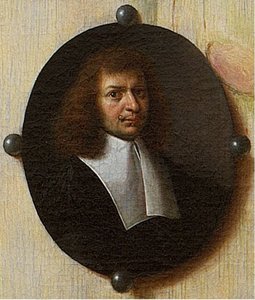
Cornelis Norbertus Gijsbrechts
1640 - 1675
Quick Facts
- Artistic Movement Or Style: Trompe l'œil & Baroque
- Artists Or Movements Influenced By This Artist: ['']
- Artists Who Influenced This Artist: ['Franciscus Gysbrechts']
- Date Of Death: after 1675
- Full Name: Cornelis Norbertus Gijsbrechts
- Nationality: Flemish
- Notable Artworks:
- Still Life with Self Portrait
- Reverse side of a painting

