 Preview
 Send
Send Share
Share
 Details

 Download
 Similars
 X-Ray
X-Ray Diaporama
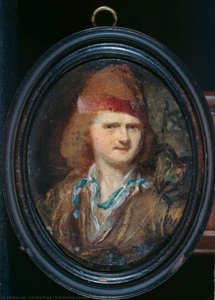
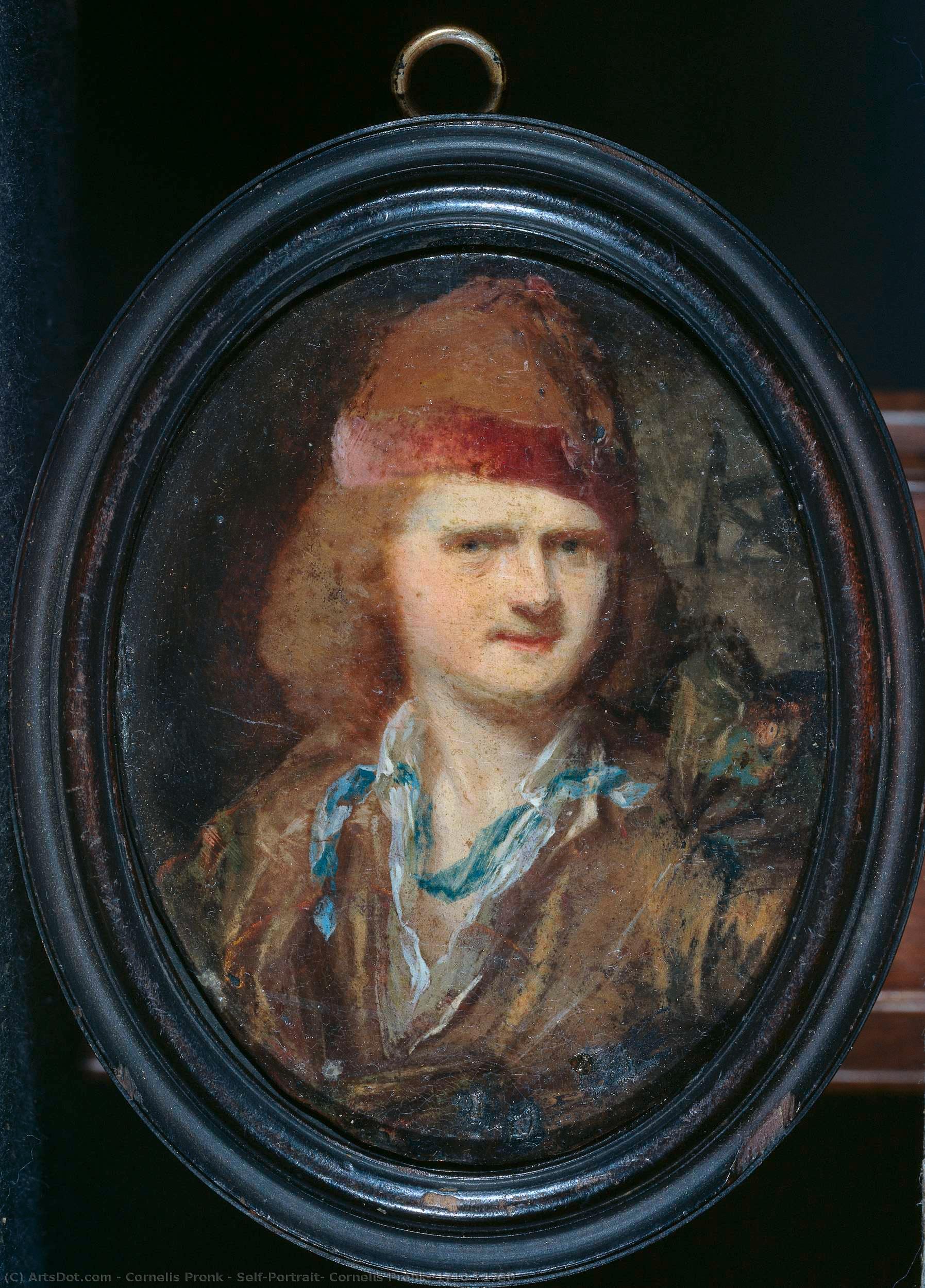
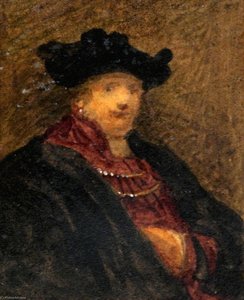
Self-Portrait, Cornelis Pronk, 1710 - 1730
 1730
1730 9.0 x 7.0 cm
 Read More
Hand Made Oil Reproduction
Hand-painted oil on canvas in your size and frame, made to order by our artists. ( Buy Print Buy Image)




































Pick from our preset sizes that match the artwork's original proportions.

You may enter your own dimensions to fit a specific frame or space. If your selected size does not match the original image's proportions, we will either crop the artwork or extend the painting with additional hand-painted elements. A digital mockup will be sent for your approval before production begins.
Please note that the on-screen preview does not reflect the actual cropping or extension. Only the mockup will accurately show the final composition.
While custom sizes are available, we recommend selecting a dimension from the predefined list to preserve the original proportions.
After order, ArtsDot.com team will email client for instructions and provide a mockup preview
Worldwide Delivery () in 3/4 weeks instead of standard 5 weeks. (26 August). No compromise on quality.

Free Worldwide Express Shipping

High-Quality Linen Canvas

Full Shipping Insurance

Customs Tax Refund Guarantee

True Color Matching Guarantee

60-Day Return Policy (Defects Only)

100% Money-Back Guarantee

Bulk Discount Offer
 Glass option is only available in size under 110 CM

Self-Portrait, Cornelis Pronk, 1710 - 1730
Reproduction Medium
Reproduction Size
-


Total Price
$ 263
Artwork Description
Related Artworks






Artist Biography
Giovanni Paolo Panini: The Architect of Rome’s Dreams
Giovanni Paolo Panini (1691-1765) stands as a singular figure in the history of art, a master of illusion and perspective who fundamentally reshaped our understanding of Roman antiquity. Born in Piacenza, Italy, he initially trained as a *quadraturista*, a specialist in architectural decoration – a skill that would profoundly influence his later work. However, Panini’s true legacy lies not in the meticulous application of geometric principles to buildings, but in his breathtakingly detailed and often fantastical depictions of Rome's ruins, palaces, and public spaces. He wasn’t merely a painter of views; he was an architect of dreams, meticulously constructing imagined realities that blurred the lines between observation and invention. Panini’s early career saw him working primarily as a *vedutista*, creating scenes for wealthy travelers on their Grand Tours of Europe. These commissions demanded a keen eye for detail and an understanding of perspective – skills he honed through apprenticeships with Francesco Galli-Bibiena, a stage designer known for his theatrical illusions, and the influential Pietro da Cortona. Crucially, Panini’s training in stage design instilled within him a deep appreciation for creating convincing illusions, a trait that would become central to his artistic practice. He quickly established himself in Rome, becoming a sought-after decorator for grand palaces like the Villa Patrizi and Palazzo de Carolis, demonstrating an early mastery of color, composition, and architectural detail. His work during this period showcased a burgeoning talent for capturing the grandeur and opulence of Roman aristocratic life. However, it was Panini’s fascination with ruins that truly set him apart. Unlike earlier artists who simply sketched or painted existing ruins, Panini actively reimagined them, incorporating elements of classical mythology, architectural fantasies, and even contemporary Rome into his compositions. He didn't just record what *was*; he depicted what *could have been*, what *might be*, and what *never was*. This approach is vividly illustrated in works like “The Lottery Draw in Piazza di Montecitorio,” a vibrant scene teeming with figures engaged in a public ceremony, seamlessly integrated into a backdrop of crumbling columns and ancient facades. This blending of reality and invention became his signature style, earning him comparisons to Hubert Robert and Piranesi – artists who similarly explored the interplay between observation and imagination. Panini’s influence extended far beyond Italy. He was appointed as an honorary member of the Académie Royale de Peinture et de Sculpture in Paris in 1754, a remarkable recognition for a foreigner at that time. This honor underscored his reputation as a leading figure in European art, particularly among French artists who were captivated by his innovative approach to *veduta* painting. His meticulous studies of perspective and architectural detail provided invaluable lessons to generations of painters, shaping the development of landscape and cityscape genres throughout Europe. He taught at the French Academy in Rome, disseminating his techniques and fostering a new generation of *vedutisti*. Despite his fame and influence, Panini’s life was marked by a restless pursuit of knowledge and artistic perfection. He spent considerable time studying ancient texts and architectural treatises, meticulously documenting Roman ruins and constructing detailed drawings to aid in his painting process. His work is characterized by an almost obsessive attention to detail – the texture of stone, the folds of drapery, the expressions on faces – all rendered with astonishing accuracy. His later works often feature a dreamlike quality, as if he were transporting viewers into a realm where time and space are fluid and imagination reigns supreme. Giovanni Paolo Panini’s legacy endures not just for his stunning visual creations but also for his profound contribution to the art of illusion and the enduring fascination with Rome's past.Key Works & Techniques
- The Pantheon (1738): Perhaps Panini’s most famous work, this painting offers a meticulously rendered interior view of the Pantheon, showcasing his mastery of perspective and his ability to capture the grandeur of ancient architecture. The addition of figures and architectural details creates an illusion of depth and scale that is both captivating and convincing.
- The Lottery Draw in Piazza di Montecitorio (1747): A vibrant scene depicting a public lottery, Panini seamlessly integrates contemporary Roman life into the backdrop of ancient ruins, demonstrating his ability to blend reality and invention with remarkable skill.
- Views of Palaces: Many of Panini’s most celebrated works depict the interiors of grand palaces in Rome, showcasing his expertise in architectural decoration and his understanding of luxurious Roman design. These paintings offer a glimpse into the opulent lifestyles of the city's elite.
Influences & Artistic Connections
- Francesco Galli-Bibiena: Panini’s early training under Galli-Bibiena, a stage designer known for his theatrical illusions, profoundly influenced his approach to painting. Galli-Bibiena's emphasis on creating convincing visual effects instilled in Panini a deep appreciation for the power of illusion.
- Pietro da Cortona: As a contemporary and rival, Pietro da Cortona’s work also exerted an influence on Panini, particularly his use of color and composition.
- Hubert Robert & Piranesi: Panini shared a kinship with these other *vedutisti*, all of whom explored the interplay between observation and imagination in their depictions of Rome’s ruins.
Historical Significance
Panini's work represents a pivotal moment in the history of landscape painting. He moved beyond mere topographical representation, transforming the *veduta* genre into a sophisticated form of historical and architectural speculation. His meticulous studies of perspective and his imaginative reconstructions of Roman antiquity profoundly influenced subsequent generations of artists, shaping the development of landscape and cityscape genres throughout Europe. He essentially created a new visual language for representing the past, one that continues to fascinate and inspire viewers today.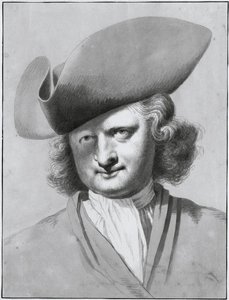
cornelis pronck
1691 - 1759 , Netherlands
Quick Facts
- Artistic Movement Or Style: Vedutista
- Artists Or Movements Influenced By This Artist:
- Piranesi
- Hubert Robert
- Artists Who Influenced This Artist: ['Francesco Galli-Bibiena']
- Date Of Birth: 1691
- Date Of Death: 1765
- Full Name: Giovanni Paolo Panini
- Nationality: Italian
- Notable Artworks:
- Pantheon (Rome)
- Lottery Draw (Rome)
- Place Of Birth: Piacenza, Italy