

 Preview
 Send
Send Share
Share
 Details

 Download
 Similars
 X-Ray
X-Ray Diaporama
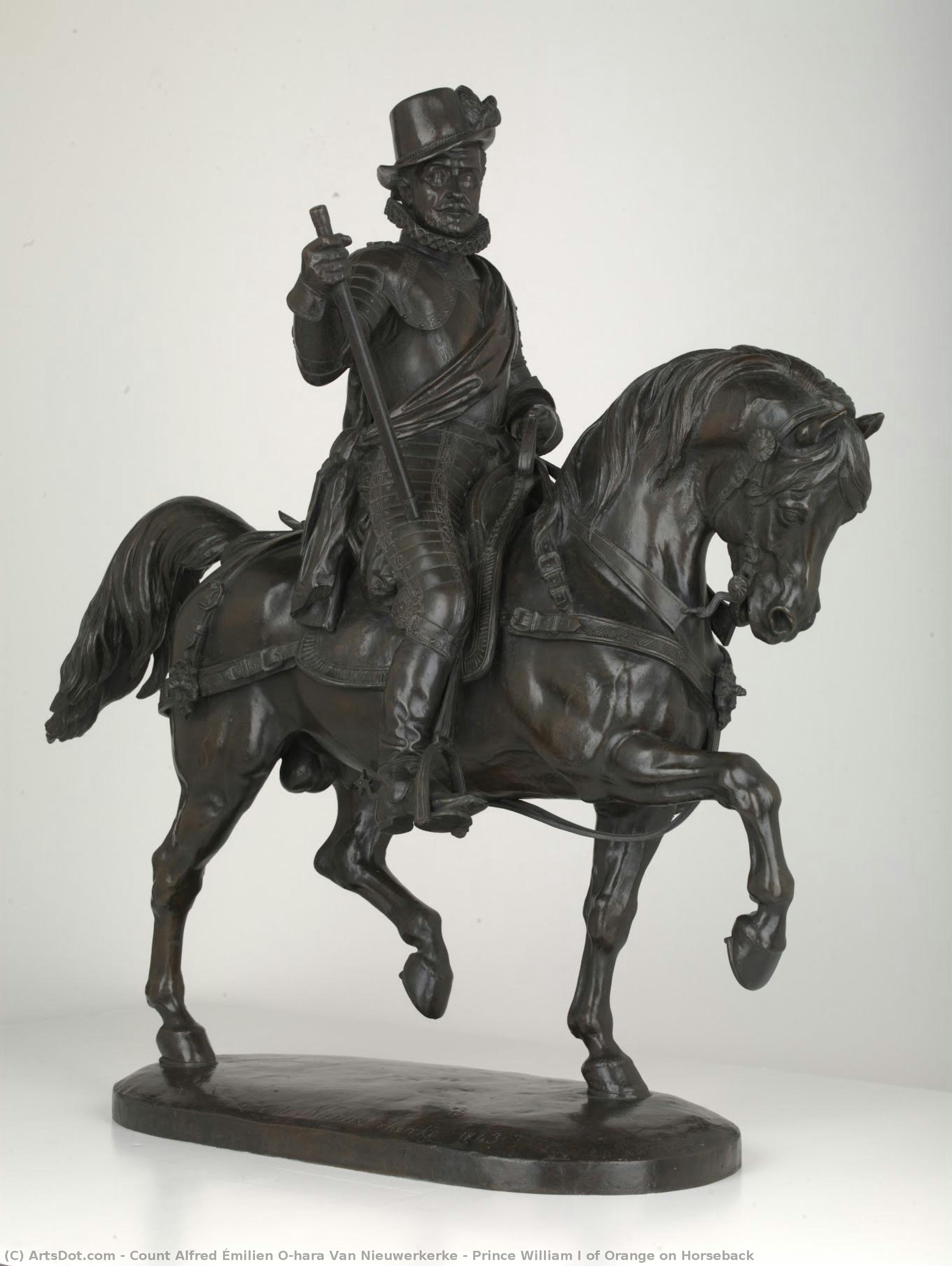
Prince William I of Orange on Horseback


 Read More
Purchase a high-resolution, enhanced digital image, far superior to the online preview.
Each file is meticulously prepared by our in-house specialists using advanced tools and expert manual retouching. We ensure every image has exceptional clarity, precise color accuracy, and fine detail.
The final file is delivered via email within 72 hours, optimized for immediate use in professional, editorial, and print environments. This is the same quality trusted by top-tier design studios, publishers, and galleries.
Digital Image
Download a high-resolution file for personal display, printing, and creative projects. ( Buy Print Buy Hand Made Painting)
Included in Every Digital Image Order
Expert Digital Delivery, Guaranteed
When you choose ArtsDot.com, you're not just getting an image - you're receiving a professionally enhanced digital artwork, crafted with precision and backed by a satisfaction guarantee. Here's everything that comes with your order, automatically:

Fast Email Delivery
Your high-resolution digital image file will be emailed to you within 72 hours of ordering - ready for immediate use.

AI-Enhanced Digital File
Your artwork is professionally optimized using advanced AI tools and manual editing, ensuring maximum detail, clarity, and color accuracy.

Free Lifetime Re-Delivery
Accidentally deleted or lost your file? No worries - we'll resend it to you anytime, free of charge.

No Import Fees - Ever
Enjoy your artwork instantly with zero customs, duties, or delivery fees - digital downloads are always tax-free.

Color Accuracy Guarantee
We ensure your digital image reflects the original colors as closely as possible using professional tools and color management.

60-Day Satisfaction Guarantee
If you're not satisfied with your digital image, we'll revise it or refund 100% within 60 days - no questions asked.

100% Money-Back Guarantee
Not satisfied? Get a full refund within 60 days of receiving your digital file - no questions asked.

Bulk Order Discounts
Buy 3 images, save 10% - Buy 5, save 15% - Buy 10+, save 20%. Great for creative projects, galleries, and agencies.
Related Artworks





Artist Biography
A Life Sculpted in Stone and Society: Count Alfred Émilien van Nieuwerkerke
Count Alfred Émilien O'Hara van Nieuwerkerke, a name perhaps less familiar than those of his sculptural contemporaries, nonetheless occupies a fascinating position within the artistic and social landscape of 19th-century France. Born in Paris in 1811, he was a man of multifaceted talents – sculptor, civil servant, and a figure deeply entwined with the romantic intrigues of the Second Empire. His lineage itself speaks to a complex heritage; descended from a Dutch family with roots tracing back to an illegitimate son of a stadthouder, van Nieuwerkerke embodied a blend of aristocratic tradition and a certain outsider status that perhaps fueled his ambition and artistic sensibility.
Van Nieuwerkerke’s early life was marked by shifts in political fortune. Educated initially for a military career within the royal cavalry, he abandoned this path following the July Revolution of 1830, a decision indicative of his staunch legitimist beliefs. This period of transition proved pivotal, leading him towards an unexpected passion: sculpture. A six-month sojourn to Italy in 1834 ignited this newfound fervor, exposing him to the grandeur of ancient forms and introducing him to influential sculptors like Félicie de Chauveau. He subsequently apprenticed under both Pradier and Carlo Marochetti, honing his skills and laying the foundation for a career that would see him undertake significant official commissions.
From Salon Busts to Imperial Monuments
Van Nieuwerkerke’s artistic debut came in 1842 with a marble bust of Comte Charles de Ganay exhibited at the Paris Salon. This marked the beginning of his public recognition, though it was his subsequent role as a high-level civil servant under Napoleon III that truly propelled him into the heart of Parisian society. His administrative position afforded him access to patronage and opportunities unavailable to many artists of the time. However, van Nieuwerkerke wasn’t merely a beneficiary of circumstance; he possessed genuine talent and a distinctive style. He quickly became known for his majestic presence and refined manner – earning him the nickname “the beautiful Batavian.”
His most celebrated work, “Prince William I of Orange on Horseback,” exemplifies his sculptural prowess. This equestrian statue, though not as widely recognized as some of his contemporaries’ works, demonstrates a mastery of form and movement. The sculpture captures the power and authority of its subject, reflecting van Nieuwerkerke's ability to translate historical figures into compelling three-dimensional representations. Beyond this notable piece, he undertook numerous commissions for public spaces, contributing significantly to the evolving aesthetic of Paris during the Second Empire.
A Patron of the Arts and a Romantic Liaison
Van Nieuwerkerke’s influence extended beyond his own artistic creations. He became a respected figure within Parisian salons, known for his discerning eye and support of emerging artists. His home served as a gathering place for intellectuals, writers, and members of the aristocracy, fostering a vibrant exchange of ideas and artistic expression. However, it is perhaps his personal life that adds another layer of intrigue to his biography.
Following a brief and unhappy marriage, van Nieuwerkerke embarked on a long-term relationship with Princess Mathilde Bonaparte, Napoleon I’s granddaughter. Their connection, which began after Princess Mathilde's estrangement from her husband Anatoly Nikolaievich Demidov, 1st Prince of San Donato, was a subject of considerable societal gossip and fascination. The princess, a prominent figure in Parisian high society, became a devoted patron of van Nieuwerkerke’s work, further solidifying his position within the artistic elite. This relationship, while controversial, undoubtedly provided him with both emotional support and invaluable access to influential circles.
Legacy and Historical Significance
Count Alfred Émilien van Nieuwerkerke passed away in 1892 in Gattaiola, Italy, leaving behind a legacy that is perhaps more nuanced than immediately apparent. He was not a revolutionary artist pushing the boundaries of sculptural form; rather, he was a skilled craftsman who excelled at capturing historical and aristocratic subjects with elegance and precision. His work reflects the prevailing aesthetic tastes of his time – a blend of Neoclassical grandeur and Romantic sensibility.
His significance lies not only in his sculptures but also in his role as a cultural intermediary, bridging the gap between artistic creation and political power. He was a man who navigated the complexities of 19th-century French society with grace and ambition, leaving an indelible mark on the artistic landscape of his era. While perhaps overshadowed by more celebrated figures, van Nieuwerkerke’s story offers a compelling glimpse into the lives of those who shaped the cultural fabric of the Second Empire.

count alfred émilien o'hara van nieuwerkerke
1811 - 1892 , France
Quick Facts
- Artistic Movement Or Style: Gothic Renaissance Art
- Artists Who Influenced This Artist:
- Félicie de Chauveau
- Pradier
- Carlo Marochetti
- Date Of Birth: 1811
- Date Of Death: 1892
- Full Name: Alfred Émilien O'Hara van Nieuwerkerke
- Nationality: French
- Notable Artworks: ['Prince William I of Orange']
- Place Of Birth: Paris, France

