

 Preview
 Send
Send Share
Share
 Details

 Download
 Similars
 X-Ray
X-Ray Diaporama
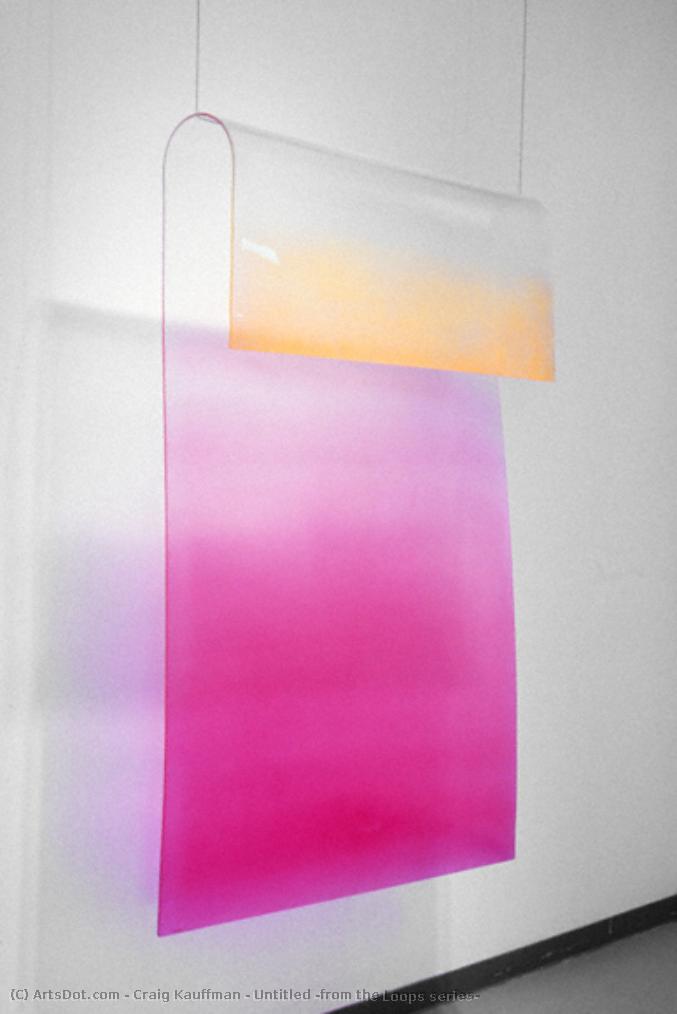
Untitled (from the Loops series)


 Read More
Purchase a high-resolution, enhanced digital image, far superior to the online preview.
Each file is meticulously prepared by our in-house specialists using advanced tools and expert manual retouching. We ensure every image has exceptional clarity, precise color accuracy, and fine detail.
The final file is delivered via email within 72 hours, optimized for immediate use in professional, editorial, and print environments. This is the same quality trusted by top-tier design studios, publishers, and galleries.
Digital Image
Download a high-resolution file for personal display, printing, and creative projects. ( Buy Print Buy Hand Made Painting)
Included in Every Digital Image Order
Expert Digital Delivery, Guaranteed
When you choose ArtsDot.com, you're not just getting an image - you're receiving a professionally enhanced digital artwork, crafted with precision and backed by a satisfaction guarantee. Here's everything that comes with your order, automatically:

Fast Email Delivery
Your high-resolution digital image file will be emailed to you within 72 hours of ordering - ready for immediate use.

AI-Enhanced Digital File
Your artwork is professionally optimized using advanced AI tools and manual editing, ensuring maximum detail, clarity, and color accuracy.

Free Lifetime Re-Delivery
Accidentally deleted or lost your file? No worries - we'll resend it to you anytime, free of charge.

No Import Fees - Ever
Enjoy your artwork instantly with zero customs, duties, or delivery fees - digital downloads are always tax-free.

Color Accuracy Guarantee
We ensure your digital image reflects the original colors as closely as possible using professional tools and color management.

100-Day Satisfaction Guarantee
If you're not satisfied with your digital image, we'll revise it or refund 100% within 100 days - no questions asked.

100% Money-Back Guarantee
Not satisfied? Get a full refund within 100 days of receiving your digital file - no questions asked.

Bulk Order Discounts
Buy 3 images, save 10% - Buy 5, save 15% - Buy 10+, save 20%. Great for creative projects, galleries, and agencies.
Related Artworks








Artist Biography
Early Life and Artistic Beginnings
Craig Kauffman, born in Los Angeles on March 31st, 1932, emerged as a significant figure in the California art scene of the mid-20th century. His early life was steeped in an environment that would later profoundly influence his artistic trajectory. Though not formally trained in traditional methods, Kauffman’s innate curiosity and experimentation led him to explore various materials and techniques from a young age. He began exhibiting his work remarkably early, in 1951, demonstrating a precocious talent and a clear vision for abstract form. This initial foray into the art world wasn't rooted in academic pursuit but rather in a self-directed exploration of color, shape, and space—a characteristic that would define his entire career. The post-war Los Angeles landscape, with its burgeoning aerospace industry and optimistic embrace of new technologies, provided an unspoken backdrop to Kauffman’s developing aesthetic. He wasn't necessarily *inspired* by the technology itself, but rather attuned to the spirit of innovation and the possibilities inherent in synthetic materials.The Rise of Light and Space
Kauffman is most prominently associated with the Light and Space movement, a California-based artistic trend that flourished during the 1960s and early 70s. This movement, characterized by its emphasis on perceptual experience and the manipulation of light, color, and form, found fertile ground in Southern California’s unique climate and cultural context. Kauffman's contribution to this aesthetic was particularly striking: he pioneered the use of vacuum-formed plastic sculptures, often brightly colored and imbued with a sense of ethereal lightness. These weren’t simply objects; they were carefully calibrated environments designed to interact with light and shadow, creating an immersive experience for the viewer. He moved away from traditional sculptural materials like bronze or stone, embracing acrylics and resins that allowed him to achieve unprecedented levels of translucency and vibrancy. The sculptures often took on biomorphic shapes—suggesting organic forms while remaining resolutely abstract. This tension between natural suggestion and industrial fabrication became a hallmark of his style.Technique and Materials: A Synthesis of Art and Industry
The technical process behind Kauffman’s work was as crucial to its impact as the final form itself. He employed vacuum forming, a technique borrowed from the plastics industry, to create large-scale sculptures with thin, delicate shells. This involved heating sheets of acrylic plastic until they became pliable and then drawing them over molds using a vacuum pump. The resulting forms were often surprisingly complex, exhibiting subtle curves and undulations that defied their seemingly simple construction. The choice of materials wasn’t arbitrary; Kauffman was fascinated by the inherent qualities of plastics—their ability to reflect light, their smooth surfaces, and their potential for vibrant coloration. He meticulously controlled every aspect of the process, from the selection of pigments to the final polishing of the sculptures. This dedication to craftsmanship ensured that each piece possessed a unique luminosity and tactile quality. The industrial nature of his technique also subtly challenged traditional notions of artistic authorship, blurring the lines between art and production.Major Achievements and Institutional Recognition
Throughout his career, Craig Kauffman’s work garnered significant critical acclaim and institutional recognition. His sculptures were included in over twenty major museum collections worldwide, a testament to their enduring impact on contemporary art. Notable institutions housing his pieces include the Museum of Modern Art (MoMA) in New York, the Whitney Museum of American Art, the Tate Modern in London, and the Los Angeles County Museum of Art (LACMA). He exhibited extensively both nationally and internationally, solidifying his position as a leading figure in the Light and Space movement. Beyond individual exhibitions, Kauffman’s work played a pivotal role in shaping the broader discourse surrounding abstract sculpture and perceptual art. His influence can be seen in the work of numerous subsequent artists who have explored similar themes of light, space, and materiality. He continued to refine his artistic vision until his death in 2010, leaving behind a legacy of innovative sculptures that continue to captivate and inspire.Historical Significance and Lasting Legacy
Craig Kauffman’s historical significance lies not only in his pioneering use of materials but also in his ability to capture the spirit of an era—a time marked by technological optimism, a fascination with space exploration, and a growing awareness of perceptual experience. He helped redefine the boundaries of sculpture, moving away from traditional notions of mass and volume towards a more ephemeral and immersive aesthetic.- His work challenged viewers to reconsider their relationship to art, emphasizing the importance of sensory perception.
- Kauffman’s sculptures anticipated many of the key themes that would come to define contemporary art in the decades following his rise to prominence—including minimalism, abstraction, and site-specificity.
- The lasting legacy of Craig Kauffman is evident in the continued relevance of his work and its influence on subsequent generations of artists.

craig kauffman
1932 - 2010 , United States of America
Quick Facts
- Artistic Movement Or Style: Light and Space Art
- Date Of Birth: March 31, 1932
- Date Of Death: May 9, 2010
- Full Name: Craig Kauffman
- Nationality: American
- Place Of Birth: Los Angeles, USA