

 Preview
 Send
Send Share
Share
 Details

 Download
 Similars
 X-Ray
X-Ray Diaporama
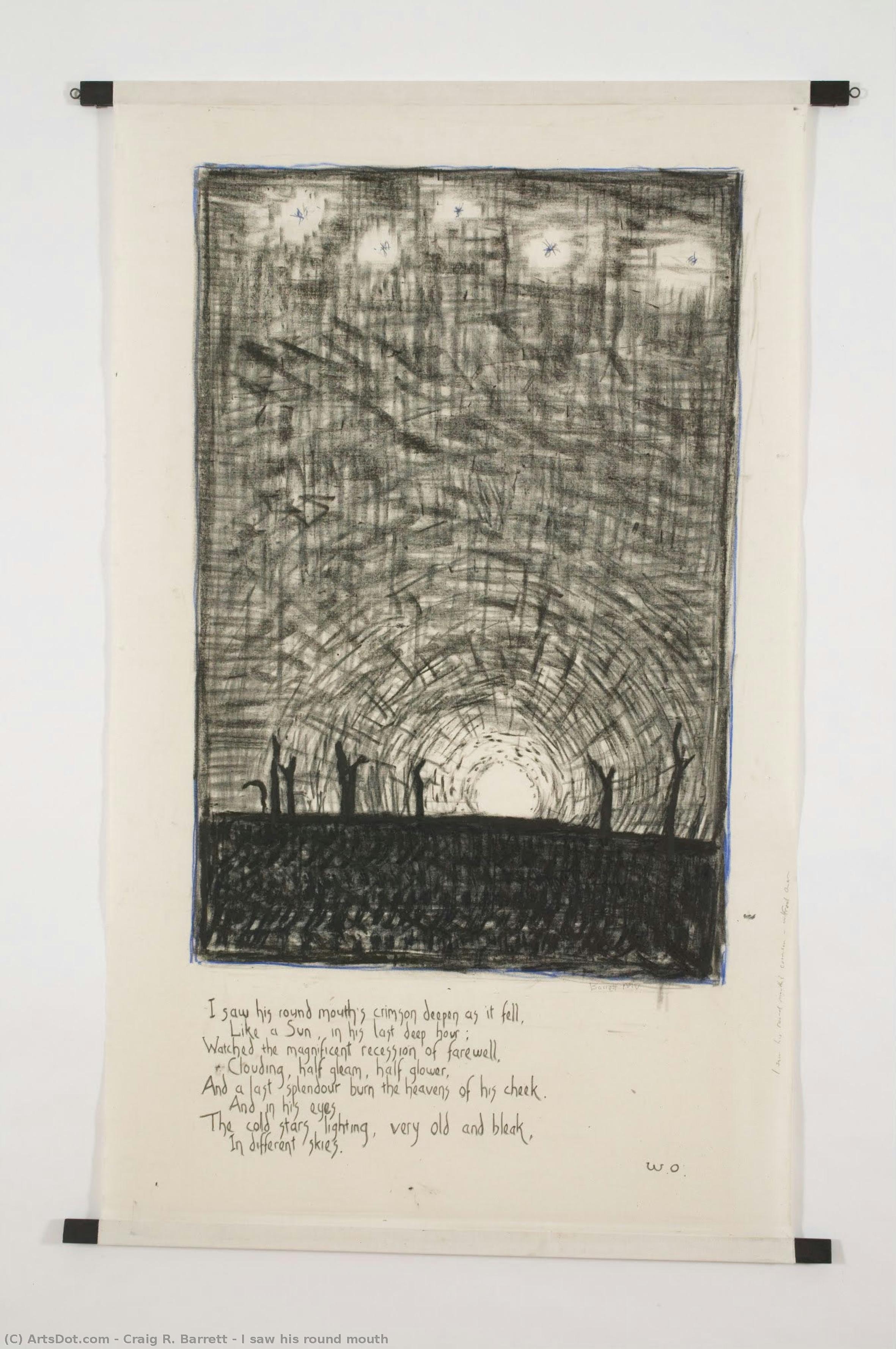
I saw his round mouth
 Acrylic
- WallArt
- Contemporary Realism
 150.0 x 90.0 cm
 Shrine of Remembrance
 Read More
Purchase a high-resolution, enhanced digital image, far superior to the online preview.
Each file is meticulously prepared by our in-house specialists using advanced tools and expert manual retouching. We ensure every image has exceptional clarity, precise color accuracy, and fine detail.
The final file is delivered via email within 72 hours, optimized for immediate use in professional, editorial, and print environments. This is the same quality trusted by top-tier design studios, publishers, and galleries.
Digital Image
Download a high-resolution file for personal display, printing, and creative projects. ( Buy Print Buy Hand Made Painting)
Included in Every Digital Image Order
Expert Digital Delivery, Guaranteed
When you choose ArtsDot.com, you're not just getting an image - you're receiving a professionally enhanced digital artwork, crafted with precision and backed by a satisfaction guarantee. Here's everything that comes with your order, automatically:

Fast Email Delivery
Your high-resolution digital image file will be emailed to you within 72 hours of ordering - ready for immediate use.

AI-Enhanced Digital File
Your artwork is professionally optimized using advanced AI tools and manual editing, ensuring maximum detail, clarity, and color accuracy.

Free Lifetime Re-Delivery
Accidentally deleted or lost your file? No worries - we'll resend it to you anytime, free of charge.

No Import Fees - Ever
Enjoy your artwork instantly with zero customs, duties, or delivery fees - digital downloads are always tax-free.

Color Accuracy Guarantee
We ensure your digital image reflects the original colors as closely as possible using professional tools and color management.

60-Day Satisfaction Guarantee
If you're not satisfied with your digital image, we'll revise it or refund 100% within 60 days - no questions asked.

100% Money-Back Guarantee
Not satisfied? Get a full refund within 60 days of receiving your digital file - no questions asked.

Bulk Order Discounts
Buy 3 images, save 10% - Buy 5, save 15% - Buy 10+, save 20%. Great for creative projects, galleries, and agencies.
Collectible Description
Craig R. Barrett’s Dual Life: From Silicon Valley Innovator to Somber Sketch Artist
Craig R. Barrett's artistic journey stands as a remarkable testament to the human spirit—a captivating paradox woven from threads of technological brilliance and profound emotional sensitivity. Born in San Francisco in 1939, his formative years were steeped in scientific rigor at Stanford University, where he earned a doctorate in materials science. This grounding in precision and observation would subtly yet powerfully influence his later artistic endeavors, shaping his vision of the world and informing his creative process. Yet, beyond the boardroom and laboratory, Barrett harbored an enduring passion for capturing the essence of human experience through evocative monochrome sketches—a dedication that speaks volumes about his inner life and artistic sensibilities.- Early Influences: Barrett’s fascination with art began during his undergraduate studies at Stanford, where he was drawn to the expressive power of visual mediums. This initial exposure fostered a lifelong appreciation for craftsmanship and detail, qualities that would become central to his artistic style.
- A Career in Technology: His subsequent career as CEO at Intel Corporation cemented his reputation as a visionary leader—a figure synonymous with innovation and strategic foresight. Under Barrett’s stewardship, Intel navigated the turbulent waters of the dot-com era and established itself as a global powerhouse, leaving an indelible mark on the landscape of Silicon Valley.
- The Shift to Art: Despite his professional accomplishments, Barrett never abandoned his artistic pursuits. He found solace and inspiration in capturing fleeting moments of beauty and sorrow—a deliberate counterpoint to the demands of corporate life that underscored his multifaceted personality.
“I Saw His Round Mouth”: A Poetic Reflection on Remembrance
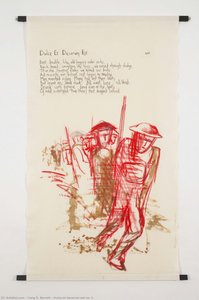
The artwork itself, titled “I Saw His Round Mouth,” embodies Barrett’s artistic vision—a masterful blend of simplicity and depth that resonates with themes of loss, resilience, and the enduring power of memory. Created specifically for the Shrine of Remembrance's Hall of Columns undercroft, it comprises 26 banners inspired by Wilfred Owen and Siegfried Sassoon’s poignant poetry from World War I. These poets skillfully conveyed powerful images through words from their camps, trenches, and hospitals—capturing both the horrors of combat and the profound human cost of war. Barrett sought to honor his grandfather and three great-uncles who fought on the Western Front as part of the Australian Imperial Force (AIF)—one of whom, George Loader, tragically perished in action on August 28, 1918.- Style & Technique: The artwork’s monochrome palette—primarily shades of gray—serves as a deliberate stylistic choice, mirroring the solemn atmosphere of remembrance and emphasizing the emotional core of the piece. Barrett employs a minimalist approach, prioritizing form and composition over elaborate ornamentation.
- Symbolism: Each banner depicts a stylized figure—representing soldiers enduring the hardships of war—and incorporates evocative imagery drawn from Owen’s poetry. The recurring motif of a falling leaf symbolizes the inevitable decline of life and underscores the poignant beauty found in accepting mortality.
- Poetic Resonance: Barrett's artistic endeavor is inextricably linked to Sassoon's poetic exploration of trauma and grief. Owen’s poem “Dulce et Decorum Est” describes the fatal terror following a poison gas attack—a harrowing depiction of suffering that confronts viewers with the brutal realities of wartime experience.
Beyond Form: Exploring Themes of Courage and Resilience
The artwork's overarching message transcends mere visual representation; it delves into profound philosophical considerations about courage, resilience, and the importance of honoring those who have sacrificed for their nations. Barrett’s artistic vision reflects a deep understanding of human psychology—acknowledging that confronting difficult emotions is essential to fostering empathy and compassion. The artist seeks in this work to express a belief that all matter belongs to a cycle of creation and destruction—a perspective informed by both scientific observation and spiritual contemplation.- Emotional Impact: “I Saw His Round Mouth” evokes a palpable sense of melancholy and reverence—drawing viewers into a contemplative dialogue about the legacy of war and the enduring human capacity for compassion.
- Connection to Literature: Barrett’s artistic inspiration stems directly from Owen's poetry, which confronts readers with uncomfortable truths about the psychological toll of combat—challenging conventional notions of heroism and glorifying suffering.
- Universal Themes: Ultimately, “I Saw His Round Mouth” speaks to timeless human concerns—namely, the confrontation with mortality and the pursuit of meaning in a world marked by both beauty and tragedy.
Concluding Reflections
Craig R. Barrett’s artistic output stands as a testament to his remarkable duality—a narrative that intertwines the relentless innovation of Silicon Valley with the deeply human exploration of grief and remembrance. His ability to translate complex emotions into simple visual forms underscores his artistic genius—demonstrating that creativity can flourish across disciplines and enrich our understanding of the human condition. “I Saw His Round Mouth” serves as a poignant reminder that beauty can emerge from darkness, and that art possesses the power to illuminate the deepest recesses of the human soul.Related Artworks

Artist Biography
From Silicon Valley to Somber Sketches: The Dual Life of Craig R. Barrett
Craig R. Barrett’s story is one of remarkable duality, a narrative that intertwines the relentless innovation of the tech world with the deeply human and often harrowing realities depicted in his art. Born in San Francisco in 1939, Barrett initially charted a course firmly rooted in science, earning a doctorate in materials science from Stanford University. This rigorous academic foundation, emphasizing precision and observation, would subtly yet profoundly inform his later artistic endeavors. For decades, however, he was known as a titan of industry, ascending to the role of CEO at Intel Corporation in 1998, a position he held until 2005, followed by serving as Chairman of the Board until 2009. Under his leadership, Intel navigated the turbulent waters of the dot-com era and solidified its dominance as a global technology leader—a legacy built on strategic vision and an unwavering commitment to research and development. Yet, beneath the surface of this high-powered executive life lay a burgeoning artistic sensibility, waiting for the space to fully bloom.The Echoes of War: Finding Voice Through Poetry and Monochrome
Following his retirement from Intel, Barrett turned with increasing dedication to his passion for art. He didn’t embrace vibrant colors or abstract forms; instead, he found his voice in the stark emotional power of monochrome sketches. These are not merely depictions of scenes, but visceral responses to the poignant verses of World War I poetry, particularly the work of Wilfred Owen. A profound empathy for the soldiers whose experiences Owen so unflinchingly documented permeates Barrett’s art. The influence is direct and deliberate; many pieces directly respond to or draw inspiration from specific poems, exploring themes of loss, courage, and the devastating human cost of conflict. This isn't a detached historical observation but an intimate engagement with the psychological weight of war—the isolation, the fear, the enduring trauma. Barrett’s artistic journey is thus not simply about creating images; it’s about translating the emotional truth of poetry into a visual language.A Style Forged in Shadow and Line
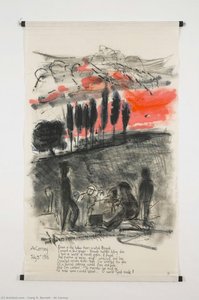
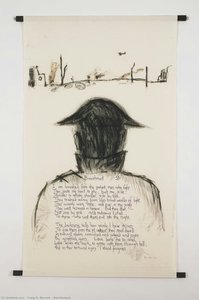
Barrett's distinctive style is immediately recognizable for its deliberate austerity. The predominantly monochrome palette—often shades of charcoal, ink, and gray—lends a somber quality to his depictions, mirroring the bleakness of the landscapes and experiences he portrays. But within this restraint lies immense expressive power. His line work isn’t merely descriptive; it's dynamic and emotive, capturing both the physical realities of trench warfare – the mud, the barbed wire, the crumbling structures – and the psychological toll it takes on individuals. There is a rawness to his technique, an immediacy that conveys a sense of urgency and grief. He doesn’t shy away from depicting the horrors of war, but he does so with a sensitivity that avoids sensationalism, focusing instead on the human element—the resilience, the sacrifice, and the enduring power of the spirit in the face of unimaginable adversity. Notable works like “Attack no. 1” embody this approach, offering a chaotic and brutal depiction of combat, while pieces such as "Banishment" evoke feelings of profound isolation and displacement. “Hospital barge at Cérisy no. 1”, directly inspired by Owen’s poem, is particularly poignant, capturing the quiet desperation and fragile hope within a wartime medical facility.Legacy: A Bridge Between Worlds
Craig R. Barrett's journey represents something truly unique—a successful business leader who has found profound meaning and purpose in artistic expression. His work serves as a powerful reminder of the human cost of war, offering a visual interpretation of the emotional landscape explored by poets like Wilfred Owen. While his achievements at Intel are well-documented and widely celebrated, his artistic contributions offer a compelling new dimension to his legacy. He demonstrates that creativity isn’t confined to specific disciplines; it can flourish in unexpected places and emerge from diverse experiences. Barrett's art is not simply a hobby pursued in retirement but a deeply felt response to history, a testament to the enduring power of empathy, and a poignant exploration of the human condition. His monochrome sketches stand as a powerful visual echo of Owen’s words, ensuring that the lessons—and the tragedies—of World War I continue to resonate with future generations.Notable Works
- “Attack no. 1” – A visceral depiction of the chaos and brutality of combat.
- “Banishment” – Evoking feelings of isolation and displacement.
- “Red sky” - Capturing a haunting atmosphere.
- “The unreturning” – Reflecting on loss and remembrance.
- “Hospital barge at Cérisy no. 1” – A poignant scene depicting wartime medical care, inspired by Owen’s poem.
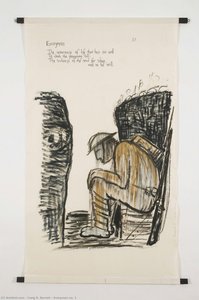
- “Everyman no. 1” - An expressionistic drawing evoking despair and the human condition.
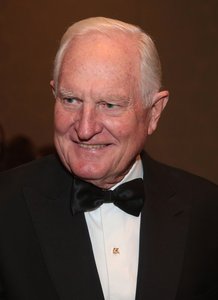
Craig R. Barrett
1939 - , United States of America
Quick Facts
- Artistic Movement Or Style: Monochrome sketches
- Artists Who Influenced This Artist: ['Wilfred Owen']
- Date Of Birth: 1939
- Full Name: Craig R. Barrett
- Nationality: American
- Notable Artworks:
- Attack no. 1
- Banishment
- Red sky
- The unreturning
- Hospital barge…
- Place Of Birth: San Francisco, USA

