 Preview
 Send
Send Share
Share
 Details

 Download
 Similars
 X-Ray
X-Ray Diaporama
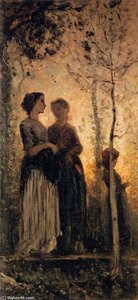
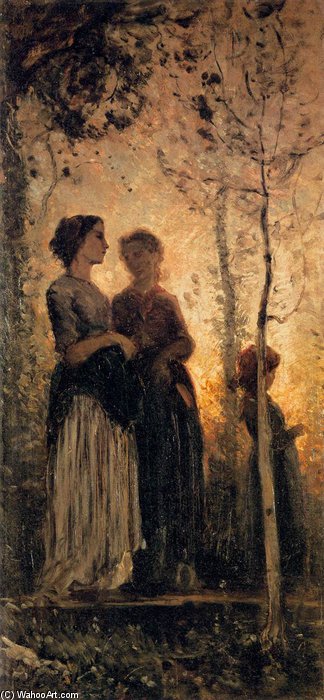
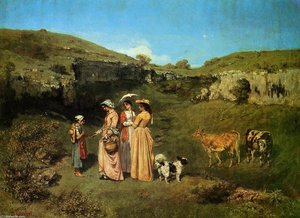
Three Peasant Women
 Read More
Hand Made Oil Reproduction
Hand-painted oil on canvas in your size and frame, made to order by our artists. ( Buy Print Buy Image)




































Pick from our preset sizes that match the artwork's original proportions.

You may enter your own dimensions to fit a specific frame or space. If your selected size does not match the original image's proportions, we will either crop the artwork or extend the painting with additional hand-painted elements. A digital mockup will be sent for your approval before production begins.
Please note that the on-screen preview does not reflect the actual cropping or extension. Only the mockup will accurately show the final composition.
While custom sizes are available, we recommend selecting a dimension from the predefined list to preserve the original proportions.
After order, ArtsDot.com team will email client for instructions and provide a mockup preview
Worldwide Delivery () in 3/4 weeks instead of standard 5 weeks. (17 August). No compromise on quality.

Free Worldwide Express Shipping

High-Quality Linen Canvas

Full Shipping Insurance

Customs Tax Refund Guarantee

True Color Matching Guarantee

60-Day Return Policy (Defects Only)

100% Money-Back Guarantee

Bulk Discount Offer
 Glass option is only available in size under 110 CM

Three Peasant Women
Reproduction Medium
Reproduction Size
-


Total Price
$ 263
Related Artworks
Artist Biography
Jean-Léon Gérôme: The Master of Grand Historical Scenes
Jean-Léon Gérôme, born in Vesoul, France, on May 11, 1824, and passing away in Paris on January 10, 1904, stands as a towering figure in the history of French art. Often described as an academic painter, a label that can sometimes overshadow his considerable talent and innovative approach, Gérôme nonetheless dominated the artistic landscape for nearly half a century. His prolific output—spanning historical paintings, mythological scenes, portraits, and even orientalist subjects—established him as “arguably the world’s most famous living artist by 1880,” a testament to his widespread popularity and influence. His career was marked by meticulous detail, dramatic compositions, and an unwavering commitment to capturing the grandeur of historical narratives, solidifying his place as one of the key figures in the academic tradition.
Gérôme’s early artistic development was shaped by a rigorous apprenticeship under Claude-Basile Cariage in his hometown. This initial training provided him with a foundational understanding of drawing and composition. He then moved to Paris, where he studied at the atelier of Paul Delaroche and later with Charles Gleyre, both influential figures within the French art establishment. These formative years instilled in him not only technical proficiency but also an appreciation for the conventions of academic painting—a style characterized by precise draftsmanship, idealized forms, and a focus on narrative clarity. His travels to Italy, Florence, Rome, and Pompeii during this period profoundly impacted his artistic vision, exposing him to classical sculpture and architecture, which would later inform many of his works.
The Rise of Academic Grandeur
Gérôme’s career truly blossomed in the 1850s and 60s, a period coinciding with the rise of Napoleon III's Second Empire. This era witnessed a renewed interest in classical art and historical subjects, providing fertile ground for Gérôme’s artistic ambitions. He skillfully navigated the competitive world of the Salon, consistently producing works that resonated with the tastes of the Parisian elite. His paintings were not merely decorative; they were carefully constructed narratives designed to evoke patriotism, celebrate military heroism, and reinforce social values. Works like *The Landing at Ostend* (1854) and *The Combat of Gonzalez Velarde* (1856) exemplify this approach—large-scale canvases depicting dramatic historical events with meticulous attention to detail and a strong sense of theatricality.
A key element of Gérôme’s success lay in his ability to synthesize diverse influences. He drew inspiration from the Baroque masters, particularly Peter Paul Rubens, incorporating their dynamic compositions and rich color palettes into his own style. Simultaneously, he studied the works of Michelangelo, absorbing the classical ideals of form and anatomy. His interest extended beyond European history; he also explored orientalist themes, producing evocative depictions of Middle Eastern life that were both exotic and meticulously researched. This willingness to embrace a broad range of subjects—from ancient battles to bustling marketplaces—contributed to his enduring popularity.
Notable Works and Artistic Techniques
Gérôme’s oeuvre is remarkably diverse, encompassing a vast array of subjects and styles. *The Raft of the Medusa* (1819), though initially met with criticism for its unflinching portrayal of human suffering, remains one of his most celebrated works. This monumental painting, based on a real-life shipwreck disaster, demonstrated Gérôme’s ability to capture intense emotion and dramatic action. Other significant paintings include *The Death of General Skanderbeg* (1862), a stirring depiction of the Albanian hero's final stand against the Ottoman Empire; *The Siege of Jerusalem* (1863), a complex and meticulously researched historical scene; and numerous portraits, often commissioned by prominent figures of French society.
Gérôme’s artistic technique was characterized by an extraordinary level of detail. He employed a painstaking method of layering glazes to achieve rich colors and subtle tonal variations. His compositions were carefully balanced, utilizing strong diagonals and dynamic groupings of figures to create a sense of movement and drama. He also demonstrated a remarkable understanding of lighting—using chiaroscuro effects to highlight key elements and create a powerful emotional impact. Despite his adherence to academic conventions, Gérôme’s paintings possessed a vibrant energy and a compelling immediacy that captivated audiences.
Legacy and Influence
Jean-Léon Gérôme's influence on subsequent generations of artists is undeniable. His meticulous technique and dramatic compositions served as models for many painters who followed in his footsteps, including Ernest Meissonier and Cabanel, both prominent figures within the academic tradition. Furthermore, his work helped to popularize historical painting among a wider audience, demonstrating its potential as a vehicle for conveying moral lessons and celebrating national identity. While some critics have questioned the artistic merit of his works—arguing that they are overly reliant on convention and lack originality—Gérôme’s enduring popularity and lasting legacy attest to his skill as a painter and his profound impact on the history of French art. He remains a significant figure, representing a pivotal moment in the evolution of academic painting.
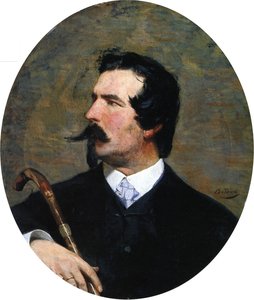
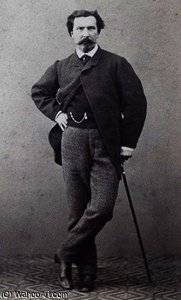
cristiano banti
1824 - 1904 , Italy
Quick Facts
- Artistic Movement Or Style: Academicism, Orientalism
- Artists Or Movements Influenced By This Artist:
- Gros
- Cassatt
- Eakins
- Artists Who Influenced This Artist:
- Delaroche
- Rubens
- Date Of Birth: May 11, 1824
- Date Of Death: January 10, 1904
- Full Name: Jean-Léon Gérôme
- Nationality: French
- Notable Artworks:
- Pollice Verso
- Raft of the Medusa
- The Landing on Egypt
- Place Of Birth: Vesoul, France