 Preview
 Send
Send Share
Share
 Details

 Download
 Similars
 X-Ray
X-Ray Diaporama
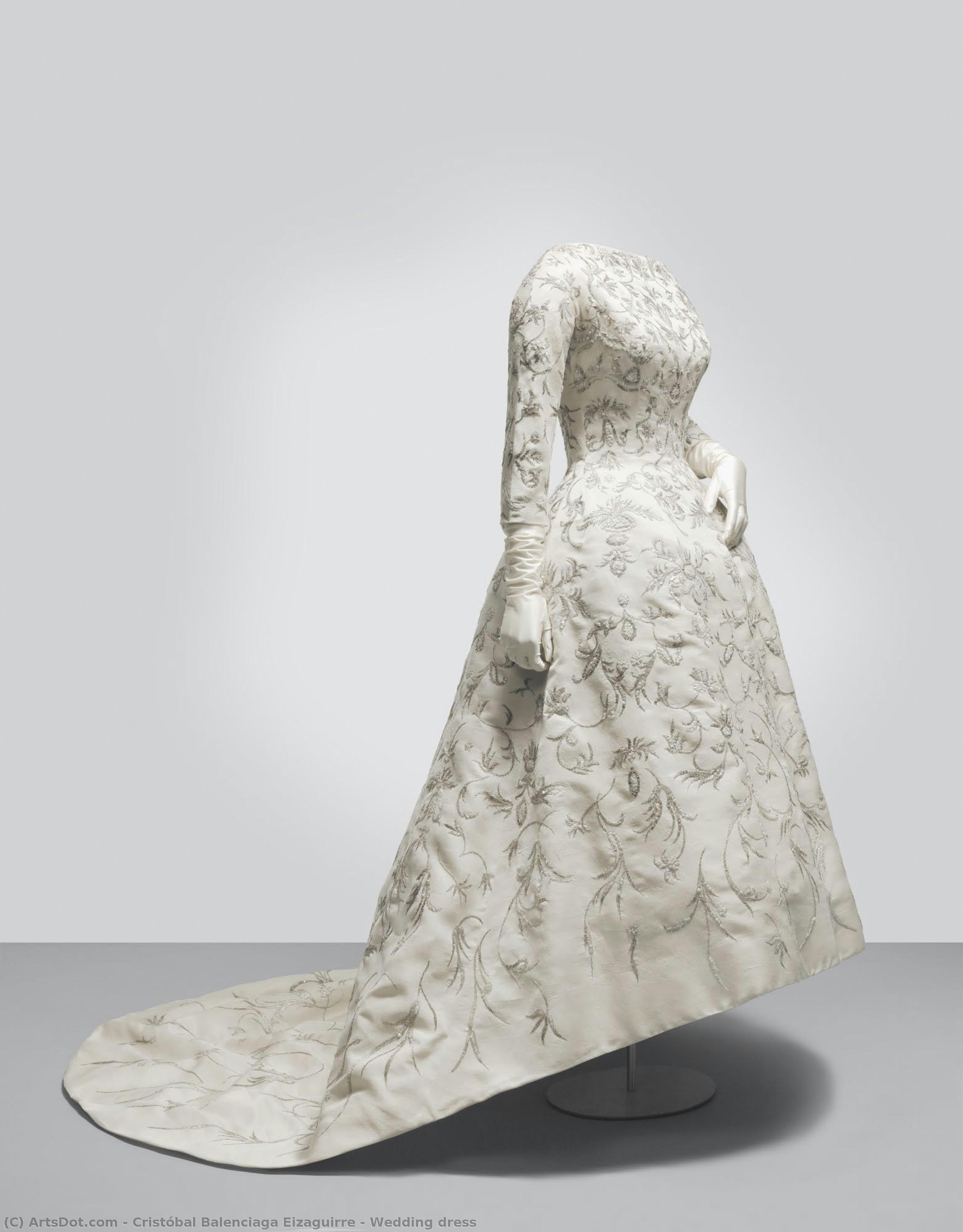
Wedding dress


 Read More
Giclée / Art Print
Museum-quality giclée or canvas print with fast production and flexible finish options. ( Buy Hand Made Painting Buy Image)




P118B $10

P118H $10

P118W $10

P438Z $10

P508JH $12

P508YH $12

P805H $10

P805Z $10

P919BZ $10

P919G $10

P919XJ $10

P959ZH $10

P968JZ $12

W106C $8

W218G $10

W218JH $8

W218Y $10

W307PJ $10

W316G $10

W316PJ $8

W316Y $10

W398PJ $8

W4111J $10

W500HY $15

W500JH $15

W692G $12

W849H $8

W940BG $15

W953PJ $8




Pick from our preset sizes that match the artwork's original proportions.

You may enter your own dimensions to fit a specific frame or space. If your selected size does not match the original image's proportions, we will either crop the artwork or extend the image with a mirrored or solid-fill edge. A digital mockup will be sent for your approval before production begins.
Please note that the on-screen preview does not reflect the actual cropping or extension. Only the mockup will accurately show the final composition.
While custom sizes are available, we recommend selecting a dimension from the predefined list to preserve the original proportions.
Worldwide Delivery () in 2 weeks instead of standard 4/5 weeks. (21 August)

Free Worldwide Express Shipping

High-Quality Linen Canvas

Full Shipping Insurance

Customs Tax Refund Guarantee

True Color Matching Guarantee

60-Day Return Policy (Defects Only)

100% Money-Back Guarantee

Bulk Discount Offer
 Glass option is only available in size under 110 CM

Wedding dress
Giclée / Art Print
Reproduction Size
-


Total Price
$ 63
Collectible Description
The Genesis of a Timeless Icon
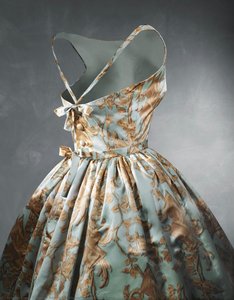
Cristóbal Balenciaga’s 1957 wedding dress for Princess Elizabeth Bowes-Lyon, later Queen Elizabeth the Queen Mother, isn't merely a garment; it’s a frozen moment in fashion history—a testament to the designer’s unparalleled skill and his profound understanding of form, texture, and the subtle language of luxury. Born in Spain and trained in Paris, Balenciaga was already establishing himself as an avant-garde force when tasked with creating this iconic piece for the future Queen. His reputation preceded him: dubbed “the master of us all” by Christian Dior, he was a meticulous craftsman who demanded perfection from his ateliers, pushing the boundaries of couture while retaining a deeply rooted respect for tradition.
The dress emerged during a pivotal era in British society – a period of post-war optimism and a renewed interest in formality. Balenciaga’s design reflected this shift, moving away from the overtly flamboyant styles of the mid-20th century towards a streamlined elegance that prioritized structure and sophistication. It was a deliberate departure from the prevailing trends, showcasing Balenciaga's signature ability to anticipate and redefine fashion sensibilities. The choice of ivory shantung, a fabric known for its subtle texture and luxurious sheen, immediately established an aura of understated opulence – a hallmark of the designer’s aesthetic.
A Symphony of Texture and Detail
Close examination reveals a remarkable interplay of textures and techniques. The foundation is the ivory shantung, meticulously woven to create a surface that subtly catches the light. Over this base, Balenciaga layered an intricate embroidery in gold metallic thread, twisting it around a silk core – a technique that adds incredible depth and dimension. This wasn’t simply decorative; it was integral to the dress's overall structure, providing support and visual interest simultaneously. The addition of faux pearl sequins, strategically placed within floral motifs, further enhanced the richness and glamour of the design, creating a shimmering effect that moved with the wearer.
Beyond the embroidery, the dress boasts several other noteworthy details. The bell-shaped skirt, shorter at the front than the back, introduces a dynamic silhouette – a subtle nod to the architectural principles Balenciaga often employed in his designs. The kimono sleeves, a signature element of his style, add a touch of exoticism and drama, while the jewel neckline and fitted bodice emphasize the wearer’s figure with grace and poise. The use of ivory silk taffeta lining ensures both comfort and structural integrity, demonstrating Balenciaga's commitment to quality and craftsmanship.
Symbolism and Legacy
More than just a wedding dress, this garment embodies a confluence of symbolism. The choice of white represents purity and new beginnings – fitting for the bride embarking on her life’s journey. The gold embroidery, traditionally associated with royalty and wealth, underscores the importance of the occasion and the stature of the wearer. Furthermore, the inclusion of floral motifs speaks to themes of beauty, love, and fertility—all deeply rooted in wedding traditions across cultures.
Balenciaga’s 1957 wedding dress remains a celebrated example of his genius, influencing generations of designers and solidifying his place as one of fashion's most influential figures. Reproductions capture the essence of this masterpiece, offering an opportunity to incorporate its timeless elegance into any setting—from bridal celebrations to sophisticated interiors. It’s a reminder that true luxury lies not just in ostentation but in impeccable design, meticulous execution, and enduring style.
Related Artworks
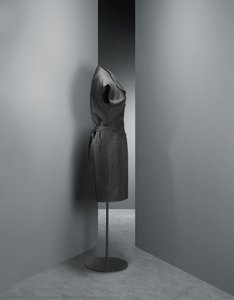
Artist Biography
early life and career
cristóbal balenciaga eizaguirre, a renowned spanish fashion designer, was born in 1895 in getaria, spain. he is best known for founding the balenciaga clothing brand, which became synonymous with high-end couture. balenciaga's reputation as a couturier of uncompromising standards earned him the title "the master of us all" by christian dior and "the only couturier in the truest sense of the word" by coco chanel.artistic style and influences
balenciaga's designs were characterized by their elegance, simplicity, and attention to detail. he was influenced by the avant-garde art movement, which is reflected in his bold and innovative designs. some of his notable works include:- study to 'song of songs iv' (naive art / primitivism), a painting that showcases his experimental approach to fashion.
- tree roots (50 x 100 cm, post-impressionism, oil on canvas), a piece that demonstrates his ability to capture the essence of nature.
- acrobat (surrealism, oil on canvas), a painting that highlights his willingness to push boundaries in the world of fashion.
museums and collections
balenciaga's work can be found in various museums and collections, including:- museo de bellas artes de asturias (spain), which features a diverse collection of european art.
- colección andrés blaisten (mexico), a mexican art collection that showcases latin american artworks.
- the museum destroyed by fire (united states), a tragic event in american art history.
legacy and impact
balenciaga's legacy extends beyond his fashion designs. he has influenced generations of designers, and his work continues to be celebrated for its timelessness and elegance. as cristóbal balenciaga eizaguirre, he remains an iconic figure in the world of couture.- view more works by cristóbal balenciaga eizaguirre at https://ArtsDot.com/@/cristobal-balenciaga-eizaguirre
- explore the museo de bellas artes de asturias collection at /en/art/show/art-d3atkt-en/
- learn more about the colección andrés blaisten at https://ArtsDot.com/@@/a@d3bqc7-the-museum-destroyed-by-fire-(united-states)
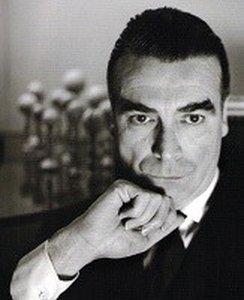
Cristóbal Balenciaga Eizaguirre
1895 - 1972 , Spain
Quick Facts
- Artistic Movement Or Style: Avant-garde Art / Surrealism
- Artists Or Movements Influenced By This Artist: ['Hubert de Givenchy']
- Artists Who Influenced This Artist:
- Christian Dior
- Coco Chanel
- Date Of Birth: January 21, 1895
- Date Of Death: March 23, 1972
- Full Name: Cristóbal Balenciaga Eizaguirre
- Nationality: Spanish
- Notable Artworks:
- Study to 'Song of Songs IV'
- Tree Roots
- Acrobat
- Place Of Birth: Getaria, Spain
Related Articles
Beyond the Guest Book: Unique Wedding Keepsakes Through Custom Artwork
Elevate your wedding memories with unique custom artwork! Discover personalized paintings & prints that capture the magic of your special day. Expert guidance, premium quality, lasting keepsakes.
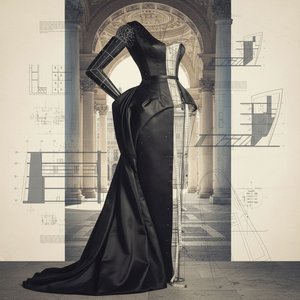
Cristóbal Balenciaga: Deconstructing Haute Couture's Architectural Legacy
Explore the revolutionary world of Cristóbal Balenciaga, the 'couturier's couturier'. Discover his architectural designs, lasting influence on haute couture, and guide to collecting rare pieces. A connoisseur’s resource.

Love on Canvas: Choosing the Perfect Artistic Style for Your Wedding Portrait
Discover the perfect artistic style for your wedding portrait! Explore realism, impressionism & more. Commission a timeless heirloom with expert guidance. Learn from .
Beyond Photographs: Commissioning Bespoke Paintings of Wedding Venues for Unforgettable Keepsakes
Transform your wedding venue into timeless art! Discover the beauty of bespoke paintings & commissions with 's expert artists. Create a unique, luxurious keepsake.
From Snapshot to Masterpiece: Transforming Wedding Photos into Timeless Oil Paintings
Transform cherished wedding photos into timeless oil paintings! Expert artists at create bespoke portraits & heirloom art. Discover the process, styles & lasting value.