 Preview
 Send
Send Share
Share
 Details

 Download
 Similars
 X-Ray
X-Ray Diaporama
 Stats
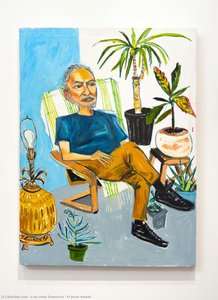
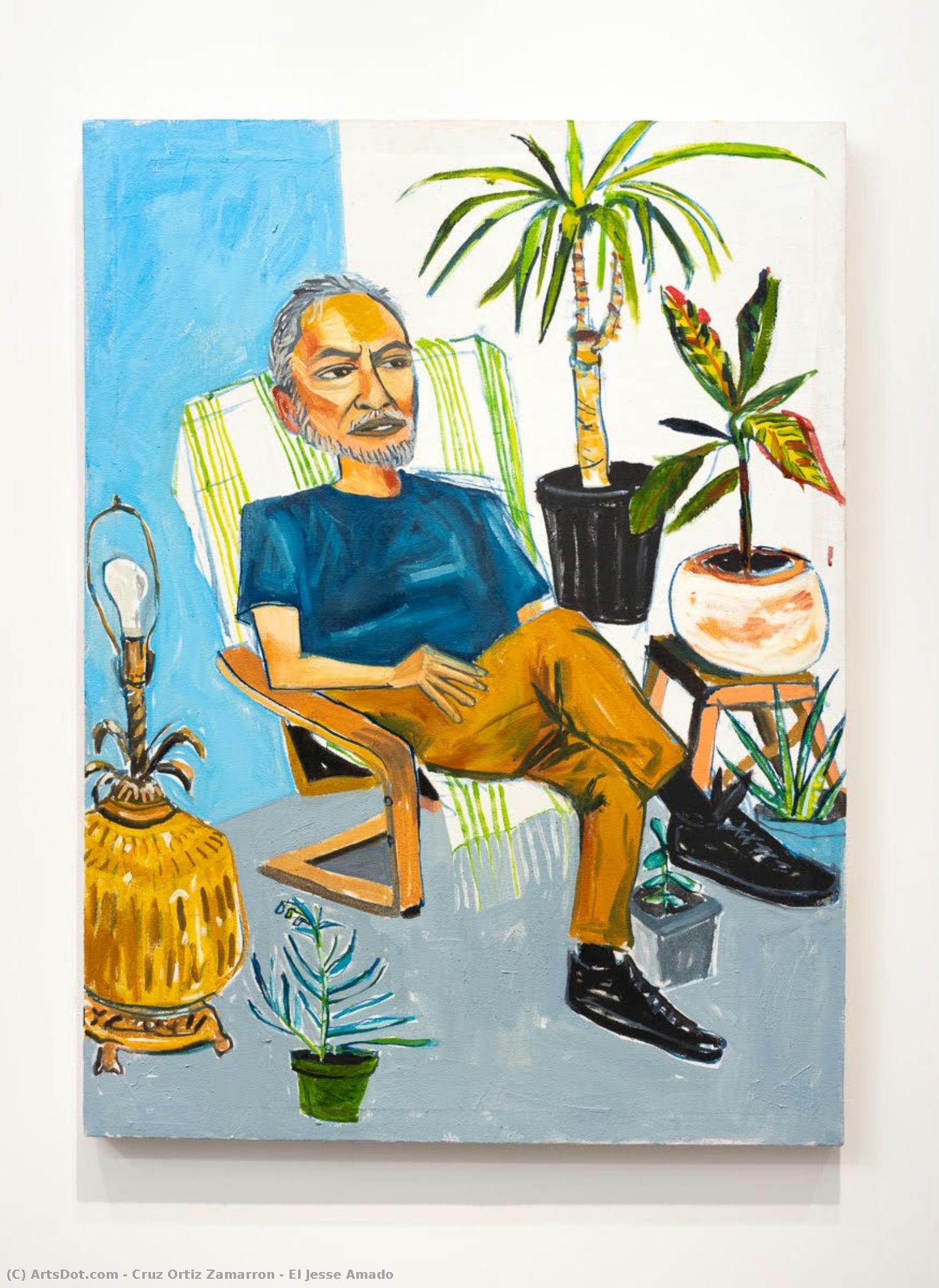
StatsEl Jesse Amado


 Read More
Giclée / Art Print
Museum-quality giclée or canvas print with fast production and flexible finish options. ( Buy Hand Made Painting Switch to Digital Image)




































Pick from our preset sizes that match the artwork's original proportions.

You may enter your own dimensions to fit a specific frame or space. If your selected size does not match the original image's proportions, we will either crop the artwork or extend the image with a mirrored or solid-fill edge. A digital mockup will be sent for your approval before production begins.
Please note that the on-screen preview does not reflect the actual cropping or extension. Only the mockup will accurately show the final composition.
While custom sizes are available, we recommend selecting a dimension from the predefined list to preserve the original proportions.
Worldwide Delivery () in 2 weeks instead of standard 4/5 weeks. (8 September)

Free Worldwide Express Shipping

High-Quality Linen Canvas

Full Shipping Insurance

Customs Tax Refund Guarantee

True Color Matching Guarantee

100-Day Return Policy (Defects Only)

100% Money-Back Guarantee

Bulk Discount Offer
 Glass option is only available in size under 110 CM

El Jesse Amado
Giclée / Art Print
Reproduction Size
-


Total Price
$ 63
Related Artworks







Artist Biography
A Legacy of Resilience and Folklore: The Art of Cruz Ortiz Zamarrón
The life and work of Cruz Ortiz Zamarrón (1953-2024) stand as a profound testament to the power of storytelling through visual medium. A Chicano artist whose spirit was as vibrant as his palette, Zamarr/ron navigated a world that often sought to limit him. Born in San Antonio, Texas, he faced the lifelong physical challenges of Morquio Syndrome, a genetic disorder that impacted his mobility and health. Yet, rather than allowing his condition to define the boundaries of his existence, he used art as a vehicle for transcendence. At the age of nineteen, driven by an unyielding ambition, he hitchhiked from the familiar landscapes of Texas to the burgeoning Chicano art scene of Santa Cruz, California. This journey was more than a physical relocation; it was a migration toward a new identity, where he could weave his Texan roots with the radical energy of the West Coast.
In the heart of the California art community, Zamarrón found both mentorship and a kindred spirit in the esteemed professor Eduardo Carrillo. Under Carrillo’s guidance, the artist blossomed, embracing a style that was simultaneously playful and politically charged. He became known as a "Chicano Trickster," a figure capable of using mischief to deliver deep cultural truths. One of the most enduring legends of his career involves a clandestine act of devotion: on his birthday, alongside fellow students, he helped paint the Virgin de Guadalupe onto the sand cliffs near the Santa Cruz clocktower. Though the city removed the mural shortly after its appearance, the image became a sacred site for the local Latino community, who left flowers and offerings at its base—a moment that perfectly encapsulated Zamarrón’s ability to bridge the gap between ephemeral street art and profound communal spirituality.
The Tapestry of Identity: Symbolism and Cultural Synthesis
Zamarrón’s artistic language was a complex tapestry, intricately woven from threads of Mexican folklore, colonial history, and contemporary Chicano experience. His work does not merely depict scenes; it invokes ancestral memories. He possessed a unique ability to modernize indigenous iconography, placing ancient deities alongside the everyday realities of 20th-century life. Through his brush, the viewer encounters a duality of existence—the sacred and the profane, the historical and the immediate.
His use of imagery often explored the tension between different layers of Mexican heritage:
- The Legend of La Llorona: He utilized the weeping woman to symbolize the enduring trauma of colonialism and the collective grief of a people, transforming a folk legend into a poignant political commentary.
- Indigenous Deities: By incorporating figures such as Coatlicue, the Aztec goddess of life and death, he established a direct lineage between contemporary Chicano identity and pre-Columbian roots.
- Catholic Iconography: The integration of the Virgin Mary served to validate the Mexican-American experience within the framework of the Catholic Church while simultaneously honoring indigenous connections to the divine.
The emotional weight of his work is carried by a masterful command of color. His paintings are often characterized by an animated, almost kinetic energy that reflects his "joyful rascal" persona. Yet, this vibrancy is frequently juxtaposed with darker, more somber themes, such as the grim realities of political struggle or the melancholy of historical loss. This duality allowed him to capture the full spectrum of the Chicano experience—the laughter found in communal mischief and the sorrow found in the shadows of history.
Historical Significance and Artistic Endurance
The significance of Cruz Ortiz Zamarrón lies in his role as a visual chronicler of a specific era and identity. His work serves as a vital archive of the West Coast Chicano experience from the 1970s through the 1990s, capturing the pulse of a generation navigating the complexities of bi-culturalism. He did not merely observe history; he participated in its creation, using his art to assert presence and demand recognition for a community often pushed to the margins.
Through his multimedia explorations, Zamarrón achieved a rare synthesis of high art and folk tradition. His legacy is found not only in galleries like the Mary Porter Sesnon Gallery but in the enduring cultural memory of the communities he represented. He taught that art could be a tool for resistance, a way to reclaim one's narrative, and a means to transform personal struggle into universal beauty. Even as his physical mobility was constrained, his artistic vision remained boundless, leaving behind a body of work that continues to resonate with the themes of heritage, resilience, and the eternal power of the story.

cruz ortiz zamarron
1972 - , United States of America
Quick Facts
- Artistic Movement Or Style: Chicano art
- Artists Or Movements Influenced By This Artist: ['Mexican folklore']
- Artists Who Influenced This Artist: ['Eduardo Carrillo']
- Date Of Birth: 1953
- Date Of Death: 2024
- Full Name: Cruz Ortiz Zamarrón
- Nationality: American
- Notable Artworks: ['El Jesse Amado']
- Place Of Birth: San Antonio, United States