

 Preview
 Send
Send Share
Share
 Details

 Download
 Similars
 X-Ray
X-Ray Diaporama
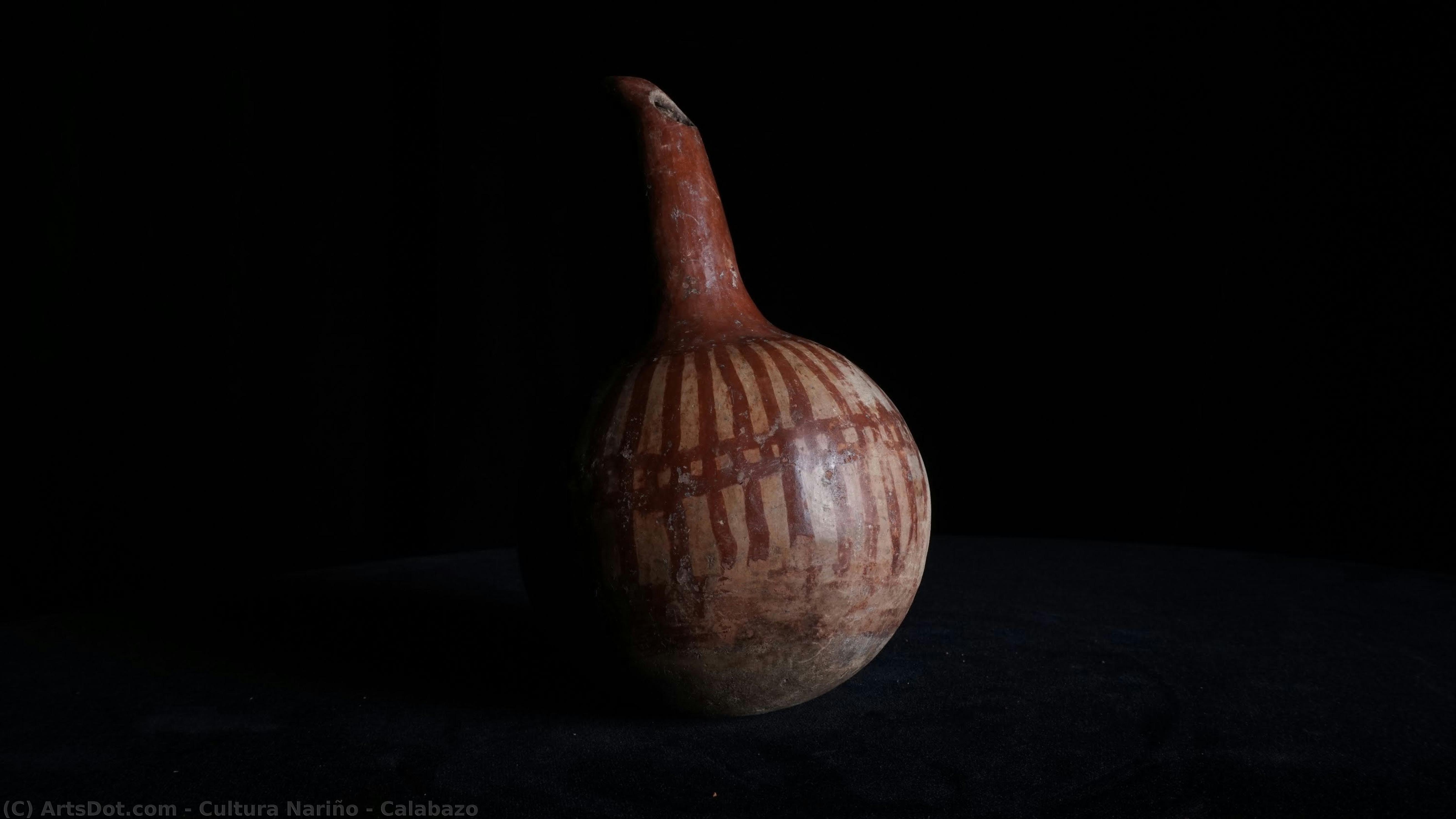
Calabazo


 Read More
Purchase a high-resolution, enhanced digital image, far superior to the online preview.
Each file is meticulously prepared by our in-house specialists using advanced tools and expert manual retouching. We ensure every image has exceptional clarity, precise color accuracy, and fine detail.
The final file is delivered via email within 72 hours, optimized for immediate use in professional, editorial, and print environments. This is the same quality trusted by top-tier design studios, publishers, and galleries.
Digital Image
Download a high-resolution file for personal display, printing, and creative projects. ( Buy Print Buy Hand Made Painting)
Included in Every Digital Image Order
Expert Digital Delivery, Guaranteed
When you choose ArtsDot.com, you're not just getting an image - you're receiving a professionally enhanced digital artwork, crafted with precision and backed by a satisfaction guarantee. Here's everything that comes with your order, automatically:

Fast Email Delivery
Your high-resolution digital image file will be emailed to you within 72 hours of ordering - ready for immediate use.

AI-Enhanced Digital File
Your artwork is professionally optimized using advanced AI tools and manual editing, ensuring maximum detail, clarity, and color accuracy.

Free Lifetime Re-Delivery
Accidentally deleted or lost your file? No worries - we'll resend it to you anytime, free of charge.

No Import Fees - Ever
Enjoy your artwork instantly with zero customs, duties, or delivery fees - digital downloads are always tax-free.

Color Accuracy Guarantee
We ensure your digital image reflects the original colors as closely as possible using professional tools and color management.

60-Day Satisfaction Guarantee
If you're not satisfied with your digital image, we'll revise it or refund 100% within 60 days - no questions asked.

100% Money-Back Guarantee
Not satisfied? Get a full refund within 60 days of receiving your digital file - no questions asked.

Bulk Order Discounts
Buy 3 images, save 10% - Buy 5, save 15% - Buy 10+, save 20%. Great for creative projects, galleries, and agencies.
Related Artworks





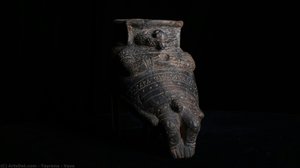
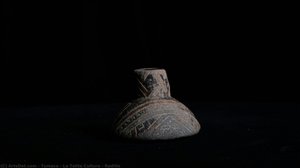
Artist Biography
The Enigmatic World of Cultura Nariño
The name “Cultura Nariño” evokes a sense of mystery, conjuring images of ancient hands shaping clay and gold in the Andean highlands. This pre-Columbian South American culture, flourishing between the 7th and 12th centuries on the plains straddling present-day northern Ecuador and southern Colombia, left behind a legacy not of monumental architecture or sprawling cities, but of exquisite artistry—a testament to their sophisticated worldview and extensive trade networks. They were known as the Capulí culture, named after the archaeological site where much of their work was first discovered, and their story is one pieced together from fragments of pottery, gleaming gold artifacts, and a deep understanding of the natural world.
Unlike some of their contemporaries who focused on imposing structures, the Nariño people excelled in portable art forms. Their intensive commerce brought them into contact with diverse cultures across the region, influencing both their artistic style and the materials they employed. This exchange is evident in the intricate designs found on their pottery—complex geometric patterns often interwoven with anthropomorphic figures that hint at a rich spiritual life. The distinctive black-on-dark red palette became their signature, achieved through meticulous firing techniques that remain partially understood today. These vessels weren’t merely utilitarian objects; they were likely integral to rituals and ceremonies, embodying beliefs about the cosmos and ancestral spirits.
Gold as a Reflection of Cosmology
Perhaps even more striking than their pottery is the Nariño culture's mastery of goldwork. They didn’t create large-scale sculptures but instead focused on intricate pendants, masks, and small figurines. These pieces are characterized by precise geometric designs and stylized zoomorphic representations—often depicting birds, snakes, and other animals revered for their symbolic power. The gold wasn’t simply valued for its aesthetic beauty; it was believed to possess a sacred essence, connected to the sun and the forces of nature. The painstaking detail in these artifacts suggests they were not merely ornaments but powerful emblems of status, religious belief, and perhaps even tools used in shamanistic practices.
The agricultural foundations of the Nariño culture also played a role in their artistic expression. They cultivated quinoa, a resilient grain well-suited to the Andean climate, and raised llamas—both for sustenance and trade. This connection to the land is subtly reflected in some of their artwork, with depictions of these animals appearing alongside more abstract geometric motifs. The ability to sustain themselves through agriculture allowed them to dedicate resources to artistic pursuits and maintain a complex social structure that supported skilled artisans.
A Legacy Interrupted, A Culture Remembered
The Nariño culture preceded the Piartal and Tuza cultures in the archaeological record, eventually fading into history—the reasons for their decline remain a subject of ongoing research. However, their artistic legacy endured, influencing subsequent Andean civilizations. Their distinctive pottery style and goldworking techniques were adopted and adapted by later groups, demonstrating the lasting impact of their creative vision.
Today, the art of Cultura Nariño offers a rare glimpse into the beliefs and practices of a pre-Columbian society that valued artistry as an integral part of life. The intricate designs on their pottery and the gleaming beauty of their gold artifacts continue to captivate and inspire, reminding us of the rich cultural diversity that once flourished in the Andean region. The rediscovery of these works has not only enriched our understanding of South American history but also sparked a renewed appreciation for the artistic achievements of indigenous cultures.
Carlos Nariño: A Modern Echo
Interestingly, the name “Nariño” is also associated with a contemporary Colombian painter, Carlos Nariño (born 1957). While not directly connected to the ancient culture, this artist draws inspiration from the landscapes of his homeland—specifically the Sabana de Bogotá—creating evocative paintings that capture the vastness and ethereal beauty of the Andean skies. His work, often described as romantic in style, recalls the works of Turner and Corot, emphasizing light, atmosphere, and a sense of melancholy. This modern Nariño’s artistic journey, spent largely in Paris, demonstrates a continuing fascination with the Colombian landscape—a subtle echo of the ancient culture's deep connection to their environment.
- Artistic Movement: Landscape Painting
- Influences: Turner, Jean-Baptiste Corot
- Notable Work: Paisajes de la Memoria
The story of Cultura Nariño is a reminder that art transcends time—that the creative impulse to express beauty and meaning is a fundamental aspect of the human experience. Whether through ancient pottery or modern paintings, the spirit of artistry continues to thrive in the Andean region, connecting us to the past and inspiring future generations.
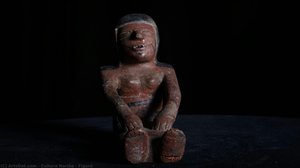
cultura nariño
Colombia
Quick Facts
- Artistic Movement Or Style: Landscape Painting
- Artists Or Movements Influenced By This Artist: ['Romanticism']
- Artists Who Influenced This Artist:
- Turner
- Jean-Baptiste Corot
- Date Of Birth: 1957
- Full Name: Carlos Nariño
- Nationality: Colombian
- Notable Artworks: ['Paisajes de la Memoria']
- Place Of Birth: Bogotá, Colombia

