

 Preview
 Send
Send Share
Share
 Details

 Download
 Similars
 X-Ray
X-Ray Diaporama
 Stats
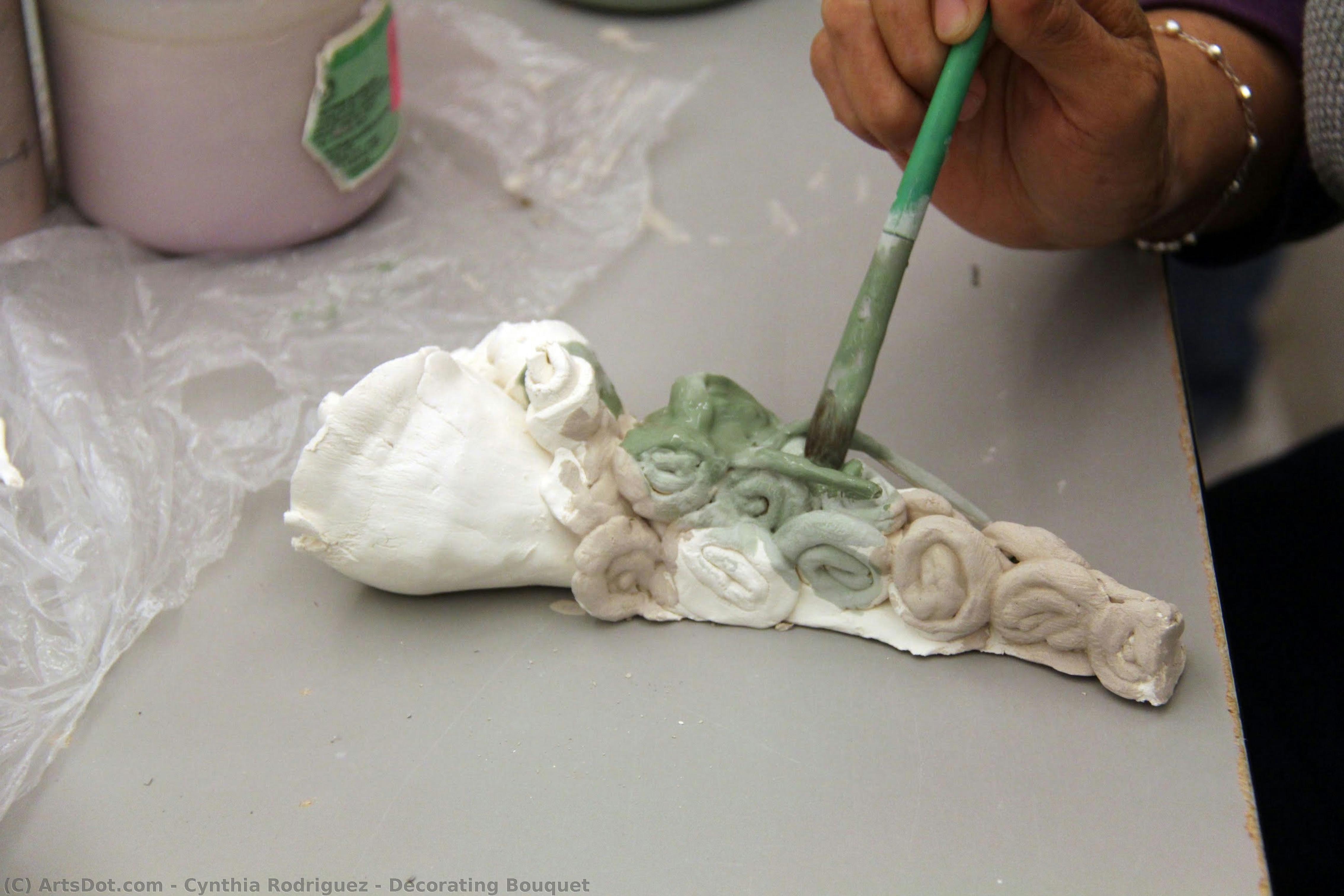
StatsDecorating Bouquet


 Read More
Purchase a high-resolution, enhanced digital image, far superior to the online preview.
Each file is meticulously prepared by our in-house specialists using advanced tools and expert manual retouching. We ensure every image has exceptional clarity, precise color accuracy, and fine detail.
The final file is delivered via email within 72 hours, optimized for immediate use in professional, editorial, and print environments. This is the same quality trusted by top-tier design studios, publishers, and galleries.
Digital Image
Download a high-resolution file for personal display, printing, and creative projects. ( Switch to Print Buy Hand Made Painting)
Included in Every Digital Image Order
Expert Digital Delivery, Guaranteed
When you choose ArtsDot.com, you're not just getting an image - you're receiving a professionally enhanced digital artwork, crafted with precision and backed by a satisfaction guarantee. Here's everything that comes with your order, automatically:

Fast Email Delivery
Your high-resolution digital image file will be emailed to you within 72 hours of ordering - ready for immediate use.

AI-Enhanced Digital File
Your artwork is professionally optimized using advanced AI tools and manual editing, ensuring maximum detail, clarity, and color accuracy.

Free Lifetime Re-Delivery
Accidentally deleted or lost your file? No worries - we'll resend it to you anytime, free of charge.

No Import Fees - Ever
Enjoy your artwork instantly with zero customs, duties, or delivery fees - digital downloads are always tax-free.

Color Accuracy Guarantee
We ensure your digital image reflects the original colors as closely as possible using professional tools and color management.

100-Day Satisfaction Guarantee
If you're not satisfied with your digital image, we'll revise it or refund 100% within 100 days - no questions asked.

100% Money-Back Guarantee
Not satisfied? Get a full refund within 100 days of receiving your digital file - no questions asked.

Bulk Order Discounts
Buy 3 images, save 10% - Buy 5, save 15% - Buy 10+, save 20%. Great for creative projects, galleries, and agencies.
Related Artworks







Artist Biography
George Orwell: A Life Forged in Defiance and Echoes of Nineteen Eighty-Four
George Orwell, a name synonymous with dystopian fiction and unwavering political critique, wasn’t simply a writer; he was a chronicler of his time, a prophet warning against the insidious creep of totalitarianism. Born Eric Arthur Blair on June 25, 1903, in Motihari, British India – a detail often overlooked – Orwell's life was a relentless pursuit of truth and justice, shaped by poverty, adventure, and profound disillusionment. His early years were spent with wealthy relatives in England, fostering a complex relationship with class and privilege that would inform much of his writing. He excelled at Eton College but rejected the path laid out for him, choosing instead to join the Indian Imperial Police at age 18 – an experience that fundamentally altered his worldview and ignited within him a deep-seated aversion to colonial rule. This decision, driven by a desire to understand the realities faced by ordinary people, proved pivotal in shaping his later work. Following his time in India, Orwell embarked on a series of restless journeys, working as a journalist, printer, and even a woodcutter’s assistant in Spain during the Spanish Civil War. It was here, amidst the chaos and brutality of the conflict, that he began to develop the themes that would dominate his writing – the manipulation of language, the suppression of dissent, and the devastating consequences of ideological extremism. The war profoundly impacted him, solidifying his commitment to socialism while simultaneously exposing him to the dangers of revolutionary zealotry. His experiences in Spain directly informed *Homage to Catalonia*, a brutally honest account of the conflict that stands as a stark contrast to the romanticized narratives often presented by both sides. This period wasn’t just about witnessing war; it was about grappling with his own political beliefs and recognizing the complexities inherent in any revolutionary movement. Orwell's literary career truly took flight after World War II, fueled by a desire to expose the dangers of unchecked power and the erosion of individual liberty. *Animal Farm* (1945), initially conceived as an allegory for Stalinist Russia, quickly transcended its specific political context to become a timeless fable about corruption, betrayal, and the cyclical nature of oppression. Its deceptively simple language and memorable characters – particularly the pigs who ultimately seize control – resonated deeply with readers worldwide. However, it was *Nineteen Eighty-Four* (1949) that cemented Orwell’s legacy as one of the 20th century's most important novelists. This chilling vision of a future dominated by surveillance, propaganda, and thought control remains profoundly relevant today, serving as a cautionary tale about the fragility of freedom and the importance of critical thinking. The novel’s enduring power lies in its ability to tap into primal fears – the fear of being watched, the fear of having one's thoughts controlled, the fear of losing one’s identity.The Craft of Orwell: Style and Technique
Orwell’s writing style is characterized by its stark simplicity and unflinching honesty. He deliberately avoided ornate prose or elaborate metaphors, believing that language should be clear, direct, and accessible to all. This commitment to clarity extended to his journalistic work, where he meticulously documented the realities of poverty, social injustice, and political corruption. His use of concrete details – the smell of a London slum, the feel of rough wool clothing, the taste of cheap tobacco – created vivid and immediate experiences for the reader. He was a master of understatement, allowing the power of his observations to speak for themselves. Furthermore, Orwell’s meticulous research—a hallmark of his work—ensured that his narratives were grounded in reality, even when exploring fantastical scenarios. He employed a journalistic approach, rigorously verifying facts and presenting them with an unwavering commitment to truth. His deliberate use of Newspeak, the deliberately impoverished language designed to limit thought, is a brilliant example of how language can be used as a tool of control—a concept that continues to resonate powerfully in the digital age.Beyond Nineteen Eighty-Four: A Diverse Body of Work
While *Nineteen Eighty-Four* remains his most famous work, Orwell’s literary output was remarkably diverse. He wrote essays on a wide range of topics—from cricket to education—demonstrating a keen intellect and a willingness to engage with complex social issues. *Down and Out in London and Paris* (1933) offered a harrowing firsthand account of poverty and homelessness, while *The Road to Wigan Pier* (1937) explored the plight of the working class in industrial England. His journalistic work, published in *Tribune*, provided insightful commentary on political events and social trends. Even his shorter stories—such as “Shooting an Elephant” and “The Lady Next Door”—revealed a profound understanding of human psychology and the moral dilemmas faced by individuals caught between conflicting loyalties. These works collectively demonstrate Orwell’s commitment to exposing injustice, challenging conventional wisdom, and advocating for a more humane world.Legacy and Enduring Relevance
George Orwell died on January 21, 1950, at the age of 46, from tuberculosis contracted during his time in Spain. His legacy extends far beyond the literary realm; “Orwellian” has become a ubiquitous term used to describe any system characterized by totalitarian control, mass surveillance, and manipulation of information. *Nineteen Eighty-Four* continues to be widely read and studied, serving as a vital reminder of the dangers of unchecked power and the importance of safeguarding individual liberty. In an era marked by increasing technological advancements, social media polarization, and concerns about privacy, Orwell’s warnings remain profoundly relevant. His work compels us to question authority, resist propaganda, and defend the fundamental values of truth, freedom, and human dignity. The enduring popularity of his books is a testament to their timeless wisdom and their continued ability to provoke critical reflection on the state of our world.
cynthia rodriguez
1984 - , Mexico
Quick Facts
- Artistic Movement Or Style: Political satire
- Artists Or Movements Influenced By This Artist:
- Dystopian fiction
- New Journalism
- Artists Who Influenced This Artist:
- Aldous Huxley
- Bertrand Russell
- Date Of Birth: June 25, 1903
- Date Of Death: January 21, 1950
- Full Name: George Orwell
- Nationality: British
- Notable Artworks:
- Nineteen Eighty-Four
- Animal Farm
- Place Of Birth: Motihari, India