

 Send
Send Share
Share
 Details

 Download
 Similars
 Diaporama
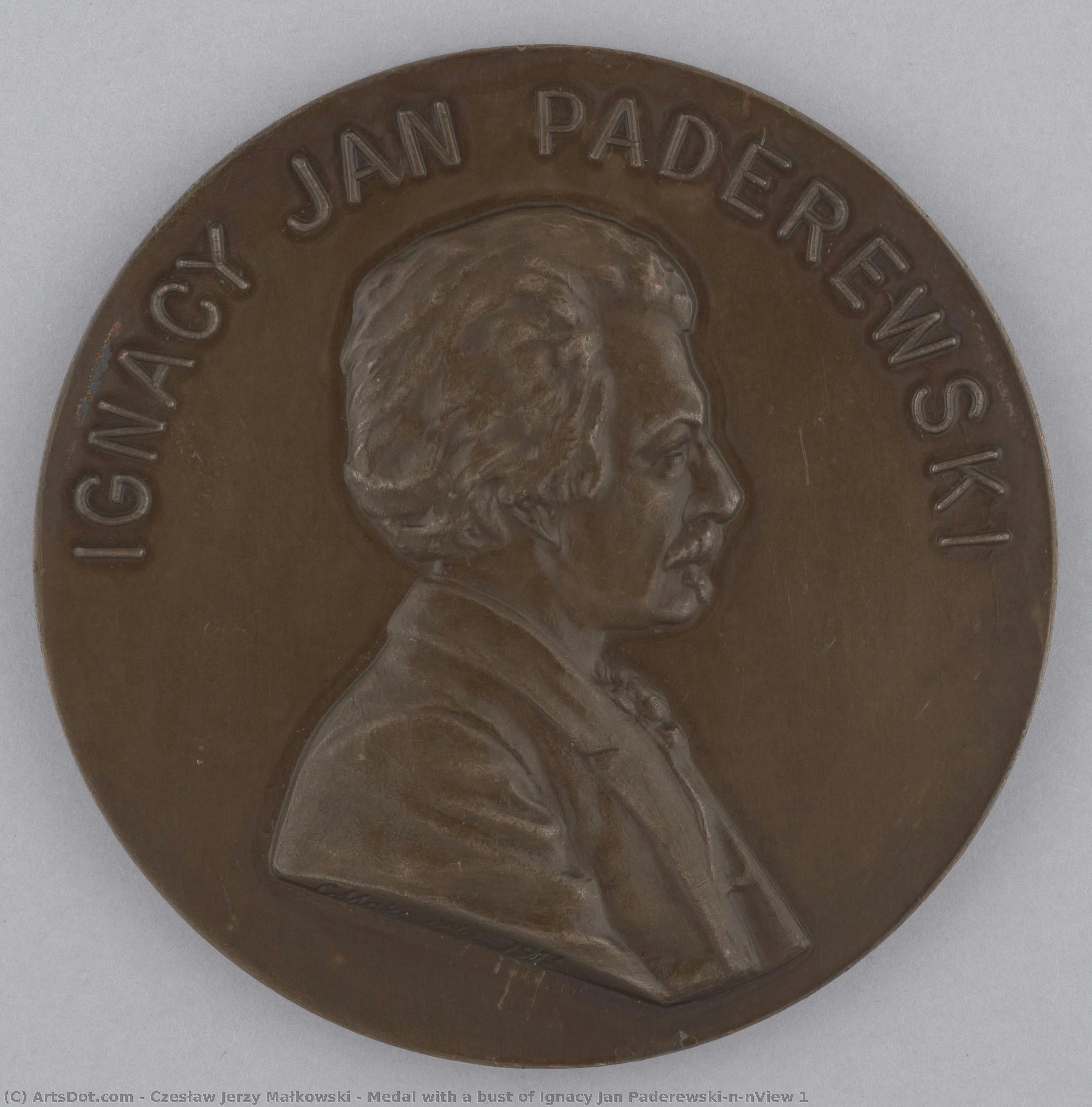
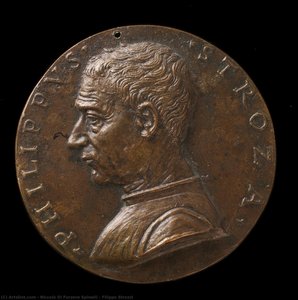
Medal with a bust of Ignacy Jan Paderewski\n\nView 1


 Read More
Purchase a high-resolution, enhanced digital image, far superior to the online preview.
Each file is meticulously prepared by our in-house specialists using advanced tools and expert manual retouching. We ensure every image has exceptional clarity, precise color accuracy, and fine detail.
The final file is delivered via email within 72 hours, optimized for immediate use in professional, editorial, and print environments. This is the same quality trusted by top-tier design studios, publishers, and galleries.
Digital Image
Download a high-resolution file for personal display, printing, and creative projects. ( Buy Print Buy Hand Made Painting)
Included in Every Digital Image Order
Expert Digital Delivery, Guaranteed
When you choose ArtsDot.com, you're not just getting an image - you're receiving a professionally enhanced digital artwork, crafted with precision and backed by a satisfaction guarantee. Here's everything that comes with your order, automatically:

Fast Email Delivery
Your high-resolution digital image file will be emailed to you within 72 hours of ordering - ready for immediate use.

AI-Enhanced Digital File
Your artwork is professionally optimized using advanced AI tools and manual editing, ensuring maximum detail, clarity, and color accuracy.

Free Lifetime Re-Delivery
Accidentally deleted or lost your file? No worries - we'll resend it to you anytime, free of charge.

No Import Fees - Ever
Enjoy your artwork instantly with zero customs, duties, or delivery fees - digital downloads are always tax-free.

Color Accuracy Guarantee
We ensure your digital image reflects the original colors as closely as possible using professional tools and color management.

60-Day Satisfaction Guarantee
If you're not satisfied with your digital image, we'll revise it or refund 100% within 60 days - no questions asked.

100% Money-Back Guarantee
Not satisfied? Get a full refund within 60 days of receiving your digital file - no questions asked.

Bulk Order Discounts
Buy 3 images, save 10% - Buy 5, save 15% - Buy 10+, save 20%. Great for creative projects, galleries, and agencies.
A Portrait of Polish Identity: Exploring Ignacy Jan Paderewski’s Bronze Coin
The bronze coin commemorating Ignacy Jan Paderewski stands as more than just a commemorative piece; it embodies the artistic spirit and national consciousness of Poland at the dawn of the 20th century. Sculpted by czesław jerzy małkowski, this artwork reflects the profound influence of the Münchner Schule movement—a trend that prioritized realism and emotional resonance within sculpture—and cemented małkowski’s place as a leading voice in Polish artistic heritage.The Artist's Vision: Czysław Jerzy Małkowski
czesław jerzy małkowski (1873-1921) was born in Lublin, Poland, amidst the vibrant intellectual atmosphere of Kraków’s Academy of Fine Arts. Trained within the Münchner Schule, he absorbed the principles championed by artists like Ernst Ludwig Kirchner and Otto Dix—a commitment to portraying human experience with unflinching honesty and conveying powerful narratives through form and texture. Małkowski's artistic journey was marked by a dedication to capturing not merely likeness but also inner character, mirroring the broader cultural preoccupation with defining Polish identity during this transformative period.Style and Technique: Realism Infused with Symbolism
Małkowski’s approach to sculpting embraced realism while subtly incorporating symbolic elements—a hallmark of the Münchner Schule aesthetic. The coin's surface is meticulously crafted from bronze, utilizing a technique that prioritizes detail and textural variation. Skilled artisans painstakingly molded and polished the metal, achieving a remarkable level of accuracy in replicating Paderewski’s facial features and expression. Beyond mere representation, however, Małkowski aimed to imbue the sculpture with an emotional depth that conveyed Paderewski's stature as a cultural icon—a symbol of Polish musical prowess and intellectual idealism.Historical Context: Poland at the Crossroads
The creation of this coin coincided with Poland’s precarious position on the cusp of the Great War. Having endured partitions by Russia, Prussia, and Austria-Hungary, Poland wrestled for independence amidst simmering tensions between European powers. Paderewski—a charismatic pianist and statesman—became a beacon of hope for nationalists yearning to restore their nation's glory. Małkowski’s artistic endeavor served as a visual testament to this moment in history, capturing the spirit of resilience and aspiration that characterized Polish society at the time. The coin wasn’t merely an image; it was a declaration of national pride—a tangible representation of Paderewski’s legacy and Poland's determination to forge its own path forward.Symbolism: Facial Expression and Texture
The sculptor’s deliberate choice of facial expression is particularly noteworthy. Małkowski captured Paderewski’s gaze with unwavering intensity, conveying a sense of thoughtfulness and resolve—qualities deemed essential for leadership during times of upheaval. Furthermore, the coin's textured surface contributes to its symbolic significance. The roughness of the bronze reflects the challenges faced by Poland in asserting its sovereignty, mirroring the arduous process of rebuilding national identity after decades of division. It’s a visual metaphor for perseverance and unwavering commitment—values embodied by Paderewski himself and celebrated within Polish artistic tradition.Emotional Impact: Remembrance and Inspiration
Ultimately, Małkowski's bronze coin transcends mere commemoration; it inspires contemplation on the enduring power of art to capture historical moments and convey profound emotions. The sculpture serves as a reminder of Poland’s rich cultural heritage—a testament to the creativity and determination of artists like małkowski who sought to articulate the nation’s aspirations during a pivotal juncture in its history. Its meticulous craftsmanship and symbolic resonance continue to resonate with collectors and interior designers alike, offering a glimpse into the artistic sensibilities of a bygone era.Related Artworks

Artist Biography
The Sculptor's Vision: The Life and Legacy of Czesław Jerzy Małkowski
In the grand tapestry of Polish art history, few figures capture the intersection of national identity and technical mastery as poignantly as czesław jerzy małkowski. Born in Lublin in 1873, Małkowski emerged during a period of profound cultural yearning within Poland, a time when art served not merely as aesthetic pursuit but as a vital vessel for patriotic expression. His journey began in the prestigious Academy of Fine Arts in Kraków, an institution that acted as a crucible for Bohemian innovation and classical rigor. It was here that his talent was first recognized, setting him on a path toward becoming one of the most significant sculptors and medalists of his generation.
The foundation of Małkowski’s artistic language was deeply rooted in the Münchner Schule, or Munich School, movement. This influential stylistic current emphasized a profound realism paired with an intense emotional depth, moving away from sterile academicism toward a more psychological and humanistic approach. By embracing these principles, Małkowski developed a technique capable of capturing the subtle nuances of the human form, imbuing even the smallest bronze relief with a sense of living breath and historical weight. His work became a bridge between the meticulous anatomical accuracy of classical tradition and the expressive dynamism required to tell the stories of a nation striving for sovereignty.
Mastery in Metal: The Art of the Medal and Monument
Małkowski’s oeuvre is perhaps most celebrated for its ability to transform small-scale media into monumental symbols of heritage. He possessed a rare ability to work with bronze and other metals to create pieces that felt both intimate and eternal. His most enduring achievement, the Medal with a bust of Ignacy Jan Paderewski, stands as a testament to this skill. In this masterpiece, Małkowski does not merely record a likeness; he captures the very essence of Paderewski—the legendary pianist and statesman—through intricate modeling and a sensitive touch that highlights every contour of the subject's dignified presence. This work exemplifies how his mastery of the Münchner Schule style allowed him to convey complex narratives of leadership and grace within the confines of a small, tactile object.
Beyond individual portraits, Małkowski’s contributions to Polish heraldry and commemorative sculpture helped solidify a visual vocabulary for Polish patriotism. His work often focused on:
- Commemorative Portraiture: Capturing the likenesses of national heroes with an emphasis on psychological realism.
- Historical Narratives: Using sculptural reliefs to document significant moments in the Polish struggle for identity.
- Heraldic Precision: Blending artistic flair with the formal requirements of national symbolism and emblems.
A Lasting Impression on Polish Heritage
Though his life was tragically short, ending in 1921, the impact of Czesław Jerzy Małkowski continues to resonate through the halls of Europe's great institutions. His ability to weave the threads of personal emotion into the fabric of national history ensured that his work would transcend the era in which it was created. Today, his legacy is preserved in prestigious collections such as the Muzeum Narodowe w Poznaniu, where his pieces serve as vital touchstones for understanding the artistic soul of late 19th and early 20th-century Poland.
Małkowski remains a pivotal figure for scholars and art lovers alike, representing a moment in time when sculpture was used to forge a sense of permanence in an era of political upheaval. Through his dedication to the Münchner Schule's expressive realism, he ensured that the faces and triumphs of his people were cast in bronze, forever resistant to the erosion of time.

czesław jerzy małkowski
1873 - 1921 , Poland
Quick Facts
- Artistic Movement Or Style: Realist sculpture; Expressive art; Münchner Schule
- Date Of Birth: 1873
- Date Of Death: 1921
- Full Name: czesław jerzy małkowski
- Nationality: Polish
- Notable Artworks: ['Medal with a bust of Ignacy Jan Paderewski']
- Place Of Birth: Lublin, Poland

