 Preview
 Send
Send Share
Share
 Details

 Download
 Similars
 X-Ray
X-Ray Diaporama
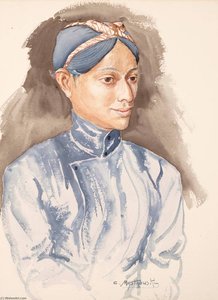
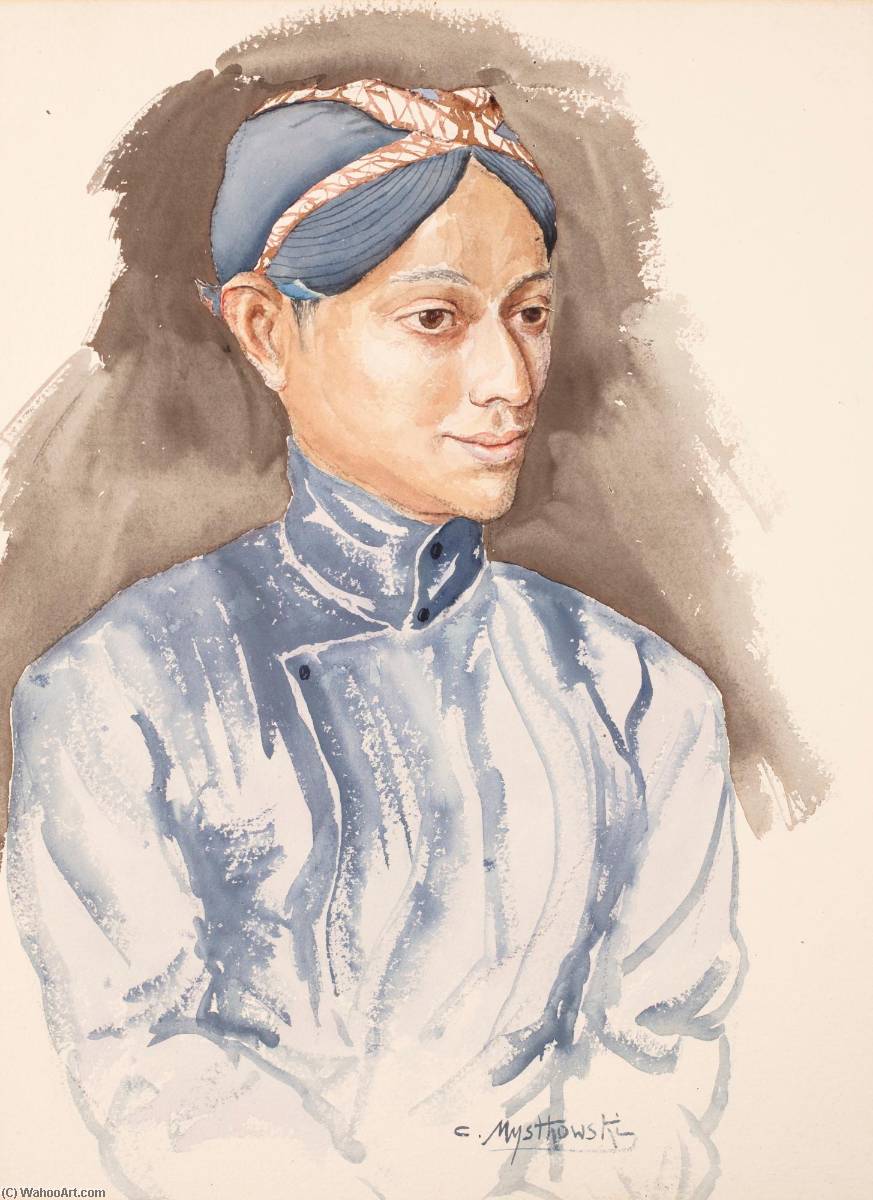
Portrait of a Javanese Man
 69.0 x 51.0 cm
 Read More
Giclée / Art Print
Museum-quality giclée or canvas print with fast production and flexible finish options. ( Buy Hand Made Painting Buy Image)




































Pick from our preset sizes that match the artwork's original proportions.

You may enter your own dimensions to fit a specific frame or space. If your selected size does not match the original image's proportions, we will either crop the artwork or extend the image with a mirrored or solid-fill edge. A digital mockup will be sent for your approval before production begins.
Please note that the on-screen preview does not reflect the actual cropping or extension. Only the mockup will accurately show the final composition.
While custom sizes are available, we recommend selecting a dimension from the predefined list to preserve the original proportions.
Worldwide Delivery () in 2 weeks instead of standard 4/5 weeks. (29 August)

Free Worldwide Express Shipping

High-Quality Linen Canvas

Full Shipping Insurance

Customs Tax Refund Guarantee

True Color Matching Guarantee

60-Day Return Policy (Defects Only)

100% Money-Back Guarantee

Bulk Discount Offer
 Glass option is only available in size under 110 CM

Portrait of a Javanese Man
Giclée / Art Print
Reproduction Size
-


Total Price
$ 63
Related Artworks









Artist Biography
The Poetic Soul of Displacement: The Life of Czesław Miłosz
Czesław Miłosz stands as a singular and profound voice in the landscape of twentieth-century literature, a writer whose very essence was shaped by the shifting borders and ethnic tensions of his homeland. Born in 1898 in the region of Wołyń, Poland, his early years were steeped in a world where identity was often caught in the crosswinds of historical upheaval. This formative period instilled within him an enduring sensitivity to the themes of displacement, loss, and the fragility of human existence—themes that would eventually become the heartbeat of his poetic oeuvre. His intellectual journey, which took him from the rigorous academic environments of Moscow and Warsaw to the vibrant, avant-garde circles of Paris, allowed him to weave together a tapestry of diverse cultural influences.
The development of Miłosz’s artistic style was deeply influenced by his exposure to the radical movements of his era. In Paris, during the 1920s, he immersed himself in the complexities of Surrealism and existentialist thought, learning to utilize dreamlike imagery and associative language to confront the difficult truths of reality. His work is characterized by a meticulous observation of the world, paired with a lyrical precision that captures both the beauty of nature and the horrors of human conflict. This duality—the ability to find the sacred within the mundane—is perhaps his greatest technical achievement, as he navigated the tension between the personal lyric and the historical epic.
Themes of Memory, Faith, and the Human Condition
The works of Miłosz are much more than mere verses; they are profound meditations on the weight of history and the persistence of memory. Through collections such as Zniewolony Cień (The Captive Shadow) and Dzienniki Ziemi (Diary of a Land), he grappled with the trauma of war and the complexities of human relationships under the shadow of totalitarianism. His writing often explores the intersection of faith and doubt, reflecting a soul that sought meaning amidst the wreckage of the twentieth century. There is a haunting quality to his exploration of exile, where the loss of a physical homeland mirrors a deeper, spiritual displacement.
Beyond the political and historical, Miłosz’s art is deeply rooted in the folklore and mythology of his Polish-Jewish heritage. This connection to myth allowed him to create a sense of timelessness within his poetry, bridging the gap between ancient tradition and modern catastrophe. His ability to synthesize these elements—the surreal, the historical, and the mythological—ensured that his work resonated far beyond the borders of Poland, touching upon universal truths about the human condition. His literary legacy is defined by this unwavering commitment to witnessing the truth, no matter how harrowing, while maintaining a profound reverence for the light of human consciousness.
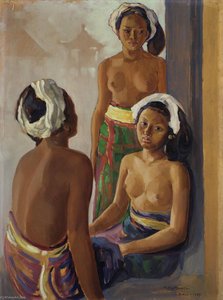
czeslaw mystkowski
1898 - 1938
Quick Facts
- Artistic Movement Or Style: Watercolor
- Artists Or Movements Influenced By This Artist: ['Catastrophism poetry']
- Artists Who Influenced This Artist: ['École de Paris']
- Date Of Birth: 1898
- Date Of Death: 1938
- Full Name: Czesław Miłosz
- Nationality: Polish
- Notable Artworks: ['Sindanglaya']
- Place Of Birth: Polish eastern land (Wołyń)