

 Preview
 Send
Send Share
Share
 Details

 Download
 Similars
 X-Ray
X-Ray Diaporama
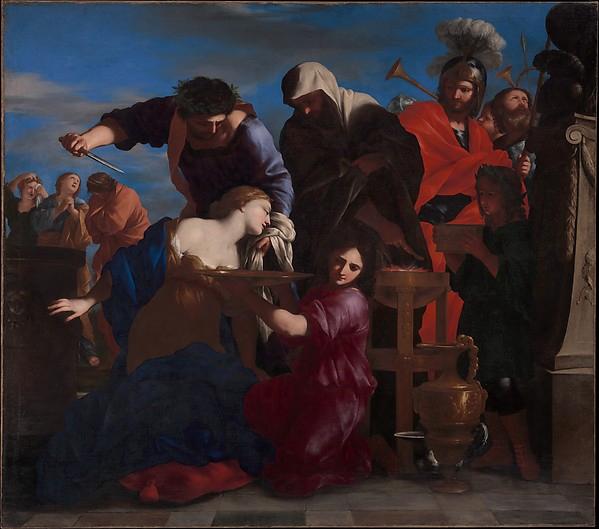
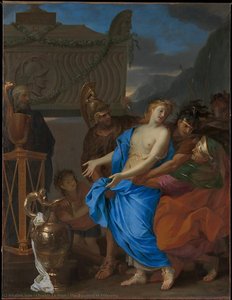
The Sacrifice of Polyxena
 Baroque
 198.0 x 224.0 cm
 Read More
Purchase a high-resolution, enhanced digital image, far superior to the online preview.
Each file is meticulously prepared by our in-house specialists using advanced tools and expert manual retouching. We ensure every image has exceptional clarity, precise color accuracy, and fine detail.
The final file is delivered via email within 72 hours, optimized for immediate use in professional, editorial, and print environments. This is the same quality trusted by top-tier design studios, publishers, and galleries.
Digital Image
Download a high-resolution file for personal display, printing, and creative projects. ( Buy Print Buy Hand Made Painting)
Included in Every Digital Image Order
Expert Digital Delivery, Guaranteed
When you choose ArtsDot.com, you're not just getting an image - you're receiving a professionally enhanced digital artwork, crafted with precision and backed by a satisfaction guarantee. Here's everything that comes with your order, automatically:

Fast Email Delivery
Your high-resolution digital image file will be emailed to you within 72 hours of ordering - ready for immediate use.

AI-Enhanced Digital File
Your artwork is professionally optimized using advanced AI tools and manual editing, ensuring maximum detail, clarity, and color accuracy.

Free Lifetime Re-Delivery
Accidentally deleted or lost your file? No worries - we'll resend it to you anytime, free of charge.

No Import Fees - Ever
Enjoy your artwork instantly with zero customs, duties, or delivery fees - digital downloads are always tax-free.

Color Accuracy Guarantee
We ensure your digital image reflects the original colors as closely as possible using professional tools and color management.

60-Day Satisfaction Guarantee
If you're not satisfied with your digital image, we'll revise it or refund 100% within 60 days - no questions asked.

100% Money-Back Guarantee
Not satisfied? Get a full refund within 60 days of receiving your digital file - no questions asked.

Bulk Order Discounts
Buy 3 images, save 10% - Buy 5, save 15% - Buy 10+, save 20%. Great for creative projects, galleries, and agencies.
Related Artworks
Artist Biography
Giovanni Francesco Romanelli: A Baroque Visionary
Giovanni Francesco Romanelli (1610 – November 9, 1662) stands as a pivotal figure in the Italian Baroque artistic landscape—a painter whose luminous palette and meticulous detail captivated audiences and cemented his legacy within the canon of European art history. Trained under the tutelage of Pietro da Cortona, Rome’s dominant artist of his era, Romanelli embarked on a prolific career marked by commissions from influential patrons and collaborations with fellow masters, ultimately establishing himself as one of the foremost decorators and painters of his time.Early Training & Patronage Under Barberini
Born in Viterbo to Laura de Angelis and Bartolomeo Romanelli, Giovanni Francesco’s artistic inclinations manifested early, propelling him toward Rome at the tender age of fourteen where he pursued formal training within Cortona's studio—a crucible for shaping the sensibilities of aspiring artists. This formative experience instilled a profound appreciation for classical ideals blended seamlessly with Baroque dynamism. Notably, Romanelli swiftly gained recognition as part of Cardinal Francesco Barberini’s household, securing invaluable access to artistic commissions and fostering connections that would prove crucial throughout his life. Cortona's influence extended beyond mere technique; it fostered a stylistic approach characterized by clarity, balance, and an unwavering commitment to portraying emotion with dignified restraint—principles Romanelli diligently adopted as he honed his craft.A Divergent Path & Artistic Independence
Despite the initial harmony within Cortona’s studio, tensions arose between the two artists, culminating in Romanelli's departure in 1639. Recognizing the limitations of institutional patronage, he boldly asserted his artistic independence by accepting the prestigious position of Director of Saint Luke’s Academy—a role that simultaneously nurtured talent and provided him with considerable autonomy. This decision coincided with a dramatic shift in papal fortunes under Urban VIII and Innocent X, diminishing Barberini's influence and consequently impacting Romanelli’s commissions. However, this period proved transformative, propelling him toward new horizons when he was summoned to Paris by Cardinal Mazarin—a commission that would propel him to international renown.Parisian Grandeur & Royal Recognition
Mazarin’s patronage afforded Romanelli the opportunity to undertake monumental fresco cycles inspired by Ovid's *Metamorphoses*, transforming the Château de Versailles into a breathtaking testament to Baroque artistry. Simultaneously, he undertook the decoration of the Queen’s Cabinet—a space designed to impress Anne of Austria and solidify Louis XIV’s reign—demonstrating his mastery of spatial illusion and opulent ornamentation. His dedication to royal service culminated in knighthood by King Louis XIV—a symbol of recognition for his artistic contributions and unwavering loyalty. Romanelli's Parisian endeavors solidified his reputation as a visionary decorator, elevating him beyond mere painterly skill into the realm of architectural grandeur.Notable Works & Artistic Legacy
Romanelli’s oeuvre encompasses a diverse range of subjects—religious narratives, mythological allegories, and portraits—each imbued with an extraordinary sensitivity to color and form. Among his most celebrated paintings are “The Sacrifice of Polyxena” in Sant'ambrogio della massima, depicting the poignant sorrow surrounding the martyrdom of Saint Polyxena; “Presentation in the Temple,” a mosaic altarpiece for St Peter’s Basilica—a masterpiece showcasing Romanelli’s meticulous attention to detail and masterful use of pigment; “Venus Pouring Balm on the Wound of Aeneas” displayed at the Louvre, embodying classical beauty intertwined with Baroque emotion. Furthermore, his contributions extended beyond Rome and Paris, including commissions in Indianapolis Museum of Art (“The Finding of Moses”) and Naples Museo di Capodimonte ("Sibilla"). He mentored talented artists like Urbano Romanelli and Giovanni Monevi, ensuring that his artistic principles endured through subsequent generations. Romanelli’s enduring influence stems from his unwavering commitment to Baroque aesthetics—characterized by luminous color palettes, dramatic compositions, and an unparalleled ability to convey psychological depth. His paintings continue to inspire admiration for their beauty and technical brilliance, securing his place as one of the most significant artists of the Baroque period and a cornerstone of European art history.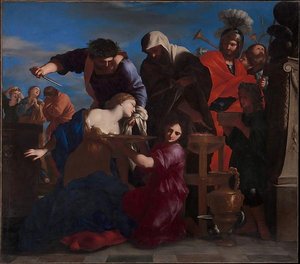
da giovanni francesco romanelli
1610 - 1662
Quick Facts
- Artistic Movement Or Style: Baroque
- Artists Or Movements Influenced By This Artist: ['Ludwig XIV']
- Artists Who Influenced This Artist: ['Pietro da Cortona']
- Date Of Birth: 1610
- Date Of Death: 9 November 1662
- Full Name: Giovanni Francesco Romanelli
- Nationality: Italian
- Notable Artworks:
- The Sacrifice of Polyxena
- Venus pouring a balm on the wound of Aeneas
- Campo di Santi Giovanni e Paolo
- Place Of Birth: Viterbo

