

 Preview
 Send
Send Share
Share
 Details

 Download
 Similars
 X-Ray
X-Ray Diaporama
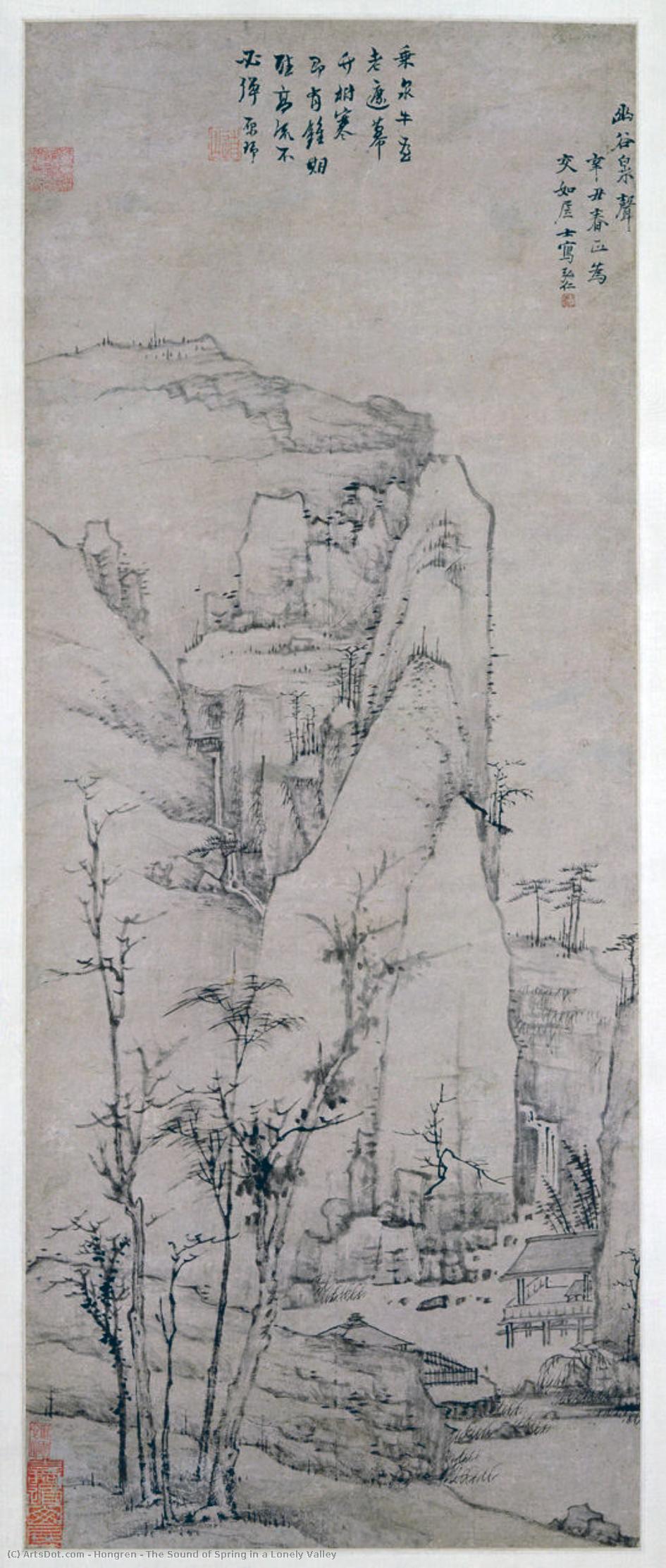
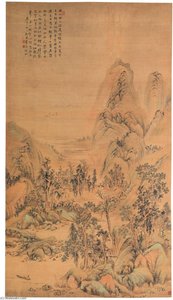
The Sound of Spring in a Lonely Valley
 1661
1661 103.0 x 41.0 cm
 Read More
Purchase a high-resolution, enhanced digital image, far superior to the online preview.
Each file is meticulously prepared by our in-house specialists using advanced tools and expert manual retouching. We ensure every image has exceptional clarity, precise color accuracy, and fine detail.
The final file is delivered via email within 72 hours, optimized for immediate use in professional, editorial, and print environments. This is the same quality trusted by top-tier design studios, publishers, and galleries.
Digital Image
Download a high-resolution file for personal display, printing, and creative projects. ( Buy Print Buy Hand Made Painting)
Included in Every Digital Image Order
Expert Digital Delivery, Guaranteed
When you choose ArtsDot.com, you're not just getting an image - you're receiving a professionally enhanced digital artwork, crafted with precision and backed by a satisfaction guarantee. Here's everything that comes with your order, automatically:

Fast Email Delivery
Your high-resolution digital image file will be emailed to you within 72 hours of ordering - ready for immediate use.

AI-Enhanced Digital File
Your artwork is professionally optimized using advanced AI tools and manual editing, ensuring maximum detail, clarity, and color accuracy.

Free Lifetime Re-Delivery
Accidentally deleted or lost your file? No worries - we'll resend it to you anytime, free of charge.

No Import Fees - Ever
Enjoy your artwork instantly with zero customs, duties, or delivery fees - digital downloads are always tax-free.

Color Accuracy Guarantee
We ensure your digital image reflects the original colors as closely as possible using professional tools and color management.

60-Day Satisfaction Guarantee
If you're not satisfied with your digital image, we'll revise it or refund 100% within 60 days - no questions asked.

100% Money-Back Guarantee
Not satisfied? Get a full refund within 60 days of receiving your digital file - no questions asked.

Bulk Order Discounts
Buy 3 images, save 10% - Buy 5, save 15% - Buy 10+, save 20%. Great for creative projects, galleries, and agencies.
Collectible Description
Related Artworks






Artist Biography
The Serene Legacy of Daman Hongren: Fifth Patriarch of Chan Buddhism
Daman Hongren, a figure shrouded in both historical fact and spiritual legend, occupies a pivotal position in the development of Chan (Zen) Buddhism. Born Chou in Huangmei, China, around 601 CE, his life wasn’t one of grand artistic pronouncements but rather a quiet dedication to enlightenment that profoundly shaped the course of Chinese art and philosophy. While not widely known as a painter in the conventional sense, Hongren's influence permeates the aesthetic principles underpinning much of Chan brushwork – an emphasis on spontaneity, simplicity, and the direct expression of inner experience. His story is inextricably linked to his role as the Fifth Patriarch, inheriting the mantle from Dayi Daoxin and passing it on to Huineng, solidifying a lineage that would define Zen practice for centuries.
Hongren’s early life hints at a privileged background, despite accounts of his father abandoning the family. This detail, scholars suggest, underscores the unusual nature of his later monastic devotion. He demonstrated exceptional filial piety in supporting his mother before embarking on his spiritual journey at the age of seven or twelve, seeking out Dayi Daoxin as his teacher. The encounter itself is steeped in symbolism; a dialogue centered around “essence” and “name,” revealing Hongren’s nascent understanding of emptiness – a core tenet of Buddhist thought. Daoxin immediately recognized Hongren's potential, bestowing upon him not just instruction but the symbolic robe and bowl, signifying Dharma transmission and the continuation of the Chan lineage.
The East Mountain Teachings and Artistic Expression
Following Daoxin’s death in 651 CE, Hongren established a thriving monastic community on Mount Huangmei, specifically the East Peak – hence the emergence of the “East Mountain Teachings.” This school of thought emphasized direct experience over scriptural study, fostering an environment where meditation and intuitive understanding were paramount. It is within this context that we begin to see the seeds of Hongren’s artistic legacy. While he may not have produced a vast body of paintings himself, his teachings profoundly influenced his disciples, particularly Yuquan Shenxiu, who became a leading figure in Chan Buddhism during his time. The art emanating from the East Mountain school is characterized by its spontaneity and rejection of elaborate technique. Landscapes often feature stark compositions, minimal brushstrokes, and an emphasis on capturing the essence of nature rather than meticulous representation.
Works attributed to artists within Hongren’s lineage – such as “Pines and Rocks in Mount Huang” and “The Sound of Spring in a Lonely Valley” – exemplify these principles. These paintings aren't merely depictions of scenery; they are visual koans, intended to provoke contemplation and facilitate enlightenment. The ruggedness of the mountains, the resilience of the pines, and the quiet solitude of the valleys all serve as metaphors for the challenges and rewards of the spiritual path. The use of ink is often restrained, allowing the white space on the paper to play an equally important role, representing emptiness and potentiality.
A Lineage of Enlightenment: Passing on the Dharma
Hongren’s most significant achievement lies not in a specific artwork but in his transmission of the Dharma to Huineng. This event, famously recounted in The Platform Sutra, is considered a turning point in Chan history. Huineng's unconventional approach – emphasizing sudden enlightenment rather than gradual cultivation – challenged established norms and ultimately became the dominant form of Zen practice. The story of how Hongren tested his disciples’ understanding before bestowing the robe upon Huineng highlights the importance of intuitive wisdom over intellectual prowess.
The impact of Hongren's teachings extended far beyond the realm of monastic life. His emphasis on direct experience resonated with artists and intellectuals alike, influencing a shift in aesthetic values that favored simplicity, naturalness, and the expression of inner truth. His legacy is visible in the works of countless Chan painters who followed, each striving to capture the essence of enlightenment through brush and ink. The serene landscapes they created – often imbued with a sense of quiet contemplation – stand as enduring testaments to the profound influence of this remarkable Fifth Patriarch.
Historical Significance and Enduring Influence
Daman Hongren’s historical significance rests on his role in solidifying Chan Buddhism's identity during a period of rapid growth and diversification. He navigated complex theological debates, fostered a thriving monastic community, and ultimately passed on the Dharma to Huineng, whose teachings would shape Zen practice for centuries to come. While details of his life remain shrouded in legend, the core principles he espoused – simplicity, spontaneity, and direct experience – continue to resonate with artists and spiritual seekers today.
- Chan Buddhism’s Fifth Patriarch: Inherited the lineage from Dayi Daoxin and passed it on to Huineng.
- East Mountain Teachings: Developed a school of thought emphasizing direct experience over scriptural study.
- Influence on Chan Art: Shaped aesthetic principles favoring spontaneity, simplicity, and intuitive expression.
- Legacy through Disciples: His teachings profoundly influenced artists like Yuquan Shenxiu.
Hongren’s story serves as a powerful reminder that true enlightenment isn't found in elaborate rituals or intellectual pursuits but rather in the quiet contemplation of one’s own inner experience. His legacy lives on not just in the historical records and philosophical texts but also in the serene landscapes created by generations of Chan painters who sought to capture the essence of his teachings through brush and ink.
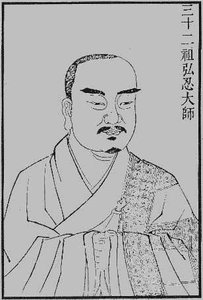
daman hongren
China
Quick Facts
- Artistic Movement Or Style: World Goes Pop
- Artists Or Movements Influenced By This Artist: ['Influences various contemporary artists']
- Artists Who Influenced This Artist: ['Influenced by diverse artists within the World Goes Pop movement']
- Date Of Death: Living
- Notable Artworks: ['Various works featured in The World Goes Pop exhibition']
- Place Of Birth: WahooArt

