 Preview
 Send
Send Share
Share
 Details

 Download
 Similars
 X-Ray
X-Ray Diaporama
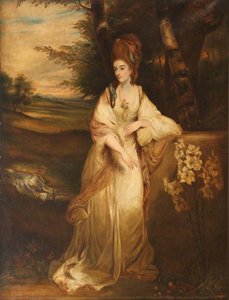
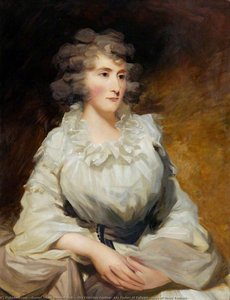
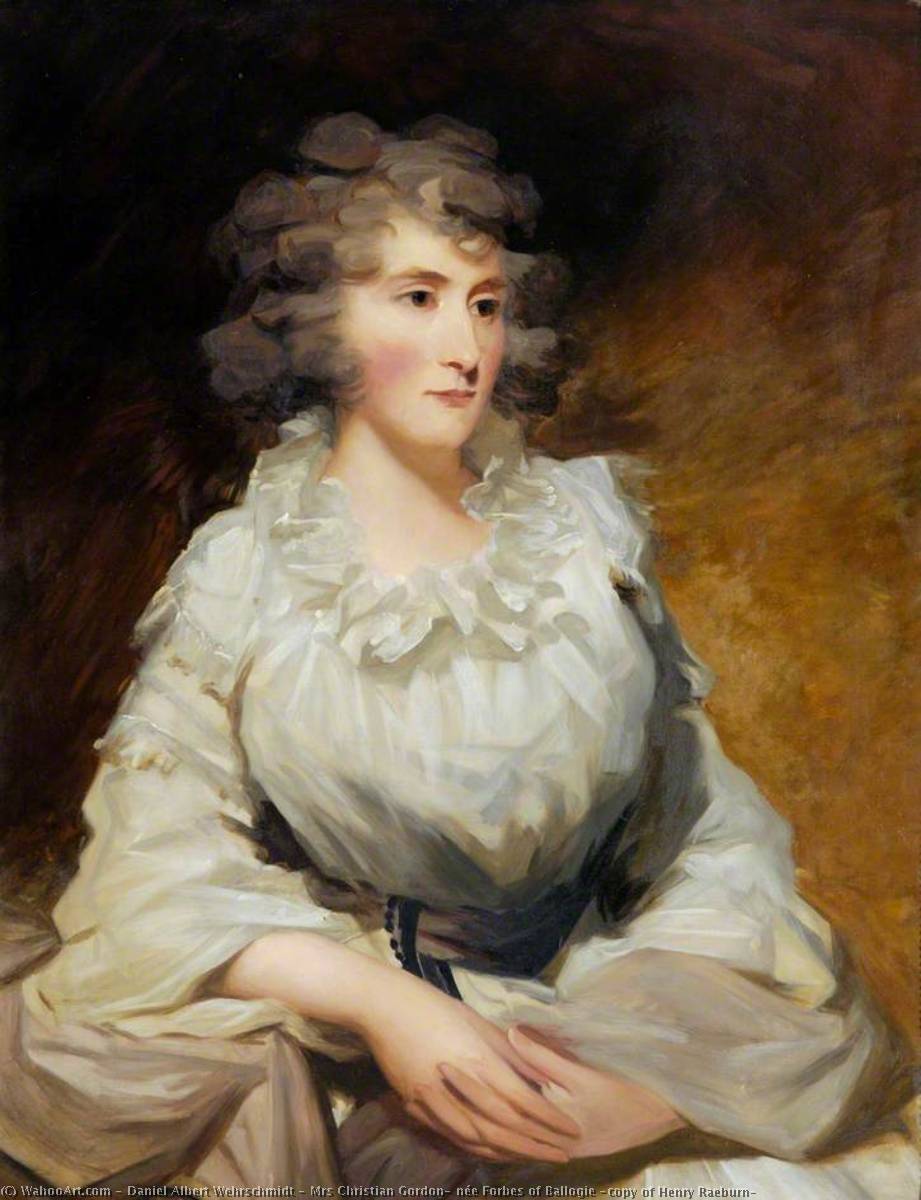
Mrs Christian Gordon, née Forbes of Ballogie (copy of Henry Raeburn)
 88.0 x 68.0 cm
 Read More
Giclée / Art Print
Museum-quality giclée or canvas print with fast production and flexible finish options. ( Buy Hand Made Painting Buy Image)




































Pick from our preset sizes that match the artwork's original proportions.

You may enter your own dimensions to fit a specific frame or space. If your selected size does not match the original image's proportions, we will either crop the artwork or extend the image with a mirrored or solid-fill edge. A digital mockup will be sent for your approval before production begins.
Please note that the on-screen preview does not reflect the actual cropping or extension. Only the mockup will accurately show the final composition.
While custom sizes are available, we recommend selecting a dimension from the predefined list to preserve the original proportions.
Worldwide Delivery () in 2 weeks instead of standard 4/5 weeks. (26 August)

Free Worldwide Express Shipping

High-Quality Linen Canvas

Full Shipping Insurance

Customs Tax Refund Guarantee

True Color Matching Guarantee

60-Day Return Policy (Defects Only)

100% Money-Back Guarantee

Bulk Discount Offer
 Glass option is only available in size under 110 CM

Mrs Christian Gordon, née Forbes of Ballogie (copy of Henry Raeburn)
Giclée / Art Print
Reproduction Size
-


Total Price
$ 63
Related Artworks









Artist Biography
The Soul Behind the Surface: The Life of Daniel Albert Wehrschmidt
In the grand tapestry of late Victorian and Edwardian art, few threads possess the intricate texture and psychological resonance found in the work of Daniel Albert Wehrschmidt. Born on November 24, 1861, in the burgeoning industrial landscape of Cleveland, Ohio, Wehrschmidt was a man of dual heritage, carrying the disciplined spirit of his German lineage alongside an unyielding American ambition. The son of a German immigrant tailor, his early years were steeped in the vibrant cultural currents of Cuyahoga County. Even as a teenager, he demonstrated a precocious mastery of form, exhibiting his works within local artistic circles and becoming a notable figure in the Cleveland Art Club. This formative period in America provided the foundational grit and technical curiosity that would later allow him to flourish on the international stage.
The trajectory of Wehrschmidt’s life shifted irrevocably in 1882, a moment of serendipity that brought him face-to-face with the legendary Hubert von Herkomer. During Herkomer's transatlantic tour, the seasoned master recognized a rare, luminous talent in the young American. This encounter was more than a mere meeting of minds; it was an invitation to a new destiny. Recognizing Wehrsch schmidt's potential, Von Herkomer beckoned him to England to join a revolutionary venture: a specialized art school in Bushey, Hertfordshire, designed to cultivate the next generation of illustrators and painters. Moving to England in 1883, Wehrschmidt did not merely become a student of this new movement; he became a pillar of it, serving as a teacher and eventually a co-owner of the school until its conclusion in 1896.
A Mastery of Realism and Psychological Depth
Wehrschmidt’s artistic output was characterized by an extraordinary versatility that spanned the delicate precision of lithography, the intricate detail of engraving, and the emotive power of oil painting. His style emerged from the heart of the Victorian era's fascination with realism, yet he transcended mere imitation through a profound understanding of human psychology. To gaze upon a Wehrschmidt portrait is to encounter more than just a likeness; it is to witness an exploration of the subject's inner life. He possessed a singular ability to capture the subtle tension in a gaze or the quiet melancholy in a posture, imbuing his subjects with a palpable, breathing presence.
His technical prowess was particularly evident in his contributions to the literary arts. He is famously noted for creating seven of the twenty-five illustrations for Thomas Hardy’s seminal novel, Tess of the d'Urbervilles, where his ability to translate narrative pathos into visual imagery helped cement the atmospheric weight of the text. His mastery of the medium was further recognized by the most prestigious institutions of his time:
- The Royal Academy, London: Where he exhibited ten significant paintings between 1886 and 1893.
- The Royal Water-Colour Society: A testament to his delicate handling of light and pigment.
- The Royal Engravers: Highlighting his technical command over the difficult mediums of etching and mezzotint.
Legacy and Enduring Significance
The historical significance of Daniel Albert Wehrschmidt lies in his role as a bridge between American vitality and British tradition. His work remains preserved in some of the world's most esteemed collections, ensuring that his vision of the human condition continues to resonate. One of his most profound achievements is perhaps his 1905 portrait of Robert Falcon Scott; a work so vital to the British national identity that it was accepted by the government in lieu of tax and allocated to the National Portrait Gallery, London.
Beyond individual portraits, Wehrschmidt left behind a literary legacy through his own writings, including his autobiography, My School and my Gospel (1907), and his technical treatise, Etchings and Mezzotint Engraving (1892). Through these works, he documented not only the evolution of his own craft but also the spirit of an era defined by meticulous observation and emotional nuance. Whether depicting the aristocratic poise of the Laird of Culloquhey or the literary ghosts of Hardy’s prose, Wehrschmidt remains a master of the silent dialogue between the artist's eye and the subject's soul.
daniel albert wehrschmidt
1861 - 1932
Quick Facts
- Artistic Movement Or Style: Realistic Portraiture
- Artists Or Movements Influenced By This Artist: ['George Daniell Museum']
- Artists Who Influenced This Artist: ['Hubert Von Herkomer']
- Date Of Birth: 1861
- Date Of Death: 1932
- Full Name: Daniel Albert Wehrschmidt
- Nationality: American
- Notable Artworks: ["William Sharp's Iconic Image"]
- Place Of Birth: Cleveland, Ohio