 Send
Send Share
Share
 Details

 Download
 Similars
 Diaporama
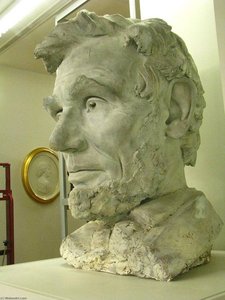
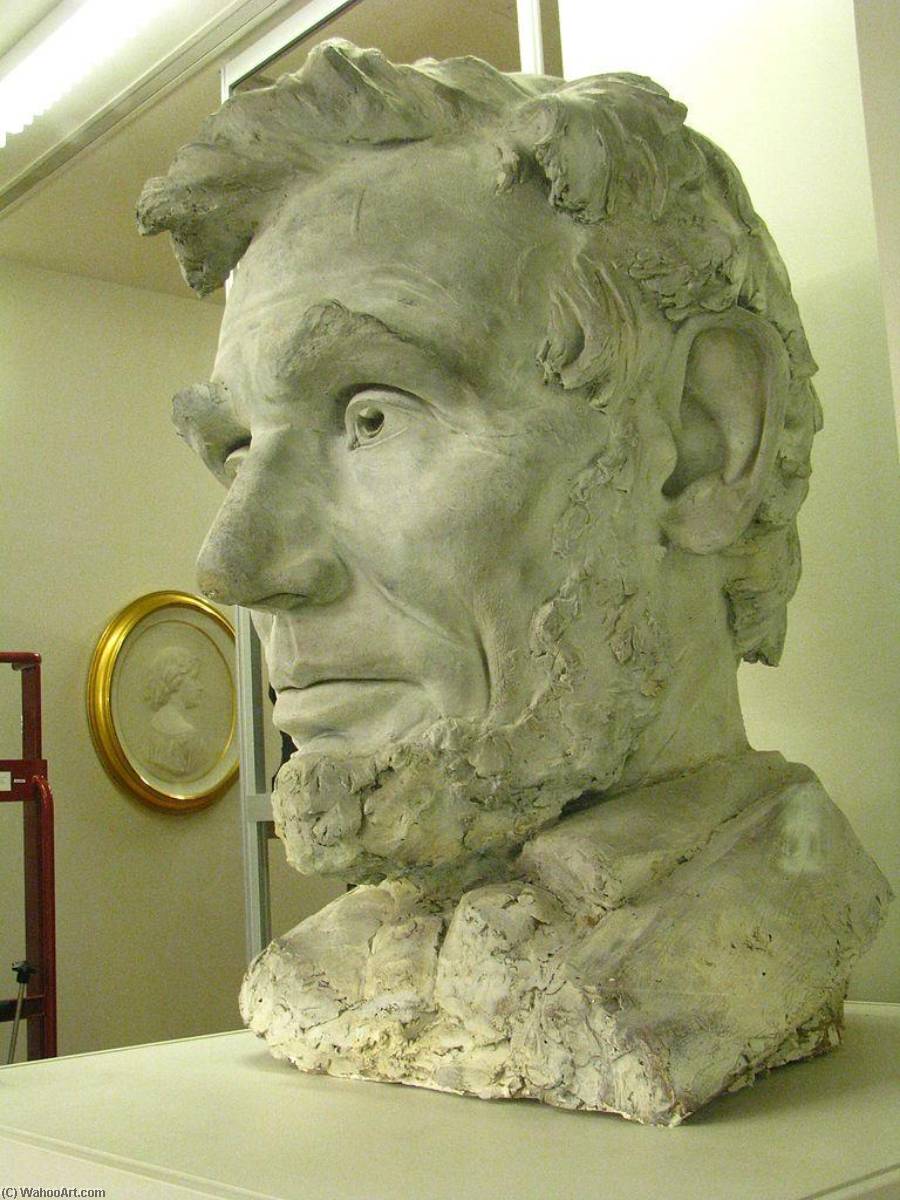
Head of Abraham Lincoln


 Read More
Hand Made Oil Reproduction
Hand-painted oil on canvas in your size and frame, made to order by our artists. ( Buy Print Buy Image)




































Pick from our preset sizes that match the artwork's original proportions.

You may enter your own dimensions to fit a specific frame or space. If your selected size does not match the original image's proportions, we will either crop the artwork or extend the painting with additional hand-painted elements. A digital mockup will be sent for your approval before production begins.
Please note that the on-screen preview does not reflect the actual cropping or extension. Only the mockup will accurately show the final composition.
While custom sizes are available, we recommend selecting a dimension from the predefined list to preserve the original proportions.
After order, ArtsDot.com team will email client for instructions and provide a mockup preview
Worldwide Delivery () in 3/4 weeks instead of standard 5 weeks. (26 August). No compromise on quality.

Free Worldwide Express Shipping

High-Quality Linen Canvas

Full Shipping Insurance

Customs Tax Refund Guarantee

True Color Matching Guarantee

60-Day Return Policy (Defects Only)

100% Money-Back Guarantee

Bulk Discount Offer
 Glass option is only available in size under 110 CM

Head of Abraham Lincoln
Reproduction Medium
Reproduction Size
-


Total Price
$ 263
Artwork Description
The Weight of Leadership: Daniel Chester French’s ‘Head of Abraham Lincoln’
Daniel Chester French's “Head of Abraham Lincoln,” a monumental bronze sculpture residing within the serene confines of the Lincoln Memorial in Washington, D.C., transcends mere portraiture; it embodies a profound meditation on leadership, responsibility, and the enduring weight of national destiny. Completed in 1922, this iconic work stands as a testament to French’s mastery of neoclassical style and his deep understanding of Lincoln's complex character – a man simultaneously revered and profoundly burdened by the immense task of preserving the Union during its most turbulent era. The sculpture isn’t simply a likeness; it’s an attempt to capture the very essence of Lincoln’s contemplative spirit, a quiet dignity forged in the crucible of war.
A Sculptor's Vision: Technique and Materials
French meticulously crafted this imposing figure primarily from bronze, utilizing a lost-wax casting process – a technique demanding both technical precision and artistic sensitivity. The sheer scale of the sculpture—nearly nine feet in height—immediately commands attention, drawing viewers into an intimate encounter with Lincoln’s face. Note the subtle variations in texture achieved through careful manipulation of the wax model before casting; these details, from the delicate lines around the eyes to the weathered creases on his forehead, lend a remarkable sense of realism and immediacy. The choice of bronze itself is significant: its inherent durability symbolizes Lincoln's enduring legacy, while its warm hue evokes a feeling of gravitas and solemnity. The seated pose, deliberately chosen by French, suggests introspection and a weighty consideration of the nation’s future – a posture that contrasts sharply with the dynamic imagery often associated with military leaders.
Symbolism and Context: The Burden of Command
Beyond a straightforward portrait, “Head of Abraham Lincoln” is laden with symbolic meaning. French deliberately depicted Lincoln in a seated position, resting his hands on his arms – an image that powerfully conveys the isolation and responsibility inherent in leadership during times of crisis. The downward gaze, often interpreted as melancholy, reflects the profound sorrow Lincoln felt over the immense loss of life and the division within the nation. The sculpture’s placement within the Lincoln Memorial, a temple dedicated to the preservation of the Union, reinforces this interpretation. French sought not just to capture Lincoln's physical appearance but also his inner state – the quiet strength and unwavering resolve required to guide a fractured nation through its darkest hour. The statue was commissioned during a period when American society was grappling with the legacy of slavery and the ongoing struggle for racial equality, adding another layer of complexity to the sculpture’s interpretation.
A Legacy in Stone: French's Artistic Journey and Enduring Impact
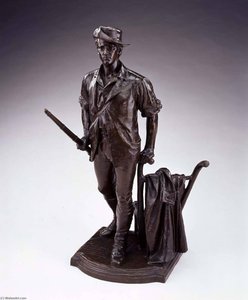
Daniel Chester French’s career spanned several decades, marked by a consistent dedication to monumental public works. His earlier masterpiece, “The Minute Man” in Concord, Massachusetts, established his reputation as a sculptor capable of capturing the spirit of American history and civic virtue. “Head of Abraham Lincoln,” however, represents the pinnacle of his artistic achievement – a work that continues to resonate with viewers today. The sculpture’s enduring popularity is a testament to its powerful emotional impact and its ability to evoke a deep sense of connection to one of America's most revered figures. It serves as a poignant reminder of the sacrifices made during the Civil War and the ongoing pursuit of justice and equality. Reproductions, like those offered by ArtsDot.com, allow audiences worldwide to experience the profound beauty and intellectual depth of this extraordinary work of art.
Related Artworks


Artist Biography
A Life Sculpted in Stone and Ideals
Daniel Chester French, a name synonymous with American monumental sculpture, emerged from the quiet landscapes of Exeter, New Hampshire, in 1850 to leave an indelible mark on the nation’s artistic consciousness. Born into a family steeped in intellectual and civic life – his father was a lawyer, judge, and even served as Assistant U.S. Treasury Secretary – French's early inclinations leaned toward the tactile world of art. Even as a child, he demonstrated a natural aptitude for shaping forms from wood and gypsum, hinting at the creative force that would soon blossom. His formal education began at Massachusetts Institute of Technology, but the rigid structure proved ill-suited to his artistic temperament. A pivotal moment arrived with informal lessons from Abigail May Alcott, sister of Louisa May Alcott, who ignited within him a passion for sculpting. This early mentorship was followed by apprenticeships with established sculptors like John Quincy Adams Ward and anatomy studies under William Rimmer, laying the groundwork for his technical mastery. These formative years weren’t solely dedicated to artistic pursuit; French supported himself through portrait busts and figurines, honing his skills while building a foundation for his future endeavors.From Concord's Fields to National Monuments
French’s ascent into prominence began with The Minute Man, unveiled in 1875 at Concord, Massachusetts. This statue, commemorating the opening shots of the American Revolution, wasn’t merely a historical depiction; it was an embodiment of courage and resolve, instantly resonating with the national spirit. It marked a turning point, establishing French as a sculptor capable of capturing profound emotion and narrative within stone and bronze. The success of The Minute Man propelled him onto a larger stage, culminating in his breathtaking Statue of the Republic for the 1893 World’s Columbian Exposition in Chicago. This colossal allegorical figure showcased not only French's technical prowess but also his ambition to create works that spoke to grand themes and national identity. However, it is arguably his work on the Lincoln Memorial, begun in the early 1920s, that cemented his legacy. The seated statue of Abraham Lincoln within this iconic monument isn’t simply a likeness; it's a powerful representation of sorrow, wisdom, and unwavering determination – an enduring symbol of American ideals. Beyond these masterpieces, French contributed significantly to the nation’s artistic landscape with works like The First Division Monument, the Butt-Millet Memorial Fountain in Washington D.C., the John Harvard statue at Harvard University, and the intricate bronze doors adorning the Boston Public Library.A Synthesis of Styles and Influences
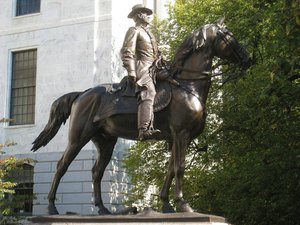
Daniel Chester French’s artistic style was deeply rooted in Neoclassicism, a movement that celebrated the idealized forms and balanced compositions of classical antiquity. This foundation was further enriched by his exposure to the Beaux-Arts style during studies in Paris, which emphasized grandeur, symmetry, and elaborate ornamentation. However, French wasn’t merely an imitator of European traditions; he consciously sought to infuse his work with a distinctly American sensibility. He aimed to create sculptures that reflected the nation's history, values, and aspirations, forging a unique artistic voice that resonated with a burgeoning national identity. A significant aspect of his creative process was his frequent collaboration with woodcarver Edward C. Potter. This partnership allowed for a seamless integration of skills and media, resulting in works where French’s sculptural vision was beautifully realized through Potter's masterful craftsmanship. Their combined talents were evident in projects like the General Grant statue in Chicago and the equestrian statue of Joseph Hooker in Boston.A Lasting Legacy: The Dean of American Sculptors
Daniel Chester French is rightfully regarded as the “dean of American sculptors” for his profound contributions to public art and his ability to encapsulate national identity within his creations. His works aren’t merely statues; they are iconic symbols that grace major cities and landmarks across the country, serving as constant reminders of America's history and ideals. A founding member of the National Sculpture Society, French also held honorary degrees from numerous universities, acknowledging his significant impact on the artistic community. Perhaps one of the most enduring tributes to his life and work is Chesterwood, his home and studio in Stockbridge, Massachusetts, now preserved as a museum. This sanctuary offers visitors a glimpse into his creative process and provides a tangible connection to the man behind the monuments. His influence extends far beyond his own lifetime, inspiring subsequent generations of American sculptors who sought to create monumental works that celebrated national heritage. French’s legacy continues to resonate today, reminding us of the power of art to shape our understanding of ourselves and our nation.Beyond the Monuments: A Wider Recognition
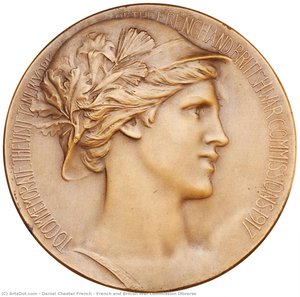
While best known for his grand public sculptures, Daniel Chester French's artistic reach extended into other areas. His designs were featured on coinage, notably the French and British War Commission Obverse, demonstrating his versatility as an artist. Even beyond the realm of fine art, his name became associated with a World War II Liberty ship, the SS Daniel Chester French, a testament to his standing in American society. Interestingly, his name also inspired the formation of the indie pop band "Chester French," highlighting how his legacy permeated popular culture. The enduring interest in his work is further evidenced by numerous scholarly articles and online resources dedicated to his life and art, including entries on Wikipedia and detailed analyses from institutions like the Metropolitan Museum of Art and the Smithsonian American Art Museum. These resources provide valuable insights into his techniques, influences, and lasting impact on the world of sculpture.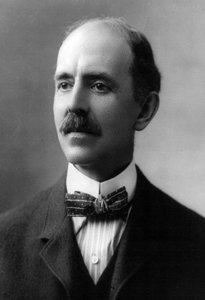
Daniel Chester French
1850 - 1931 , United States of America
Quick Facts
- Artistic Movement Or Style: Neoclassical, Beaux-Arts
- Artists Or Movements Influenced By This Artist: ['American sculptors']
- Artists Who Influenced This Artist:
- John Quincy Adams Ward
- William Rimmer
- Date Of Birth: April 20, 1850
- Date Of Death: October 7, 1931
- Full Name: Daniel Chester French
- Nationality: American
- Notable Artworks:
- The Minute Man
- Statue of the Republic
- Lincoln Memorial
- Place Of Birth: Exeter, USA
Related Articles

Bronze Sculptures That Defined Art History | ArtsDot
Journey through art history with our Top 10 bronze sculptures! Explore masterpieces by Rodin, Michelangelo & more. Discover stories behind iconic statues and find museum-quality reproductions for your home decor at ArtsDot.com.

Bronze Age to Modern Masters: 10 Sculptures That Redefined Art | ArtsDot
Journey through art history with 10 legendary bronze sculptures – from Michelangelo's David to Rodin’s Thinker. Explore the stories, techniques & timeless beauty of these masterpieces. Find museum-quality reproductions & elevate your home decor on ArtsDot.com.

The Enduring Form: Exploring Themes & Techniques in Sculpture Across Historical Periods
Explore the rich history of sculpture from ancient masterpieces to contemporary innovations. Discover key techniques, influential artists & investment potential for discerning art collectors.

The Enduring Form: Sculpture Across History, Technique & Emotional Resonance
Explore the rich history of sculpture with ArtsDot. Discover key techniques, influential artists & investment potential for discerning collectors. Expert insights into valuing and collecting timeless masterpieces.
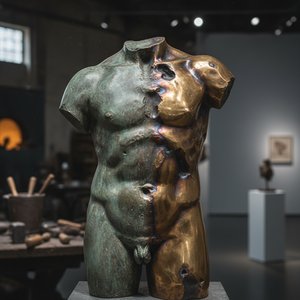
The Enduring Legacy of Bronze Sculpture: History, Techniques & Contemporary Interpretations
Explore the rich history & enduring appeal of bronze sculpture. Learn about casting techniques, iconic artists, collecting tips, & contemporary interpretations. Expert insights for discerning art collectors.