 Preview
 Send
Send Share
Share
 Details

 Download
 Similars
 X-Ray
X-Ray Diaporama
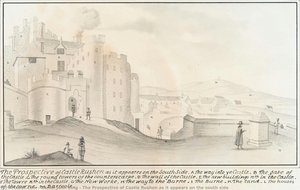
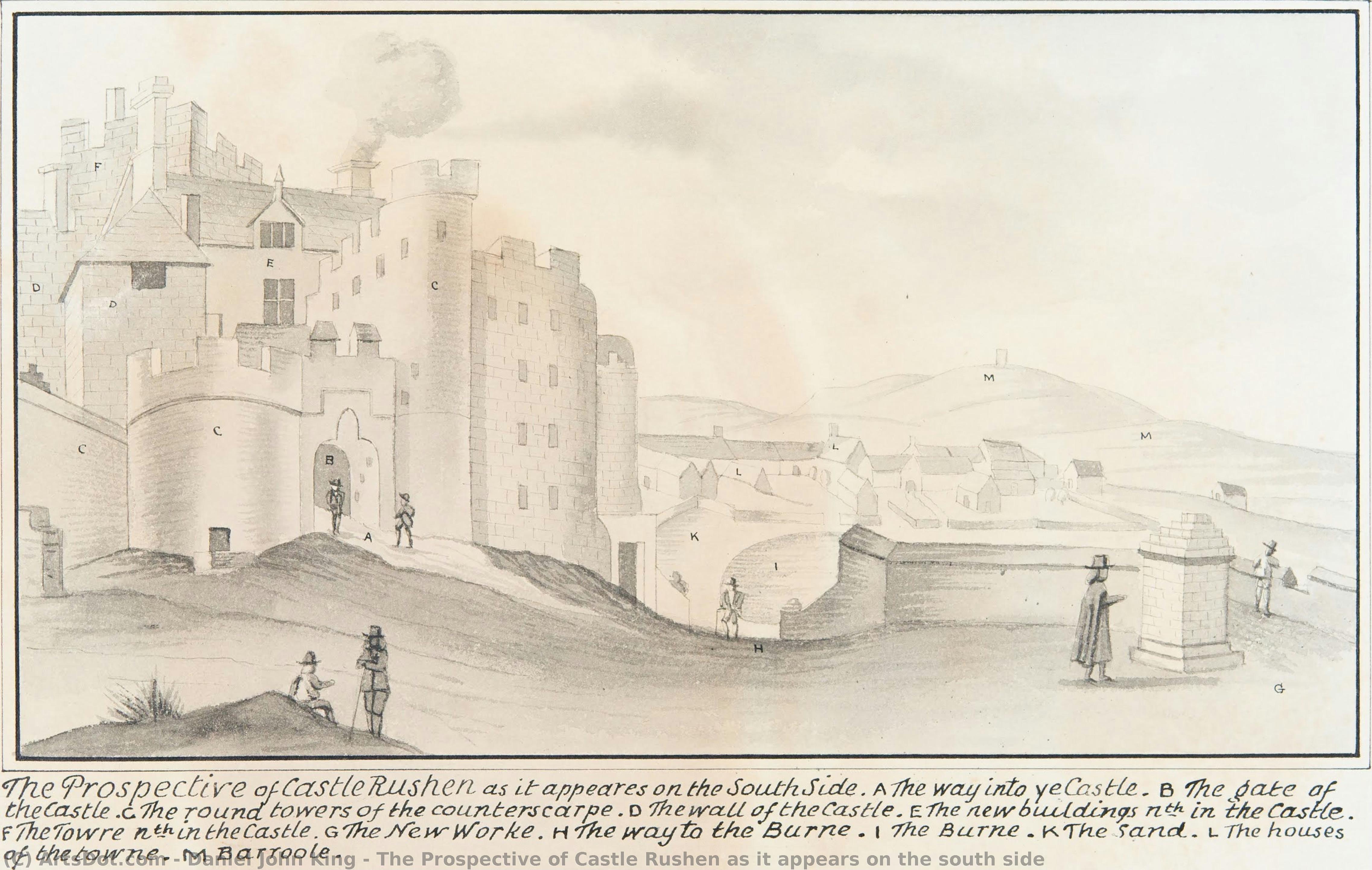
The Prospective of Castle Rushen as it appears on the south side
 1800
1800 23.0 x 34.0 cm
 Manx National Heritage
 Read More
Hand Made Oil Reproduction
Hand-painted oil on canvas in your size and frame, made to order by our artists. ( Buy Print Buy Image)




































Pick from our preset sizes that match the artwork's original proportions.

You may enter your own dimensions to fit a specific frame or space. If your selected size does not match the original image's proportions, we will either crop the artwork or extend the painting with additional hand-painted elements. A digital mockup will be sent for your approval before production begins.
Please note that the on-screen preview does not reflect the actual cropping or extension. Only the mockup will accurately show the final composition.
While custom sizes are available, we recommend selecting a dimension from the predefined list to preserve the original proportions.
After order, ArtsDot.com team will email client for instructions and provide a mockup preview
Worldwide Delivery () in 3/4 weeks instead of standard 5 weeks. (22 August). No compromise on quality.

Free Worldwide Express Shipping

High-Quality Linen Canvas

Full Shipping Insurance

Customs Tax Refund Guarantee

True Color Matching Guarantee

60-Day Return Policy (Defects Only)

100% Money-Back Guarantee

Bulk Discount Offer
 Glass option is only available in size under 110 CM

The Prospective of Castle Rushen as it appears on the south side
Reproduction Medium
Reproduction Size
-


Total Price
$ 263
Related Artworks







Artist Biography
A Cartographer of Stone and Shadow: The World of Daniel John King
Daniel John King, born in Beckenham, United Kingdom, in 1616, occupies a fascinating, if somewhat understated, position within the landscape of 17th-century British art. He wasn’t a painter chasing fleeting light or a portraitist capturing aristocratic grandeur; instead, King was a meticulous documentarian, an etcher who dedicated his skill to rendering the solid permanence of castles, towns, and the broader topography of a nation undergoing profound change. While not enjoying the widespread renown of some contemporaries, his work offers invaluable glimpses into a Britain grappling with civil war and societal shifts, preserved through the delicate lines etched onto metal plates. Details surrounding King’s early life remain elusive, yet hints suggest connections to landowning families – a background that likely fostered an appreciation for estates and fortifications, becoming central themes in his artistic practice. He lived during a period of immense political and social upheaval, events which subtly infused his work with a sense of historical weight and the fragility of established order.The Etcher’s Precision: Style and Technique
King's chosen medium, etching, was pivotal to both his artistic style and his reach. Unlike painting, which demanded patronage and time, etching allowed for relatively swift reproduction, making images accessible to a wider audience hungry for visual information. This technique involved incising lines into a metal plate – typically copper – with an acid-resistant ground protecting the areas not meant to be etched. The exposed lines were then bitten by acid, creating recessed grooves that held ink, transferring the image onto paper when pressed. King’s mastery of this process is evident in the remarkable precision and detail characterizing his work. He wasn't interested in romanticized visions; rather, he focused on accurate depictions of existing structures and locations. His style isn’t flamboyant or expressive; it’s one of quiet observation, a commitment to topographical fidelity. Yet, within that dedication to accuracy, there exists a subtle atmospheric quality – a delicate rendering of light and shadow that breathes life into stone and landscape. He wasn't merely copying what he saw; he was interpreting it through the lens of his skill, creating images that are both informative and aesthetically pleasing.Castles, Landscapes, and Portraits: A Topographical Legacy
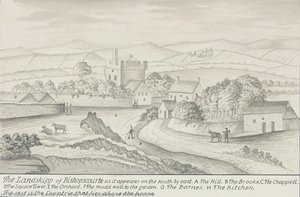
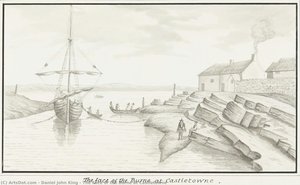
The core of King’s *oeuvre* lies in topographical views, meticulously rendered depictions of British landscapes and architecture. Among his most recognized works is The Prospective of Castle Rushen as it appears on the south side, a detailed study of this historic castle located on the Isle of Man. The etching showcases not only the architectural intricacies of the fortress but also its imposing presence within the surrounding landscape. Similarly, The Landskipp of Bishopscourte presents a rural scene punctuated by architectural elements, demonstrating King’s ability to integrate man-made structures harmoniously into natural settings. The Face of the Burne at Castletowne captures the scenic beauty of a river and its surroundings with characteristic precision. Beyond landscapes, King also demonstrated skill in portraiture, as evidenced by Dr Henry Beeke, an etching that reveals his ability to capture human likenesses with sensitivity and detail. These works collectively paint a picture of 17th-century Britain – a nation defined by its castles, towns, and the lives of those who inhabited them.Echoes of Influence: Dutch Masters and British Tradition
Pinpointing direct influences on King’s work is challenging, but it's clear he was aware of contemporary artistic trends, particularly within topographical printmaking traditions in the Netherlands and Flanders. Artists like Wenceslaus Hollar, renowned for his detailed etchings of London and other European cities, likely served as inspiration. Hollar’s commitment to accuracy and meticulous detail resonates strongly in King’s own work. The broader artistic climate of the 17th century – with its growing emphasis on observation and realism – also played a significant role. This period witnessed a shift away from stylized depictions towards a greater desire for accurate representation, a trend that King wholeheartedly embraced. He wasn't simply copying existing styles; he was contributing to a burgeoning movement focused on capturing the world as it truly appeared.A Historian in Lines: Significance and Enduring Appeal
Daniel John King’s historical significance resides in his contribution to documenting British landscapes and architecture during a crucial period of transition. His etchings provide valuable records of structures that have since been altered or lost, offering modern viewers a glimpse into the past. He represents a pivotal shift towards greater accuracy in landscape representation, paving the way for later topographical artists who would build upon his foundations. Though not a household name, King’s work continues to be appreciated by art historians and collectors interested in 17th-century British art. His etchings offer a unique window into a bygone era, allowing us to visualize landscapes and buildings as they appeared centuries ago – a testament to the enduring power of meticulous observation and artistic skill. He leaves behind not just images, but invaluable historical records etched in lines of remarkable precision and quiet beauty.
Daniel John King
1963 - , United Kingdom
Quick Facts
- Artistic Movement Or Style: Topographical etching
- Artists Who Influenced This Artist: ['Wenceslaus Hollar']
- Date Of Birth: 1616
- Date Of Death: 1661
- Full Name: Daniel John King
- Nationality: British
- Notable Artworks:
- Castle Rushen view
- Landskipp Bishopscourte
- Burne at Castletowne
- Dr Henry Beeke
- Place Of Birth: Beckenham, UK