

 Preview
 Send
Send Share
Share
 Details

 Download
 Similars
 X-Ray
X-Ray Diaporama
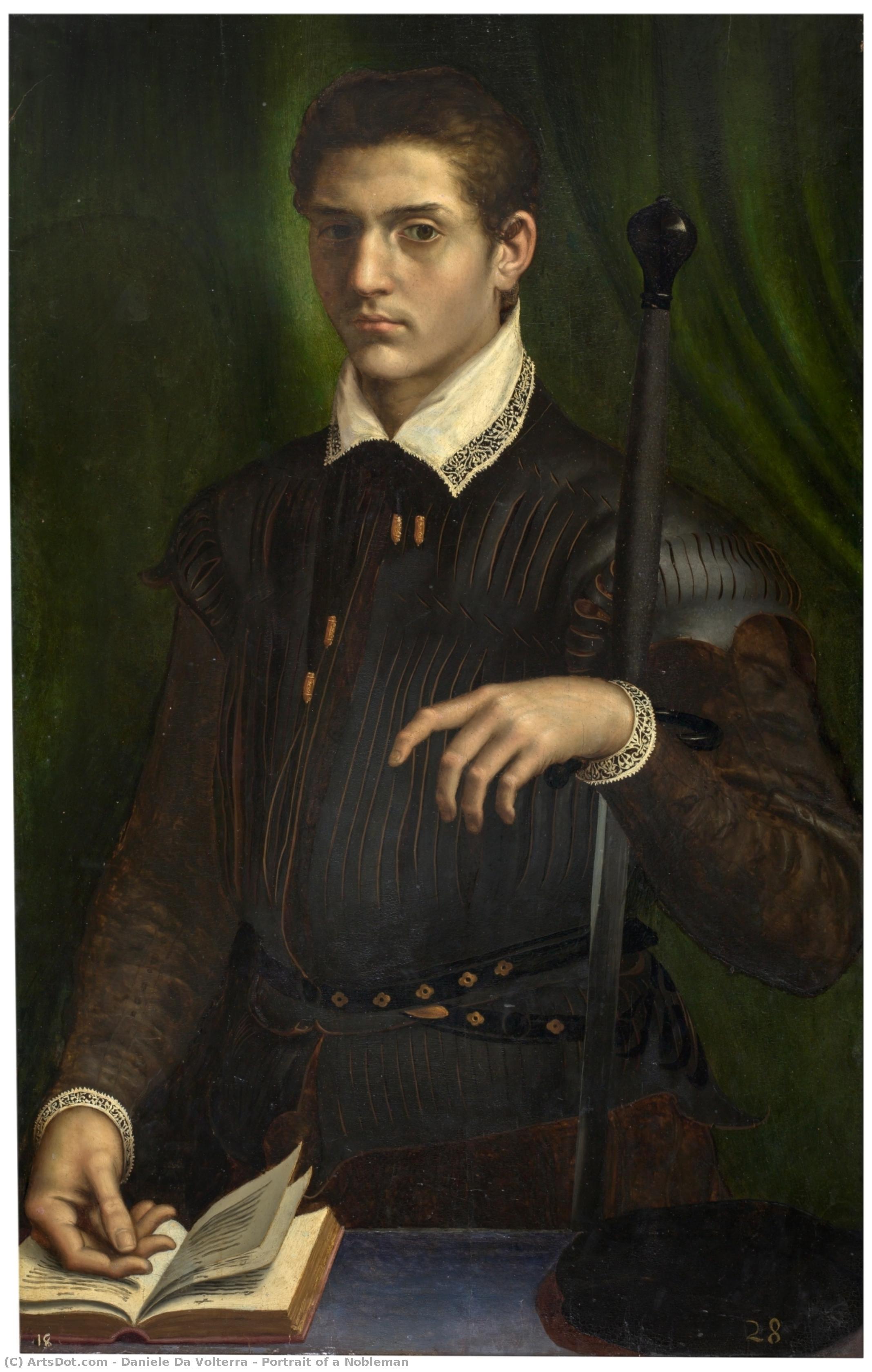
Portrait of a Nobleman
 Oil
Oil- WallArt
- Mannerism
 1555
1555- Renaissance
 101.0 x 64.0 cm
 Prado Museum
 Read More
Purchase a high-resolution, enhanced digital image, far superior to the online preview.
Each file is meticulously prepared by our in-house specialists using advanced tools and expert manual retouching. We ensure every image has exceptional clarity, precise color accuracy, and fine detail.
The final file is delivered via email within 72 hours, optimized for immediate use in professional, editorial, and print environments. This is the same quality trusted by top-tier design studios, publishers, and galleries.
Digital Image
Download a high-resolution file for personal display, printing, and creative projects. ( Buy Print Buy Hand Made Painting)
Included in Every Digital Image Order
Expert Digital Delivery, Guaranteed
When you choose ArtsDot.com, you're not just getting an image - you're receiving a professionally enhanced digital artwork, crafted with precision and backed by a satisfaction guarantee. Here's everything that comes with your order, automatically:

Fast Email Delivery
Your high-resolution digital image file will be emailed to you within 72 hours of ordering - ready for immediate use.

AI-Enhanced Digital File
Your artwork is professionally optimized using advanced AI tools and manual editing, ensuring maximum detail, clarity, and color accuracy.

Free Lifetime Re-Delivery
Accidentally deleted or lost your file? No worries - we'll resend it to you anytime, free of charge.

No Import Fees - Ever
Enjoy your artwork instantly with zero customs, duties, or delivery fees - digital downloads are always tax-free.

Color Accuracy Guarantee
We ensure your digital image reflects the original colors as closely as possible using professional tools and color management.

60-Day Satisfaction Guarantee
If you're not satisfied with your digital image, we'll revise it or refund 100% within 60 days - no questions asked.

100% Money-Back Guarantee
Not satisfied? Get a full refund within 60 days of receiving your digital file - no questions asked.

Bulk Order Discounts
Buy 3 images, save 10% - Buy 5, save 15% - Buy 10+, save 20%. Great for creative projects, galleries, and agencies.
Collectible Description
A Glimpse into Renaissance Grandeur
In the quiet, dignified presence of Daniele da Volterra’s Portrait of a Nobleman, we are transported back to the year 1555, an era where every brushstroke served to communicate status, intellect, and the enduring weight of lineage. The painting captures a man of profound importance, draped in the exquisite textures of Renaissance fashion. His attire, characterized by a meticulously rendered ruffled collar and a structured suit, speaks to a life of refinement and high social standing. As he holds a staff—a potent symbol of authority and command—the viewer is immediately struck by the subject's commanding yet composed demeanor. This is not merely a likeness; it is a carefully constructed persona designed to project the elegance and sophistication of the Italian nobility.
The composition breathes with the atmosphere of a private, scholarly sanctuary. In the soft, ambient light of the background, a dining table emerges, upon which rests a solitary book. This subtle inclusion serves as a brilliant narrative device, suggesting that beneath the nobleman's outward display of power lies a deep-seated devotion to learning and contemplation. The interplay between the physical symbols of wealth—the fine fabrics and the staff—and the intellectual symbol of the book creates a beautiful tension, portraying a man who is as much a master of thought as he is a master of his domain.
Mastery of Mannerist Technique
Daniele da Volterra, an artist whose career was famously intertwined with the legendary Michelangelo, brings a unique Mannerist sensibility to this portrait. The technique is characterized by a remarkable attention to detail that invites the eye to linger on the tactile qualities of the scene. One can almost feel the crispness of the linen collar and the heavy, luxurious weight of the nobleman's garments. The artist employs a sophisticated use of light and shadow, or chiaroscuro, to sculpt the subject's features, giving the face a lifelike depth and a soulful, penetrating gaze that seems to follow the observer across the room.
The color palette is rich yet controlled, utilizing deep, earthy tones that ground the portrait in a sense of historical permanence. This mastery of pigment and light allows the textures of the indoor environment—the wood of the table and the subtle shadows of the background—to recede, ensuring that the nobleman remains the undisputed focal point. For the discerning collector or interior designer, this painting offers more than just visual beauty; it provides a window into the technical prowess of the 16th century, making it an exquisite centerpiece for any space dedicated to classical elegance.
An Eternal Presence for Modern Interiors
Beyond its historical significance, the Portrait of a Nobleman possesses an emotional resonance that transcends the centuries. There is a certain stillness in the work, a sense of timelessness that can bring a profound sense of calm and dignity to a contemporary room. Whether placed in a formal study, a grand hallway, or a curated gallery wall, this piece acts as an anchor of sophistication. It invites conversation about history, art, and the human condition, making it an ideal acquisition for those who appreciate art that tells a story.
For those seeking to infuse their homes with the spirit of the Italian Renaissance, a high-quality reproduction of this masterpiece offers a rare opportunity to live alongside history. The painting’s ability to harmonize with both traditional and modern decor makes it a versatile choice for creating an atmosphere of cultured luxury. It is a tribute to the enduring power of portraiture—a celebration of identity, intellect, and the timeless allure of the noble spirit.
Related Artworks
Artist Biography
Daniele da Volterra: The Sculptor of Secrets and Shifting Forms
Daniele Ricciarelli, born in the ancient Etruscan town of Volterra around 1509, ultimately became known as Daniele da Volterra – a name inextricably linked to both artistic brilliance and controversy. His life unfolded against the backdrop of Renaissance Italy, a period of fervent creativity and shifting religious sensibilities. Initially apprenticed to Sienese masters like Il Sodoma and Baldassare Peruzzi, Daniele’s trajectory shifted dramatically when he journeyed to Rome, where he found himself drawn into the orbit of Michelangelo – a relationship that would profoundly shape his artistic development and ultimately define his legacy. More than just a painter or sculptor, Daniele was a master of adaptation, a skilled craftsman who skillfully navigated the demands of powerful patrons while simultaneously challenging established norms within the art world.
Daniele’s early years were marked by a restless pursuit of knowledge and experience. He honed his skills under Perino del Vaga, contributing to lavish frescoes in prestigious Roman palaces. However, it was his association with Michelangelo that proved transformative. The sheer force of Michelangelo's genius ignited within Daniele a desire to emulate and surpass his mentor. This ambition manifested itself not only through diligent study but also through a willingness to engage directly with Michelangelo’s designs – a practice that would later generate considerable debate and ultimately earn him the unflattering moniker “Il Braghettone,” or “the breeches maker.”
The Shadow of the Last Judgment
Daniele's most infamous contribution to art history lies within the Sistine Chapel’s *Last Judgment*. Commissioned by Pope Paul III in 1565, shortly after the Council of Trent condemned nudity in religious art, Daniele was tasked with concealing the exposed bodies of Christ and his disciples. Rather than simply covering them with drapery – a common practice at the time – Daniele employed a remarkably audacious strategy: he meticulously draped voluminous garments and leafy fig-leaves over the genitals and backsides of the figures. This intervention, while intended to appease the conservative sensibilities of the Church, ultimately resulted in a deeply unsettling effect, transforming the fresco into a bizarre and disconcerting spectacle.
The controversy surrounding Daniele’s work extended beyond mere aesthetic concerns. He was accused of deliberately altering Michelangelo's original designs, a charge that fueled accusations of heresy and sacrilege. The incident cemented his reputation as a controversial figure – an artist willing to bend the rules in pursuit of patronage and recognition. It is believed that Daniele’s actions were not entirely motivated by artistic considerations; he may have been attempting to subtly critique the rigid moral constraints imposed by the Council of Trent, albeit through a highly unconventional means.
Sculpting Shadows: Beyond the Fresco
While his work on *The Last Judgment* remains Daniele’s most widely discussed contribution, it represents only a fraction of his artistic output. He was equally adept as a sculptor, producing works that showcased both technical skill and a keen understanding of human anatomy. His sculpture of Cleopatra, housed in the Belvedere at Vienna, is a testament to his ability to capture elegance and power – a remarkable feat considering its relatively late creation (circa 1540-1545). The piece demonstrates a masterful command of marble, capturing the queen’s regal bearing with subtle details and a sense of restrained sensuality.
Daniele's sculptural endeavors extended beyond single figures. He was commissioned to create a monumental bronze equestrian statue for Henry II of France, a project that ultimately fell short of completion. Despite his meticulous work on the horse itself – which later served as the basis for Louis XIII’s statue at Place Royale – the entire commission was dismantled during the French Revolution, erasing much of Daniele's ambition from history.
A Legacy of Innovation and Controversy
Daniele da Volterra’s career is a complex tapestry woven with threads of artistic brilliance, political maneuvering, and profound controversy. He was a product of his time – an artist operating within the constraints of religious dogma while simultaneously striving to assert his own creative vision. His willingness to challenge established norms, coupled with his technical skill and sensitivity to human form, cemented his place as a significant figure in the Mannerist movement. Despite the controversies that surrounded him, Daniele’s work continues to fascinate and provoke debate, offering a unique window into the artistic and religious landscape of 16th-century Italy.
His pupils included painter Michele Alberti. Sybil (c. 1540–1545); Hermitage Museum, Saint petersburgdescent from the cross (c. 1545), before its 2004 restoration; trinità dei monti, romedescent from the cross (detail, before restoration)descent from the cross (detail, after restoration)
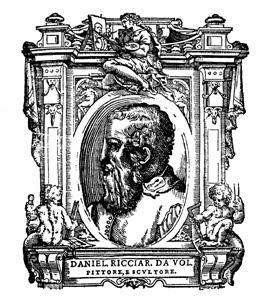
Daniele da Volterra
1509 - 1566 , Italy
Quick Facts
- Artistic Movement Or Style: Mannerism
- Artists Or Movements Influenced By This Artist:
- Raphael
- Michelangelo
- Artists Who Influenced This Artist:
- Michelangelo
- Il Sodoma
- Baldassare Peruzzi
- Date Of Birth: c. 1509
- Date Of Death: 1566
- Full Name: Daniele Ricciarelli
- Nationality: Italian
- Notable Artworks:
- Massacre of the Innocents
- David and Goliath
- Descent from the Cross
- Cleopatra
- Place Of Birth: Volterra, Italy

