

 Preview
 Send
Send Share
Share
 Details

 Download
 Similars
 X-Ray
X-Ray Diaporama
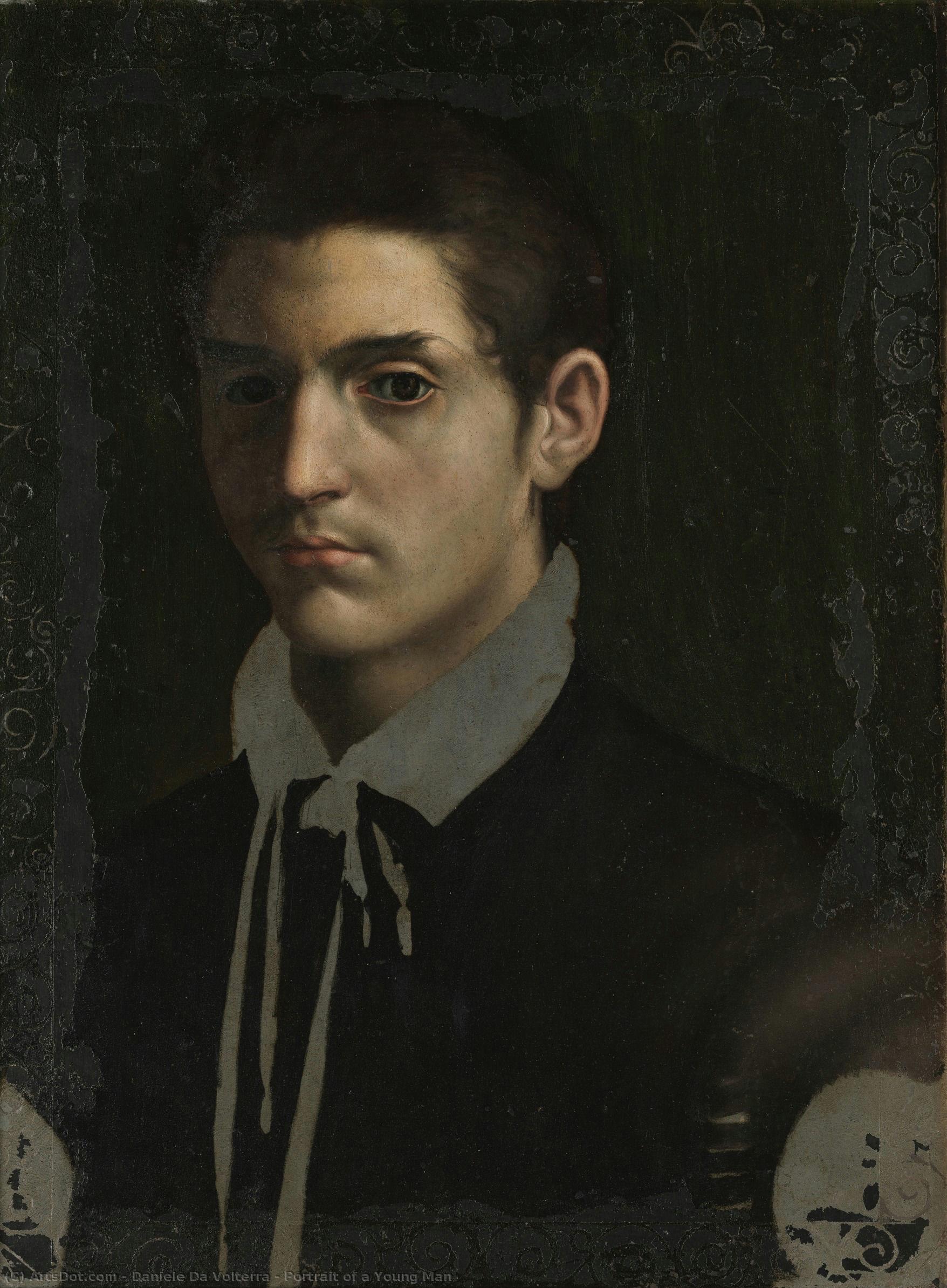
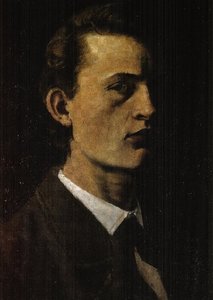
Portrait of a Young Man


 Read More
Purchase a high-resolution, enhanced digital image, far superior to the online preview.
Each file is meticulously prepared by our in-house specialists using advanced tools and expert manual retouching. We ensure every image has exceptional clarity, precise color accuracy, and fine detail.
The final file is delivered via email within 72 hours, optimized for immediate use in professional, editorial, and print environments. This is the same quality trusted by top-tier design studios, publishers, and galleries.
Digital Image
Download a high-resolution file for personal display, printing, and creative projects. ( Buy Print Buy Hand Made Painting)
Included in Every Digital Image Order
Expert Digital Delivery, Guaranteed
When you choose ArtsDot.com, you're not just getting an image - you're receiving a professionally enhanced digital artwork, crafted with precision and backed by a satisfaction guarantee. Here's everything that comes with your order, automatically:

Fast Email Delivery
Your high-resolution digital image file will be emailed to you within 72 hours of ordering - ready for immediate use.

AI-Enhanced Digital File
Your artwork is professionally optimized using advanced AI tools and manual editing, ensuring maximum detail, clarity, and color accuracy.

Free Lifetime Re-Delivery
Accidentally deleted or lost your file? No worries - we'll resend it to you anytime, free of charge.

No Import Fees - Ever
Enjoy your artwork instantly with zero customs, duties, or delivery fees - digital downloads are always tax-free.

Color Accuracy Guarantee
We ensure your digital image reflects the original colors as closely as possible using professional tools and color management.

60-Day Satisfaction Guarantee
If you're not satisfied with your digital image, we'll revise it or refund 100% within 60 days - no questions asked.

100% Money-Back Guarantee
Not satisfied? Get a full refund within 60 days of receiving your digital file - no questions asked.

Bulk Order Discounts
Buy 3 images, save 10% - Buy 5, save 15% - Buy 10+, save 20%. Great for creative projects, galleries, and agencies.
Collectible Description
A Portrait of Quiet Intensity: Daniele da Volterra’s “Portrait of a Young Man”
Daniele da Volterra's "Portrait of a Young Man," painted circa 1540, is more than simply a depiction of a young gentleman; it’s a carefully constructed meditation on status, contemplation, and the burgeoning anxieties of the Renaissance. Born in Volterra, Italy – a city steeped in Etruscan history and renowned for its skilled artisans – Daniele's early training under Sienese masters laid the groundwork for his later mastery, but it was his association with Michelangelo that truly shaped his artistic vision. This portrait, often considered one of his most compelling works, reveals a sculptor’s eye translating into a profoundly intimate depiction of human character.
The painting itself is executed in oil on canvas, a technique favored by the period for its ability to capture subtle tonal variations and achieve remarkable realism. Volterra masterfully employs a restricted palette of grays and blacks, creating an atmosphere of dignified solemnity. The composition centers squarely on the subject’s face – a young man with a direct gaze that seems to pierce through the viewer's own introspection. His attire, dark and formal, speaks volumes about his social standing; the ruffled collar and carefully arranged garments are hallmarks of Renaissance portraiture designed to project wealth and authority. Notice, too, the subtle details: the slight furrow in his brow, the delicate curve of his lips – each element contributes to a sense of quiet contemplation.
The Sculptor’s Influence: Form and Gesture
It's no accident that Daniele was initially apprenticed to sculptors. His background profoundly influenced his approach to painting. He wasn’t simply aiming for a likeness; he sought to capture the *essence* of the subject, translating three-dimensional form onto a two-dimensional surface. This is particularly evident in the way he renders the young man's posture – a subtle shift of weight, a slight turn of the head – conveying a sense of contained energy and poised awareness. The vertical lines of his clothing emphasize his stature and create a formal structure within the composition, while the softer curves around his face invite closer inspection, revealing a vulnerability beneath the surface of composure.
The background, deliberately muted and indistinct, serves to further isolate the subject and draw attention to his inner world. The two shadowy figures glimpsed in the distance are not merely decorative; they represent the constraints and expectations placed upon individuals within Renaissance society – a subtle commentary on the pressures of social status and familial obligations. Volterra’s use of atmospheric perspective—making distant objects appear fainter and less distinct—adds depth to the scene, reinforcing the sense that the young man exists within a larger, more complex world.
Symbolism and the Renaissance Psyche
“Portrait of a Young Man” is deeply rooted in the intellectual currents of the High Renaissance. The subject’s serious expression reflects the humanist emphasis on individual potential and self-awareness that characterized the era. The portrait isn't simply about outward appearance; it delves into the psychological landscape of its sitter, inviting viewers to contemplate his thoughts and emotions. There is a certain melancholy in his gaze, perhaps hinting at the uncertainties and anxieties inherent in navigating a rapidly changing world.
Furthermore, the painting can be interpreted as an allegory for the transition from youth to manhood – a period marked by both promise and peril. The young man’s poised demeanor suggests a readiness to embrace responsibility, while his contemplative expression hints at the challenges that lie ahead. Daniele da Volterra, through this masterful portrait, captures not just a likeness but also the very spirit of the Renaissance—a time of profound artistic innovation and intellectual ferment.
A Timeless Masterpiece: Reproduction and Beyond
Reproductions of “Portrait of a Young Man” offer an exceptional opportunity to bring this captivating artwork into any setting. The rich tonal range and nuanced details, faithfully reproduced through modern printing techniques, capture the essence of Volterra’s original vision. Whether adorning a formal study or adding a touch of understated elegance to a contemporary space, this portrait continues to resonate with its quiet intensity and timeless appeal. Consider it not merely as decoration, but as a window into the artistic soul of the Renaissance – a testament to the enduring power of human expression.
Related Artworks
Artist Biography
Daniele da Volterra: The Sculptor of Secrets and Shifting Forms
Daniele Ricciarelli, born in the ancient Etruscan town of Volterra around 1509, ultimately became known as Daniele da Volterra – a name inextricably linked to both artistic brilliance and controversy. His life unfolded against the backdrop of Renaissance Italy, a period of fervent creativity and shifting religious sensibilities. Initially apprenticed to Sienese masters like Il Sodoma and Baldassare Peruzzi, Daniele’s trajectory shifted dramatically when he journeyed to Rome, where he found himself drawn into the orbit of Michelangelo – a relationship that would profoundly shape his artistic development and ultimately define his legacy. More than just a painter or sculptor, Daniele was a master of adaptation, a skilled craftsman who skillfully navigated the demands of powerful patrons while simultaneously challenging established norms within the art world.
Daniele’s early years were marked by a restless pursuit of knowledge and experience. He honed his skills under Perino del Vaga, contributing to lavish frescoes in prestigious Roman palaces. However, it was his association with Michelangelo that proved transformative. The sheer force of Michelangelo's genius ignited within Daniele a desire to emulate and surpass his mentor. This ambition manifested itself not only through diligent study but also through a willingness to engage directly with Michelangelo’s designs – a practice that would later generate considerable debate and ultimately earn him the unflattering moniker “Il Braghettone,” or “the breeches maker.”
The Shadow of the Last Judgment
Daniele's most infamous contribution to art history lies within the Sistine Chapel’s *Last Judgment*. Commissioned by Pope Paul III in 1565, shortly after the Council of Trent condemned nudity in religious art, Daniele was tasked with concealing the exposed bodies of Christ and his disciples. Rather than simply covering them with drapery – a common practice at the time – Daniele employed a remarkably audacious strategy: he meticulously draped voluminous garments and leafy fig-leaves over the genitals and backsides of the figures. This intervention, while intended to appease the conservative sensibilities of the Church, ultimately resulted in a deeply unsettling effect, transforming the fresco into a bizarre and disconcerting spectacle.
The controversy surrounding Daniele’s work extended beyond mere aesthetic concerns. He was accused of deliberately altering Michelangelo's original designs, a charge that fueled accusations of heresy and sacrilege. The incident cemented his reputation as a controversial figure – an artist willing to bend the rules in pursuit of patronage and recognition. It is believed that Daniele’s actions were not entirely motivated by artistic considerations; he may have been attempting to subtly critique the rigid moral constraints imposed by the Council of Trent, albeit through a highly unconventional means.
Sculpting Shadows: Beyond the Fresco
While his work on *The Last Judgment* remains Daniele’s most widely discussed contribution, it represents only a fraction of his artistic output. He was equally adept as a sculptor, producing works that showcased both technical skill and a keen understanding of human anatomy. His sculpture of Cleopatra, housed in the Belvedere at Vienna, is a testament to his ability to capture elegance and power – a remarkable feat considering its relatively late creation (circa 1540-1545). The piece demonstrates a masterful command of marble, capturing the queen’s regal bearing with subtle details and a sense of restrained sensuality.
Daniele's sculptural endeavors extended beyond single figures. He was commissioned to create a monumental bronze equestrian statue for Henry II of France, a project that ultimately fell short of completion. Despite his meticulous work on the horse itself – which later served as the basis for Louis XIII’s statue at Place Royale – the entire commission was dismantled during the French Revolution, erasing much of Daniele's ambition from history.
A Legacy of Innovation and Controversy
Daniele da Volterra’s career is a complex tapestry woven with threads of artistic brilliance, political maneuvering, and profound controversy. He was a product of his time – an artist operating within the constraints of religious dogma while simultaneously striving to assert his own creative vision. His willingness to challenge established norms, coupled with his technical skill and sensitivity to human form, cemented his place as a significant figure in the Mannerist movement. Despite the controversies that surrounded him, Daniele’s work continues to fascinate and provoke debate, offering a unique window into the artistic and religious landscape of 16th-century Italy.
His pupils included painter Michele Alberti. Sybil (c. 1540–1545); Hermitage Museum, Saint petersburgdescent from the cross (c. 1545), before its 2004 restoration; trinità dei monti, romedescent from the cross (detail, before restoration)descent from the cross (detail, after restoration)
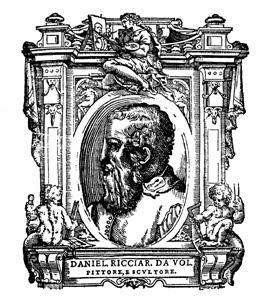
Daniele da Volterra
1509 - 1566 , Italy
Quick Facts
- Artistic Movement Or Style: Mannerism
- Artists Or Movements Influenced By This Artist:
- Raphael
- Michelangelo
- Artists Who Influenced This Artist:
- Michelangelo
- Il Sodoma
- Baldassare Peruzzi
- Date Of Birth: c. 1509
- Date Of Death: 1566
- Full Name: Daniele Ricciarelli
- Nationality: Italian
- Notable Artworks:
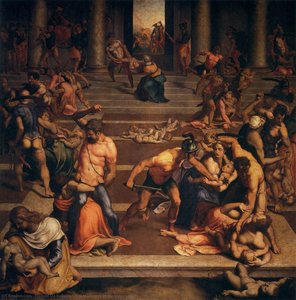
- Massacre of the Innocents
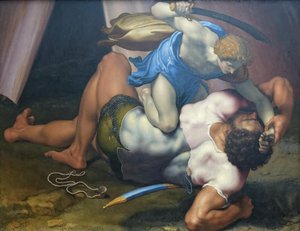
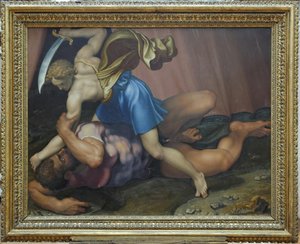
- David and Goliath
- Descent from the Cross
- Cleopatra
- Place Of Birth: Volterra, Italy

