 Preview
 Send
Send Share
Share
 Details

 Download
 Similars
 X-Ray
X-Ray Diaporama
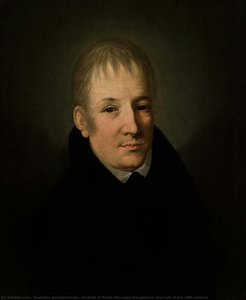
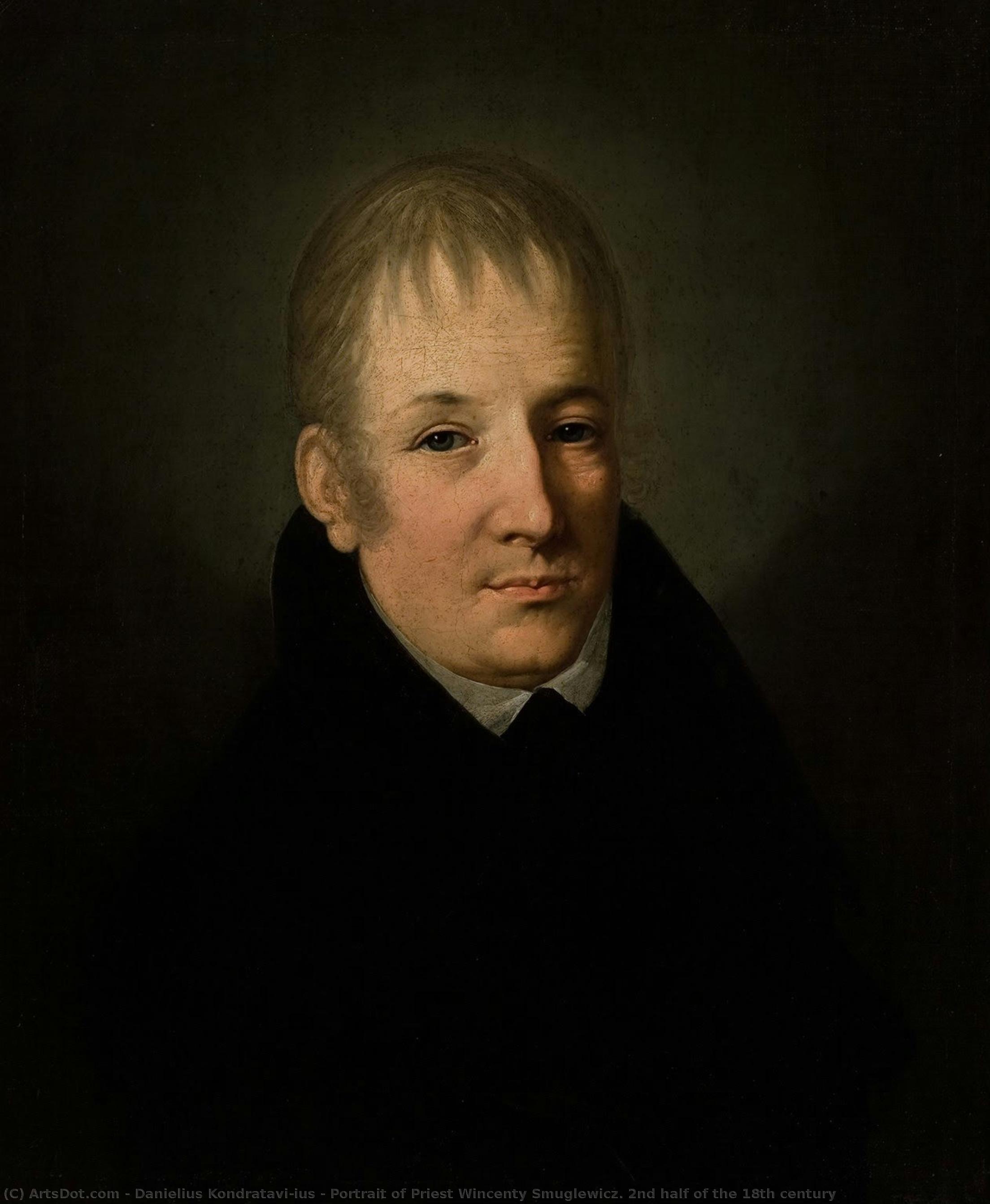
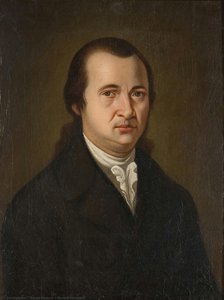
Portrait of Priest Wincenty Smuglewicz. 2nd half of the 18th century

 Read More
Hand Made Oil Reproduction
Hand-painted oil on canvas in your size and frame, made to order by our artists. ( Buy Print Buy Image)




































Pick from our preset sizes that match the artwork's original proportions.

You may enter your own dimensions to fit a specific frame or space. If your selected size does not match the original image's proportions, we will either crop the artwork or extend the painting with additional hand-painted elements. A digital mockup will be sent for your approval before production begins.
Please note that the on-screen preview does not reflect the actual cropping or extension. Only the mockup will accurately show the final composition.
While custom sizes are available, we recommend selecting a dimension from the predefined list to preserve the original proportions.
After order, ArtsDot.com team will email client for instructions and provide a mockup preview
Worldwide Delivery () in 3/4 weeks instead of standard 5 weeks. (27 August). No compromise on quality.

Free Worldwide Express Shipping

High-Quality Linen Canvas

Full Shipping Insurance

Customs Tax Refund Guarantee

True Color Matching Guarantee

60-Day Return Policy (Defects Only)

100% Money-Back Guarantee

Bulk Discount Offer
 Glass option is only available in size under 110 CM

Portrait of Priest Wincenty Smuglewicz. 2nd half of the 18th century
Reproduction Medium
Reproduction Size
-


Total Price
$ 263
Related Artworks







Artist Biography
Early Life and Artistic Foundations
Danielius Kondratavičius, a name resonating with the refined portraiture of 18th and 19th-century Poland, was born in 1765 in the region of Zemaitis, Lithuania. His origins lay within the historical lands of Žmudź, a place steeped in cultural traditions that would subtly inform his artistic sensibility. While details surrounding his earliest upbringing remain somewhat elusive, it is known that Kondratavičius embarked on his formal artistic journey at the studio of Franciszek Smuglewicz in Warsaw. Smuglewicz, a prominent figure in Polish Neoclassical painting, instilled in the young artist a rigorous academic approach and a dedication to capturing both physical likeness and psychological depth—qualities that would become hallmarks of Kondratavičius’s oeuvre.
A Career Dedicated to Portraiture and Historical Scenes
Kondratavičius quickly distinguished himself as a skilled portraitist, becoming highly sought after by the Polish nobility and gentry. His canvases are characterized by a delicate balance between realism and idealization; he didn't merely replicate features but sought to convey the inner character and social standing of his sitters. Beyond portraits, Kondratavičius also ventured into historical painting, though this aspect of his work is less extensively documented than his depictions of individuals. His engagement with both genres reflects a broader artistic climate in Poland at the time—one that valued both commemorating national history and celebrating individual achievement.
Director of the Ossoliński Gallery and Artistic Responsibilities
A significant turning point in Kondratavičius’s career arrived in 1824 when he assumed the directorship of the gallery of paintings belonging to Józef Ossoliński. This position was not merely administrative; it placed him at the heart of Poland's artistic heritage, responsible for the preservation and presentation of a valuable collection. His tenure as director underscores his standing within the Polish art world and demonstrates a level of trust and respect accorded by prominent patrons like Ossoliński. During this period, he continued to paint, balancing his curatorial duties with his personal artistic pursuits.
Influences and Artistic Development
The influence of Franciszek Smuglewicz is undeniably present in Kondratavičius’s early works—a clear emphasis on draftsmanship, a restrained palette, and a commitment to classical forms. However, as Kondratavičius matured, his style evolved, incorporating subtle nuances that distinguished it from that of his mentor. He participated in several exhibitions in Warsaw during the 1819-1823 period, providing opportunities for critical assessment and further refinement of his technique. While he remained rooted in Neoclassical principles, a growing sensitivity to Romantic ideals—particularly an interest in conveying emotion and atmosphere—can be observed in some of his later portraits.
Legacy and Historical Significance
Danielius Kondratavičius passed away in Warsaw on September 4, 1843, leaving behind a body of work that offers valuable insights into Polish society and artistic tastes during the late 18th and early 19th centuries. His son, Józef Kondratowicz, followed in his father’s footsteps as a lithographer and miniaturist, continuing the family's artistic legacy. While not perhaps as widely celebrated as some of his contemporaries, Kondratavičius occupies an important place in Polish art history as a skilled portraitist, a dedicated curator, and a representative of a generation grappling with shifting aesthetic trends. His paintings serve as poignant reminders of a bygone era—a testament to the enduring power of portraiture to capture not only physical appearances but also the spirit of an age.
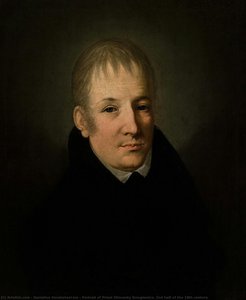
danielius kondratavičius
1765 - 1844 , Lithuania
Quick Facts
- Artistic Movement Or Style: Portraiture & Historical
- Artists Who Influenced This Artist: ['Franciszek Smuglewicz']
- Date Of Birth: 1765
- Date Of Death: 1844
- Full Name: Danielius Kondratavičius
- Nationality: Polish
- Notable Artworks: ['Portrait of Priest Wincenty Smuglewicz']
- Place Of Birth: Zemaitis, Lithuania