 Preview
 Send
Send Share
Share
 Details

 Download
 Similars
 X-Ray
X-Ray Diaporama
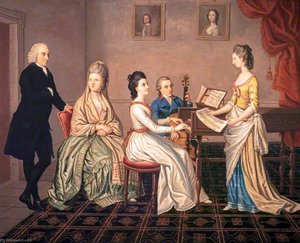
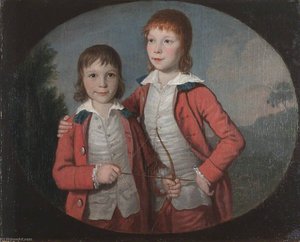
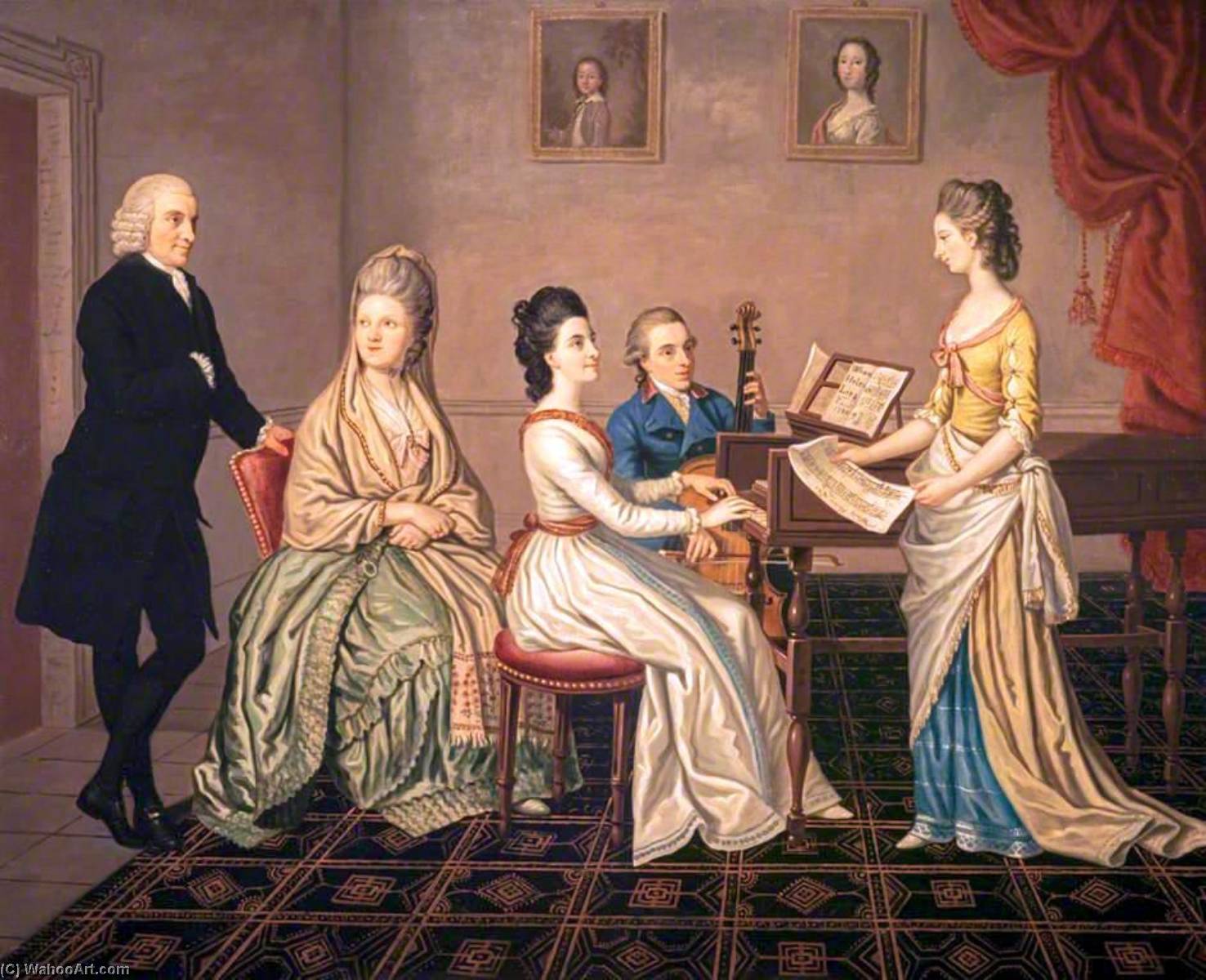
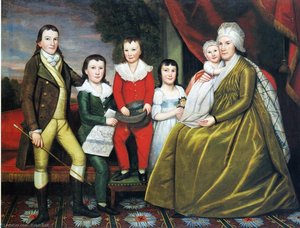
James Erskine, Lord Alva, and his Family


 Read More
Hand Made Oil Reproduction
Hand-painted oil on canvas in your size and frame, made to order by our artists. ( Buy Print Buy Image)




P118B $10

P118H $10

P118W $10

P438Z $10

P508JH $12

P508YH $12

P805H $10

P805Z $10

P919BZ $10

P919G $10

P919XJ $10

P959ZH $10

P968JZ $12

W106C $8

W218G $10

W218JH $8

W218Y $10

W307PJ $10

W316G $10

W316PJ $8

W316Y $10

W398PJ $8

W4111J $10

W500HY $15

W500JH $15

W692G $12

W849H $8

W940BG $15

W953PJ $8




Pick from our preset sizes that match the artwork's original proportions.

You may enter your own dimensions to fit a specific frame or space. If your selected size does not match the original image's proportions, we will either crop the artwork or extend the painting with additional hand-painted elements. A digital mockup will be sent for your approval before production begins.
Please note that the on-screen preview does not reflect the actual cropping or extension. Only the mockup will accurately show the final composition.
While custom sizes are available, we recommend selecting a dimension from the predefined list to preserve the original proportions.
After order, ArtsDot.com team will email client for instructions and provide a mockup preview
Worldwide Delivery () in 3/4 weeks instead of standard 5 weeks. (16 August). No compromise on quality.

Free Worldwide Express Shipping

High-Quality Linen Canvas

Full Shipping Insurance

Customs Tax Refund Guarantee

True Color Matching Guarantee

60-Day Return Policy (Defects Only)

100% Money-Back Guarantee

Bulk Discount Offer
 Glass option is only available in size under 110 CM

James Erskine, Lord Alva, and his Family
Reproduction Medium
Reproduction Size
-


Total Price
$ 263
Artwork Description
A Window into Georgian Society: David Allan’s “James Erskine, Lord Alva, and his Family”
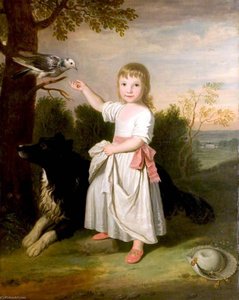
David Allan's "James Erskine, Lord Alva, and his Family," painted in 1780, is more than just a portrait; it’s a meticulously crafted window into the opulent world of late Georgian Scotland. The painting captures a specific moment within the Erskine family – a gathering of six individuals radiating wealth, status, and an understated elegance characteristic of the era. Allan, a pivotal figure in Scottish art during this period, skillfully employed Rococo and Neoclassical influences to depict a scene brimming with familial warmth and social significance. The composition itself is carefully orchestrated: Lord Alva, the patriarch, dominates the center, his bearing suggesting authority and experience; his wife sits gracefully beside him, a subtle demonstration of domestic harmony; their three children are arranged around them, embodying innocence and future prospects. The inclusion of a violin hints at musical entertainment – a common feature of aristocratic gatherings during this time, signifying refinement and leisure. Allan’s masterful use of light and shadow creates a sense of depth and realism, drawing the viewer into the scene and allowing us to almost hear the murmur of conversation and the rustle of silk gowns.The Brushstrokes of Enlightenment: Allan's Technique and Style
Allan’s artistic approach is deeply rooted in the intellectual currents of the Enlightenment. He was profoundly influenced by his time spent studying classical art in Rome, absorbing the ideals of balance, proportion, and idealized beauty. This influence manifests in the painting’s refined composition, the carefully rendered details of the clothing – the rich fabrics, intricate lace, and jeweled accessories – and the overall sense of order and control. Allan's technique is characterized by a smooth, polished surface achieved through layering thin glazes of oil paint, creating a luminous quality that enhances the colors and textures. He demonstrates a remarkable ability to capture subtle nuances in expression and gesture, conveying not just physical likeness but also emotional states. The faces are rendered with an almost photographic realism, capturing the individual personalities within the family group. Notably, Allan’s use of color is restrained yet sophisticated, relying on a palette of muted tones – creams, browns, blues, and golds – to create a harmonious and dignified atmosphere.A Portrait of Power and Prestige: Historical Context
To fully appreciate “James Erskine, Lord Alva, and his Family,” it's crucial to understand the historical context in which it was created. The painting reflects the rise of the Scottish landed gentry during the 18th century – a period marked by economic prosperity, political stability, and an increasing emphasis on social status. James Erskine, as Lord Alva, held a prominent position within this elite class, serving as a Senator of the College of Justice – one of Scotland’s highest judicial bodies. The portrait itself served as a visual affirmation of his family's wealth, influence, and standing in society. It was commissioned not merely to document the family’s appearance but also to project an image of authority, respectability, and social responsibility. Portraits like this were frequently used by prominent families to solidify their legacy and demonstrate their commitment to upholding traditional values.Symbolism and Emotional Resonance: Unpacking the Details
Beyond its surface depiction, the painting is rich in symbolic meaning. The carefully arranged poses and gestures of the family members communicate a complex web of relationships – familial bonds, social hierarchies, and aspirations for the future. The woman’s book symbolizes her role as a cultivated member of society, engaged in intellectual pursuits alongside domestic duties. The violin represents leisure, refinement, and artistic appreciation—a valued attribute within the aristocratic circles of the time. Even the setting itself contributes to the painting's symbolic weight: the formal room with its elegant furniture and rich fabrics speaks to the family’s wealth and status. Allan masterfully evokes a sense of quiet dignity and familial warmth, suggesting a harmonious domestic life underpinned by social responsibility and respect for tradition. The overall effect is one of understated elegance and timeless beauty—a testament to Allan's skill as an artist and his ability to capture the essence of Georgian society.Reproductions and Legacy: Bringing the Scene to Life
Today, “James Erskine, Lord Alva, and his Family” stands as a remarkable example of 18th-century portraiture. High-quality reproductions offer art enthusiasts and interior designers alike the opportunity to incorporate this captivating scene into their homes or collections. When selecting a reproduction, consider the level of detail and accuracy—a faithful rendering will truly capture the painting’s original charm and historical significance. This piece serves as a beautiful reminder of a bygone era, inviting us to contemplate the lives and aspirations of those who shaped Scottish society centuries ago.Related Artworks

Artist Biography
A Scottish Voice in the Age of Enlightenment
David Allan, born in Alloa, Scotland, in 1744, emerged as a significant figure during a period of profound artistic and intellectual change. His father’s position as harbor master instilled an early connection to the world beyond Scotland's shores, hinting at influences that would later shape his artistic vision. Though details of his earliest training remain scarce, it is clear that a natural talent blossomed from youth, setting him on a path toward becoming one of Scotland’s most celebrated painters. This path led him, in 1764, to Rome – a pivotal journey for any aspiring artist of the time. For ten years, Allan immersed himself in the study of classical art and architecture, diligently copying masterpieces like the Borghese Gladiator, honing his skills in form and technique under the guidance of Gavin Hamilton. This Italian sojourn wasn’t merely about technical mastery; it was an immersion into a world of ideals that would subtly permeate his later work.Blending Worlds: Neoclassicism with Scottish Life
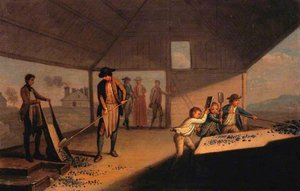
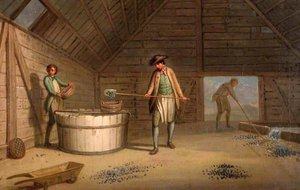
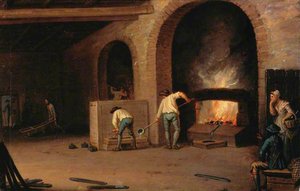
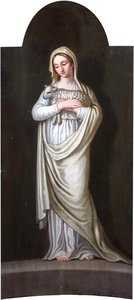
Upon returning to Scotland around 1770, Allan established himself in Edinburgh, quickly becoming a leading artist within the city’s vibrant cultural scene. His style is remarkable for its unique synthesis of Neoclassical precision and Rococo elegance. While embracing the classical ideals of order, balance, and clarity – hallmarks of the Neoclassical movement – he retained a decorative sensibility evident in his use of color and composition. This wasn't a rigid adherence to any single school but rather a thoughtful blending of influences. Allan excelled in both portraiture and genre painting, demonstrating a keen observational skill and an ability to capture the essence of his subjects. His portraits weren’t simply likenesses; they possessed psychological depth, revealing character and personality. However, it was perhaps in his genre scenes that Allan truly distinguished himself, offering intimate glimpses into 18th-century Scottish life – from bustling market days to quiet domestic moments. Works like “Lead Processing at Leadhills Washing the Ore” are not merely depictions of industry but insightful social commentaries rendered with remarkable realism and attention to detail. He also ventured into historical subjects, such as "Hope (triptych, centre panel)", showcasing his ambition and versatility while skillfully integrating classical influences with religious themes.The ‘Scottish Hogarth’ and a Legacy Forged in Observation
Allan's dedication to depicting contemporary life earned him the moniker “the Scottish Hogarth,” a comparison that highlights his contributions to genre painting and social commentary through art. While not directly emulating Hogarth’s often satirical style, Allan shared a similar interest in portraying everyday scenes with honesty and insight. He possessed an exceptional ability to capture the nuances of human interaction and the textures of daily life, elevating seemingly ordinary subjects to artistic significance. His association with the Foulis Academy, a prominent center for artistic training in Edinburgh, further solidified his role in shaping Scottish art during this period. Allan wasn’t just creating paintings; he was contributing to the development of a distinct national artistic identity. He influenced subsequent generations of Scottish artists, encouraging them to look inward and find inspiration in their own culture and surroundings.A Lasting Impression
David Allan's impact extends beyond his individual artworks. His illustrations for Allan Ramsay’s *The Gentle Shepherd* are particularly noteworthy, demonstrating a playful wit and an ability to capture the spirit of Scottish pastoral life. He was a master of both large-scale historical compositions and intimate domestic scenes, showcasing a remarkable range of skill and sensitivity. His death in 1796 marked the loss of a truly original voice in British art. Today, his paintings continue to be admired for their technical brilliance, insightful portrayals of Scottish society, and enduring artistic merit. Allan’s legacy lies not only in the beauty of his creations but also in his ability to bridge classical ideals with distinctly Scottish subject matter, leaving an indelible mark on the cultural landscape of his time and inspiring artists for generations to come. He remains a testament to the power of observation, the importance of artistic training, and the enduring appeal of capturing the human experience.
David Allan
1744 - 1796 , United States of America
Quick Facts
- Artistic Movement Or Style: Neoclassicism & Rococo
- Artists Or Movements Influenced By This Artist: ['Scottish artists']
- Artists Who Influenced This Artist: ['Gavin Hamilton']
- Date Of Birth: 1744
- Date Of Death: 1796
- Full Name: David Allan
- Nationality: Scottish
- Notable Artworks:
- Lead Processing at Leadhills
- The Family of Procida
- Hope (triptych)
- James Craig, Architect
- The Children of David Allan
- Place Of Birth: Akron, USA
Related Articles

Rococo's Radiant Legacy: 10 Masterpieces for Your Home |
Indulge in the elegance of Rococo! Explore 10 masterpieces by Fragonard, Boucher & Watteau. Discover the stories behind these iconic paintings and bring timeless art to your home with museum-quality reproductions from .
Jacques-Louis David: Neoclassical Ideals & Revolutionary Witness
Explore the life & art of Jacques-Louis David, leading Neoclassical painter of the French Revolution. Discover iconic works like 'The Death of Marat' and his lasting impact on art history. Expert analysis & high-quality reproductions at ArtsDot.
Neoclassical Art: 10 Masterpieces That Shaped History |
Explore 10 defining Neoclassical masterpieces by David, Ingres & Canova. Discover the history, symbolism & artistry behind these iconic paintings and sculptures. Find museum-quality art reproductions at – elevate your home with timeless beauty.
The Rococo Aesthetic: Opulence, Rebellion & the Pursuit of Pleasure in 18th-Century Art
Explore the opulent world of Rococo art! Discover its origins, key artists like Watteau & Boucher, and lasting influence on design. Expert insights for collectors & enthusiasts.
Sir John Watson Gordon: A Study in Scottish Landscape Painting & Tonal Impressionism
Explore the captivating portraits of Sir John Watson Gordon, a leading Scottish master. Discover his evolution from neoclassical style to atmospheric Tonalism and influence on 19th-century British art. Learn about his iconic sitters & legacy.