

 Preview
 Send
Send Share
Share
 Details

 Download
 Similars
 X-Ray
X-Ray Diaporama
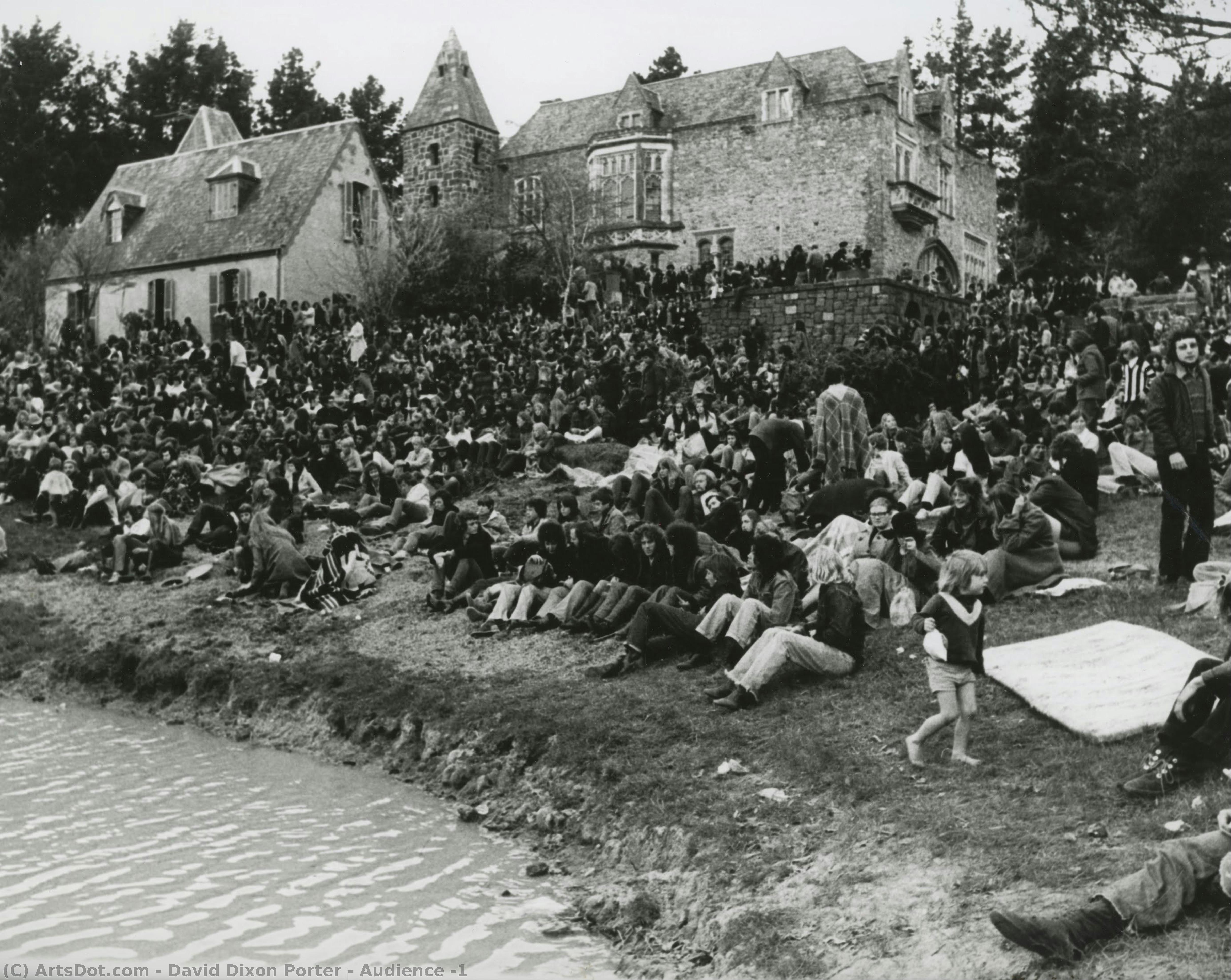
Audience #1


 Read More
Purchase a high-resolution, enhanced digital image, far superior to the online preview.
Each file is meticulously prepared by our in-house specialists using advanced tools and expert manual retouching. We ensure every image has exceptional clarity, precise color accuracy, and fine detail.
The final file is delivered via email within 72 hours, optimized for immediate use in professional, editorial, and print environments. This is the same quality trusted by top-tier design studios, publishers, and galleries.
Digital Image
Download a high-resolution file for personal display, printing, and creative projects. ( Buy Print Buy Hand Made Painting)
Included in Every Digital Image Order
Expert Digital Delivery, Guaranteed
When you choose ArtsDot.com, you're not just getting an image - you're receiving a professionally enhanced digital artwork, crafted with precision and backed by a satisfaction guarantee. Here's everything that comes with your order, automatically:

Fast Email Delivery
Your high-resolution digital image file will be emailed to you within 72 hours of ordering - ready for immediate use.

AI-Enhanced Digital File
Your artwork is professionally optimized using advanced AI tools and manual editing, ensuring maximum detail, clarity, and color accuracy.

Free Lifetime Re-Delivery
Accidentally deleted or lost your file? No worries - we'll resend it to you anytime, free of charge.

No Import Fees - Ever
Enjoy your artwork instantly with zero customs, duties, or delivery fees - digital downloads are always tax-free.

Color Accuracy Guarantee
We ensure your digital image reflects the original colors as closely as possible using professional tools and color management.

60-Day Satisfaction Guarantee
If you're not satisfied with your digital image, we'll revise it or refund 100% within 60 days - no questions asked.

100% Money-Back Guarantee
Not satisfied? Get a full refund within 60 days of receiving your digital file - no questions asked.

Bulk Order Discounts
Buy 3 images, save 10% - Buy 5, save 15% - Buy 10+, save 20%. Great for creative projects, galleries, and agencies.
Collectible Description
Related Artworks


Artist Biography
A Life Forged on the Waves: The Remarkable Journey of David Dixon Porter
David Dixon Porter, born in Chester, Pennsylvania, in 1813, was a figure inextricably linked to the narrative of American naval history. His life wasn’t merely *in* the Navy; it *was* the Navy, a legacy inherited from his celebrated father, Commodore David Porter. From the astonishingly young age of ten, he embarked on voyages to the West Indies alongside his father, an immersion that instilled within him a profound connection to the sea and its demands. This early exposure wasn’t simply about nautical training; it was a baptism into a world of discipline, strategy, and unwavering dedication – qualities that would define Porter's entire career. His formative years continued with service in the Mexican Navy as a midshipman aboard the frigate *Libertad*, followed by a formal commission in the U.S. Navy in 1829. These early experiences weren’t just stepping stones; they were foundational, shaping his understanding of naval tactics and international relations. He diligently served on vessels like the frigates *Constellation* and *United States*, participating in Mediterranean voyages that broadened his horizons and honed his skills between 1829 and 1834. His commitment to meticulous charting and observation during coastal surveys from 1836 to 1842, ultimately leading to a promotion to lieutenant, demonstrated an analytical mind perfectly suited for command.Naval Command and the Crucible of Civil War
The outbreak of the American Civil War found Porter poised to make a significant impact. His initial actions, though controversial – taking command of the *Powhatan* without explicit authorization to reinforce Fort Pickens – revealed his proactive nature and unwavering loyalty to the Union cause. This bold move, while initially met with disapproval from Secretary of the Navy Gideon Welles, ultimately underscored Porter’s commitment to preserving the nation. It was during the capture of New Orleans in 1862 that Porter truly distinguished himself, commanding a flotilla of mortar boats with remarkable precision and effectiveness. This pivotal moment showcased his innovative approach to naval warfare and cemented his reputation as a resourceful leader. His subsequent appointment as commander of the Mississippi River Squadron in October 1862 placed him at the heart of the conflict’s western theater. Porter's strategic brilliance was instrumental in assisting General Ulysses S. Grant during the grueling Vicksburg Campaign, culminating in the city’s surrender in 1863 – a turning point in the war. The challenges he faced during the Red River Campaign in Louisiana, navigating dangerously low water levels and overcoming logistical nightmares, further demonstrated his resilience and adaptability. His leadership extended to the North Atlantic Squadron, where he orchestrated joint assaults on Fort Fisher in North Carolina, marking one of the final major naval engagements of the Civil War.Reforms, Recognition, and a Unique Artistic Vision
The years following the Civil War saw Porter ascend to unprecedented heights within the U.S. Navy. Promoted to Vice Admiral and later becoming only the second person to hold the rank of Admiral – after his foster brother, David G. Farragut – he dedicated himself to modernizing and professionalizing the naval service. As Superintendent of the U.S. Naval Academy, he initiated crucial reforms to enhance the curriculum and elevate standards for aspiring officers. Beyond formal duties, Porter wielded considerable influence within President Grant’s administration, effectively acting as an informal Secretary of the Navy for a period. He championed vital naval reform alongside like-minded officers, striving to create a more efficient and capable fighting force. However, Porter's legacy extends beyond his distinguished military career into a surprisingly artistic realm. While primarily known for his naval achievements, he pursued photography with passion, creating concert photographs, band portraits, and event scenes that offer a unique glimpse into 19th-century life. These images aren’t merely historical documents; they are vibrant snapshots of a bygone era, capturing the energy and atmosphere of social gatherings and musical performances. His artistic endeavors reveal a keen eye for detail and an ability to translate moments in time into compelling visual narratives.A Lasting Legacy: Admiral, Reformer, and Artist
David Dixon Porter’s contributions resonate far beyond his lifetime. His leadership during the Civil War was undeniably crucial to the Union victory, particularly on the Mississippi River, effectively splitting the Confederacy and controlling a vital artery of commerce. His reforms at the Naval Academy laid the groundwork for modern naval education, producing generations of skilled and dedicated officers. As a two-time Admiral, he left an indelible mark on the structure and leadership of the U.S. Navy. But perhaps his most intriguing legacy lies in his artistic pursuits. His photographs offer a rare and intimate perspective on 19th-century American society, blending naval history with artistic expression. His work serves as a reminder that even within the rigid confines of military life, creativity can flourish. Porter’s story is one of family tradition, unwavering dedication, and unexpected artistry – a testament to the multifaceted nature of human potential. He embodies the spirit of innovation and service that continues to define the U.S. Navy today. His influence extends beyond the annals of naval history; it lives on in the photographs he left behind, offering a captivating window into a pivotal era of American life.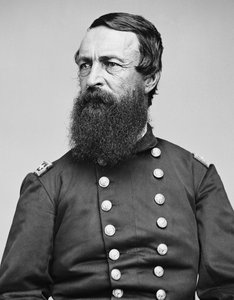
David Dixon Porter
1813 - 1891 , United States of America
Quick Facts
- Artistic Movement Or Style: Concert photography
- Date Of Birth: June 8, 1813
- Date Of Death: February 13, 1891
- Full Name: David Dixon Porter
- Nationality: American
- Notable Artworks: ['Audience #4']
- Place Of Birth: Chester, USA

