 Preview
 Send
Send Share
Share
 Details

 Download
 Similars
 X-Ray
X-Ray Diaporama
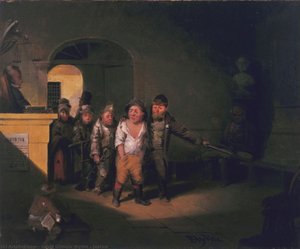
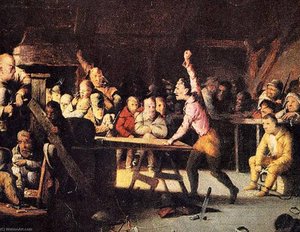
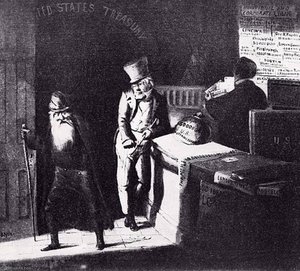
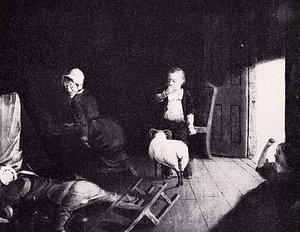
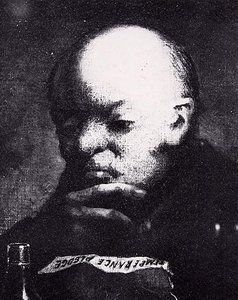
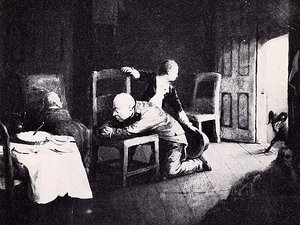
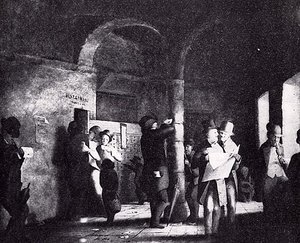
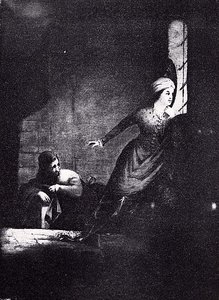
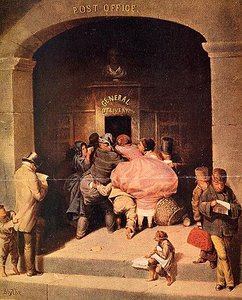
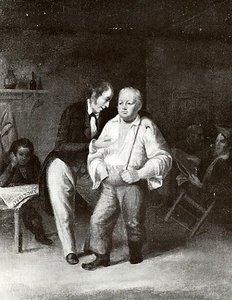
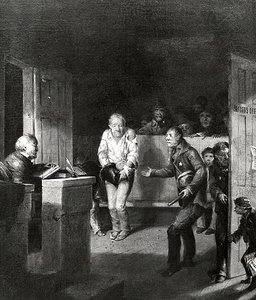
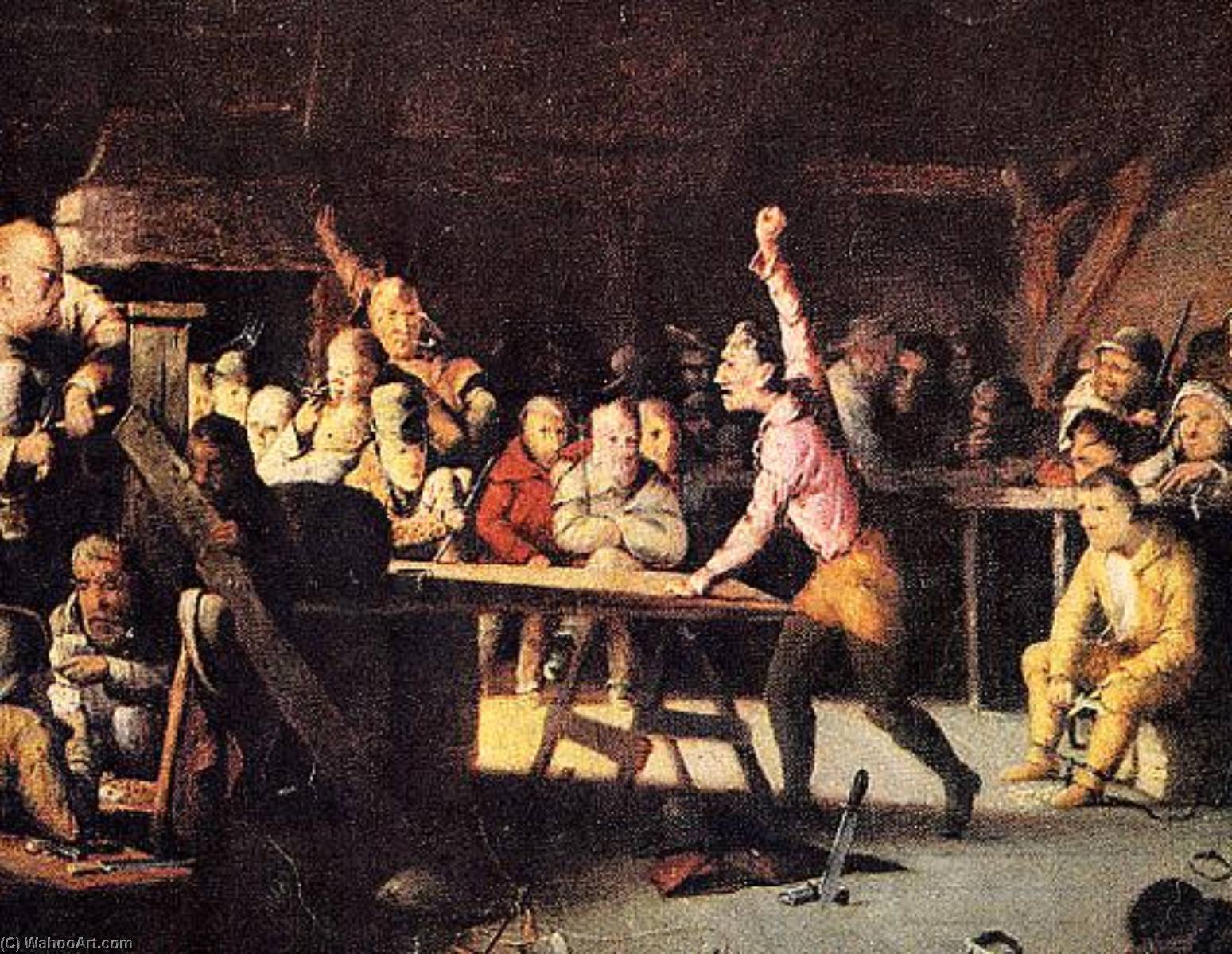
Trial Scene, (painting)

 Read More
Hand Made Oil Reproduction
Hand-painted oil on canvas in your size and frame, made to order by our artists. ( Buy Print Buy Image)




































Pick from our preset sizes that match the artwork's original proportions.

You may enter your own dimensions to fit a specific frame or space. If your selected size does not match the original image's proportions, we will either crop the artwork or extend the painting with additional hand-painted elements. A digital mockup will be sent for your approval before production begins.
Please note that the on-screen preview does not reflect the actual cropping or extension. Only the mockup will accurately show the final composition.
While custom sizes are available, we recommend selecting a dimension from the predefined list to preserve the original proportions.
After order, ArtsDot.com team will email client for instructions and provide a mockup preview
Worldwide Delivery () in 3/4 weeks instead of standard 5 weeks. (17 August). No compromise on quality.

Free Worldwide Express Shipping

High-Quality Linen Canvas

Full Shipping Insurance

Customs Tax Refund Guarantee

True Color Matching Guarantee

60-Day Return Policy (Defects Only)

100% Money-Back Guarantee

Bulk Discount Offer
 Glass option is only available in size under 110 CM

Trial Scene, (painting)
Reproduction Medium
Reproduction Size
-


Total Price
$ 263
Related Artworks
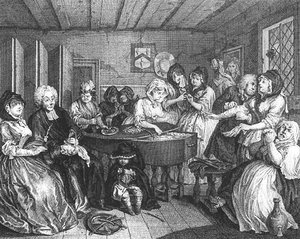
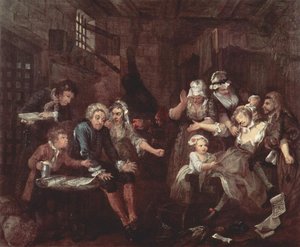
Artist Biography
David Gilmour Blythe: A Painter of Shadows and American Truth
In the mid-19th century, as America wrestled with its identity—a nation forged in revolution yet grappling with profound social inequalities—David Gilmour Blythe emerged as a singular voice in the landscape of American art. Unlike many of his contemporaries who sought to romanticize the frontier or celebrate national grandeur, Blythe chose instead to confront the darker realities of his time: poverty, corruption, and the unsettling contradictions at the heart of the burgeoning republic. A self-taught artist born in East Liverpool, Ohio, in 1815, Blythe’s career was marked by both remarkable talent and a profound sense of disillusionment, ultimately culminating in a body of work that remains hauntingly relevant today.
Blythe's early life offered little indication of the artistic path he would eventually tread. His parents, Susan and John Blythe, were Irish and Scottish immigrants who eked out a living through farming and cooperage. Raised in a modest log cabin by the Ohio River, David’s childhood was steeped in the rhythms of rural life—a stark contrast to the burgeoning industrial centers that were rapidly transforming the American landscape. Despite his humble beginnings, Blythe received a basic education, fueled by his mother's desire for him to acquire knowledge and wisdom. This early exposure to learning would later inform his satirical approach to depicting societal ills.
At sixteen, Blythe apprenticed himself to Joseph Woodwell, a woodcarver in Pittsburgh—a pivotal moment that introduced him to the world of craftsmanship and provided him with valuable technical skills. However, Blythe’s restless spirit soon led him away from the confines of the city. He spent several years wandering through the Midwest, seeking a place where he could find peace and purpose. This period of itinerant existence exposed him to a diverse range of experiences—from the bustling port cities of New Orleans to the quiet backwaters of Ohio—and undoubtedly shaped his artistic sensibilities.
The Navy Years and Early Portraits
In 1837, Blythe enlisted in the United States Navy, serving aboard the USS Ontario for three years. His naval service took him to Caribbean islands and Mexico, broadening his horizons and providing him with a unique perspective on American society. Upon his discharge, he returned to East Liverpool and briefly pursued work as a portrait painter—a profession that would serve as the foundation of his artistic career. These early portraits, characterized by their stiff formality and somewhat awkward compositions, reflect Blythe’s limited formal training but also reveal a nascent talent for capturing likenesses and conveying personality.
Despite his initial success as a portraitist, Blythe soon grew restless and began to seek new challenges. He embarked on a period of travel throughout Pennsylvania and Ohio, honing his skills and experimenting with different styles. It was during this time that he developed his distinctive satirical voice—a sharp critique of human folly and social injustice. His portraits from this era are notable for their subtle irony and understated humor.
The Rise of Satire and Social Commentary
By the mid-1850s, Blythe’s artistic focus shifted dramatically. Influenced by his travels and experiences, he began to paint scenes that exposed the darker side of American life—the poverty, corruption, and social inequalities that were rampant in rapidly growing cities like Pittsburgh. His subjects ranged from street urchins and beggars to corrupt politicians and unscrupulous businessmen. Blythe’s paintings are not sentimental depictions of hardship; rather, they are biting critiques of societal flaws, often rendered with a stark realism and unflinching honesty.
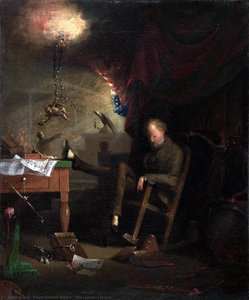
Blythe's most famous works during this period include “Crime & Punishment,” a haunting grayscale portrait capturing the isolation and despair of an elderly man. The painting’s muted tones and somber composition evoke a sense of melancholy and resignation, reflecting Blythe’s own disillusionment with American society. “Pittsburgh Piety” is another significant example of his satirical style—a dramatic depiction of a religious procession that exposes the hypocrisy and superficiality of organized religion. These paintings were not merely artistic exercises; they were deliberate acts of social commentary, intended to provoke thought and challenge conventional values.
The Panorama and Final Years
In an ambitious attempt to establish himself as a major artist, Blythe invested considerable time and resources in creating a large-scale panorama—a moving canvas depicting scenes from American history and mythology. The panorama, which toured various cities throughout the Midwest, was a complex undertaking involving intricate painting techniques and elaborate mechanical devices. However, despite Blythe’s efforts, the panorama ultimately failed to achieve commercial success, leading to financial ruin and further exacerbating his personal struggles.
Following the failure of his panorama, Blythe returned to East Liverpool and continued to paint portraits and occasionally engage in poetry. His later works are characterized by a greater sense of maturity and sophistication—reflecting his accumulated experience and artistic growth. Despite facing numerous hardships and setbacks, Blythe remained committed to his art until his death in 1865, leaving behind a legacy of powerful and unsettling images that continue to resonate with viewers today. His final works are often imbued with a sense of melancholy and resignation, perhaps reflecting the profound disillusionment he felt towards the direction of American society.
Legacy and Significance
David Gilmour Blythe’s work is now recognized as a significant contribution to American art—a rare example of an artist who dared to confront uncomfortable truths about his nation's past. His satirical style, combined with his unflinching realism, offers a unique perspective on the social and political landscape of 19th-century America. Blythe’s paintings are not merely aesthetically pleasing; they are powerful reminders of the challenges faced by marginalized communities and the enduring need for critical reflection.
Blythe's legacy extends beyond his artistic achievements. He is remembered as a poet, a craftsman, and a man of profound integrity—a figure who embodied both the promise and the contradictions of the American experiment. His work continues to inspire artists and scholars alike, prompting us to examine our own history with honesty and compassion.
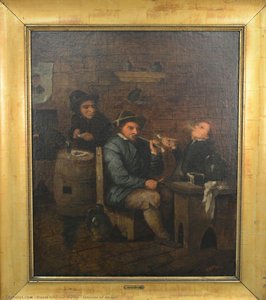
david gilmour blythe
1815 - 1865
Quick Facts
- Artistic Movement Or Style: Satirical painting
- Artists Or Movements Influenced By This Artist: ['Romanticism']
- Artists Who Influenced This Artist:
- Longfellow
- Poe
- Date Of Birth: May 9, 1815
- Date Of Death: May 15, 1865
- Full Name: David Gilmour Blythe
- Nationality: American
- Notable Artworks:
- Crime & Punishment
- Pittsburgh Piety
- Place Of Birth: East Liverpool, Ohio