 Preview
 Send
Send Share
Share
 Details

 Download
 Similars
 X-Ray
X-Ray Diaporama
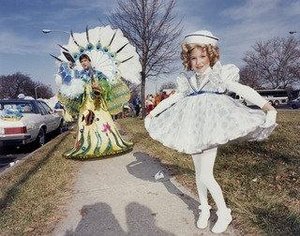
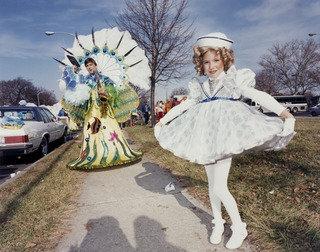
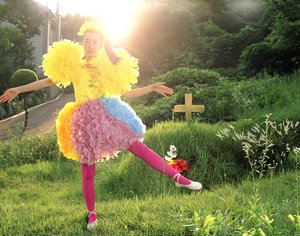
Shirley Temple, Mummer's Parade, Philadelphia, Pennsylvania
 1983
1983 38.0 x 48.0 cm
 Read More
Giclée / Art Print
Museum-quality giclée or canvas print with fast production and flexible finish options. ( Buy Hand Made Painting Buy Image)




































Pick from our preset sizes that match the artwork's original proportions.

You may enter your own dimensions to fit a specific frame or space. If your selected size does not match the original image's proportions, we will either crop the artwork or extend the image with a mirrored or solid-fill edge. A digital mockup will be sent for your approval before production begins.
Please note that the on-screen preview does not reflect the actual cropping or extension. Only the mockup will accurately show the final composition.
While custom sizes are available, we recommend selecting a dimension from the predefined list to preserve the original proportions.
Worldwide Delivery () in 2 weeks instead of standard 4/5 weeks. (22 August)

Free Worldwide Express Shipping

High-Quality Linen Canvas

Full Shipping Insurance

Customs Tax Refund Guarantee

True Color Matching Guarantee

60-Day Return Policy (Defects Only)

100% Money-Back Guarantee

Bulk Discount Offer
 Glass option is only available in size under 110 CM

Shirley Temple, Mummer's Parade, Philadelphia, Pennsylvania
Giclée / Art Print
Reproduction Size
-


Total Price
$ 63
Related Artworks








Artist Biography
David Marshall Graham: Painter of Maine’s Soul
David Marshall Graham (born 1947) is an American landscape painter renowned for his evocative depictions of the rugged coastline and rural interiors of Maine, capturing a timeless spirit of Americana. His distinctive style blends meticulous realism with subtle surrealism, resulting in paintings that resonate deeply with viewers and celebrate the beauty of the natural world alongside poignant reflections on human experience. Graham’s artistic journey began in Feasterville, Pennsylvania, where he was raised amidst a family steeped in artistic tradition. Encouraged by his father, a sculptor, Graham honed his observational skills and developed an unwavering fascination for capturing light and texture—elements that would become central to his oeuvre. He pursued formal training at Pratt Institute in Brooklyn, New York, immersing himself in the techniques of oil painting and mastering the art of layering colors to achieve breathtaking luminosity. His breakthrough came with a series of paintings inspired by Maine’s dramatic landscapes – particularly its rocky shores and windswept pines. Graham's approach isn’t merely representational; he strives to convey emotion and atmosphere, utilizing color palettes that mirror the moods of the seasons and employing brushstrokes that mimic the movement of wind and water. He often incorporates symbolic elements into his compositions—birds, trees, and solitary figures—suggesting themes of resilience, contemplation, and connection to nature. Influenced by artists like Edward Hopper and Albert Bierstadt, Graham’s work possesses a quiet grandeur and conveys a profound sense of solitude. Graham's artistic development progressed steadily throughout the 1970s and 80s, marked by experimentation with different mediums and stylistic explorations. He moved beyond purely representational landscapes to incorporate elements of dreamlike imagery and psychological introspection—a shift that solidified his reputation as a visionary artist. His paintings frequently depict interiors bathed in soft light, populated by solitary figures engaged in quiet activities—scenes that evoke feelings of nostalgia and contemplation. Graham’s most celebrated achievement is arguably “Robin,” completed in 1979. This surreal photographic painting depicts a robin perched on a branch against a backdrop of muted colors and textured surfaces. The image captures the essence of childhood innocence and faith, conveying a palpable sense of loneliness and Americana. Critics lauded Graham's masterful use of color and composition, recognizing his ability to distill complex emotions into a single visual statement. It remains one of his most iconic works, embodying his signature style and cementing his place as a pivotal figure in American landscape painting. Graham continues to work prolifically today, maintaining a studio in Maine and exhibiting his paintings internationally. His enduring legacy lies not only in the beauty of his artwork but also in its ability to inspire viewers with its quiet contemplation and profound appreciation for the natural world—a testament to Graham’s unwavering dedication to capturing the soul of Maine and conveying timeless truths about human existence.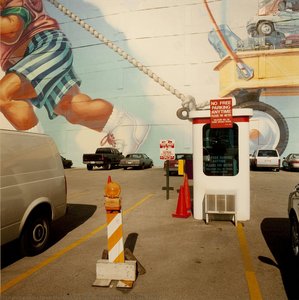
Quick Facts
- Artistic Movement Or Style: Photorealism
- Artists Or Movements Influenced By This Artist: ['Photorealism']
- Artists Who Influenced This Artist:
- Edward Hopper
- Richard Estes
- Date Of Birth: 1947
- Full Name: David Marshall Graham
- Nationality: American
- Notable Artworks: ['Robin, Feasterville']
- Place Of Birth: Feasterville, Pennsylvania, USA