

 Preview
 Send
Send Share
Share
 Details

 Download
 Similars
 X-Ray
X-Ray Diaporama
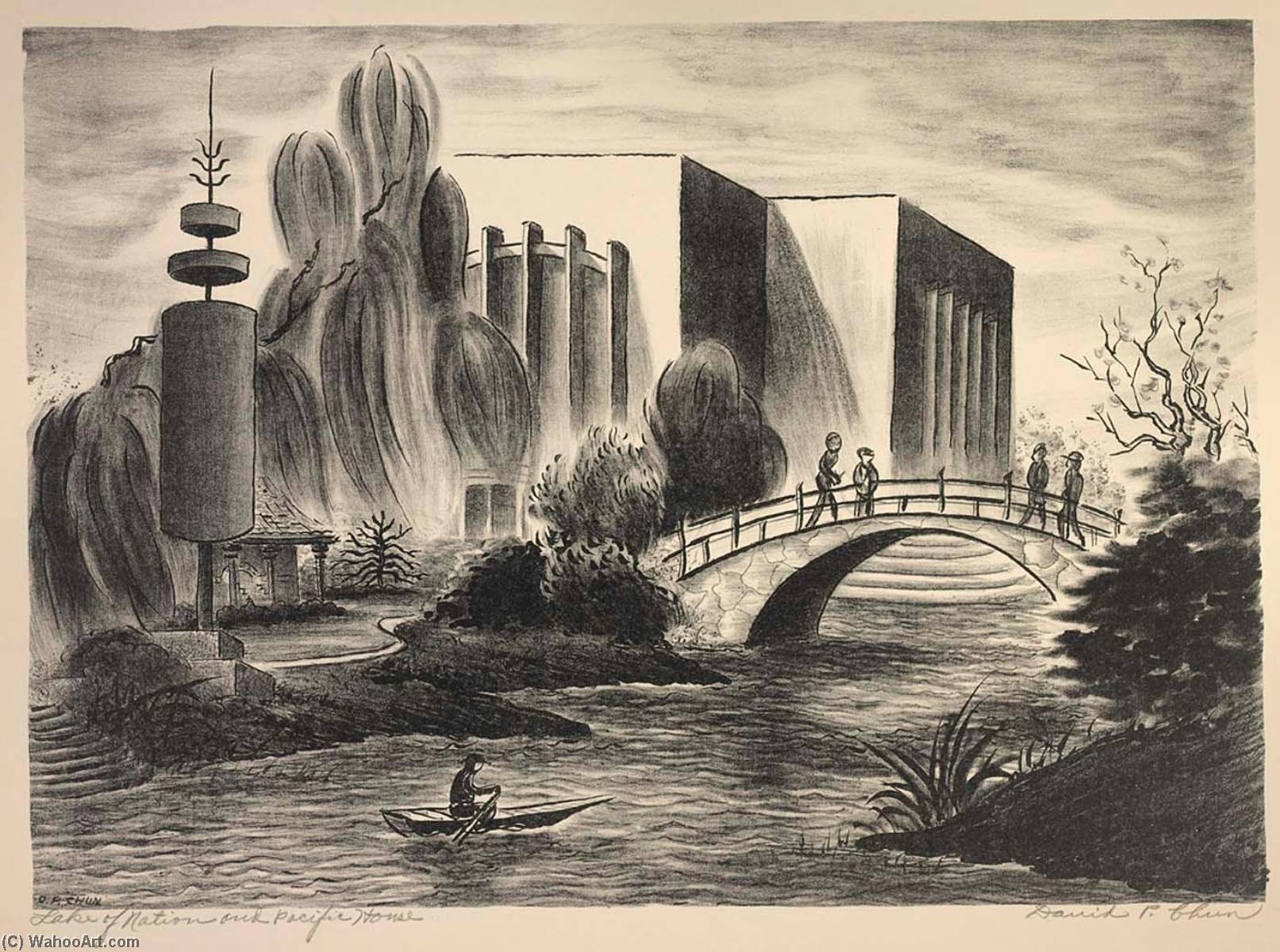
Lake of the Nation and Pacific House
 1940
1940 26.0 x 36.0 cm
 Read More
Purchase a high-resolution, enhanced digital image, far superior to the online preview.
Each file is meticulously prepared by our in-house specialists using advanced tools and expert manual retouching. We ensure every image has exceptional clarity, precise color accuracy, and fine detail.
The final file is delivered via email within 72 hours, optimized for immediate use in professional, editorial, and print environments. This is the same quality trusted by top-tier design studios, publishers, and galleries.
Digital Image
Download a high-resolution file for personal display, printing, and creative projects. ( Buy Print Buy Hand Made Painting)
Included in Every Digital Image Order
Expert Digital Delivery, Guaranteed
When you choose ArtsDot.com, you're not just getting an image - you're receiving a professionally enhanced digital artwork, crafted with precision and backed by a satisfaction guarantee. Here's everything that comes with your order, automatically:

Fast Email Delivery
Your high-resolution digital image file will be emailed to you within 72 hours of ordering - ready for immediate use.

AI-Enhanced Digital File
Your artwork is professionally optimized using advanced AI tools and manual editing, ensuring maximum detail, clarity, and color accuracy.

Free Lifetime Re-Delivery
Accidentally deleted or lost your file? No worries - we'll resend it to you anytime, free of charge.

No Import Fees - Ever
Enjoy your artwork instantly with zero customs, duties, or delivery fees - digital downloads are always tax-free.

Color Accuracy Guarantee
We ensure your digital image reflects the original colors as closely as possible using professional tools and color management.

60-Day Satisfaction Guarantee
If you're not satisfied with your digital image, we'll revise it or refund 100% within 60 days - no questions asked.

100% Money-Back Guarantee
Not satisfied? Get a full refund within 60 days of receiving your digital file - no questions asked.

Bulk Order Discounts
Buy 3 images, save 10% - Buy 5, save 15% - Buy 10+, save 20%. Great for creative projects, galleries, and agencies.
The Artist and His Work
David P. Chun was an American artist known for his captivating depictions of everyday life. His work often featured scenes of people going about their daily activities, as seen in Lake of the Nation and Pacific House. This painting measures 26 x 36 cm and is made on paper, demonstrating the artist's ability to create intricate and detailed works using a variety of mediums.The Painting's Composition
The composition of Lake of the Nation and Pacific House is characterized by its use of bold lines and shapes. The painting features several individuals walking across a bridge, with two boats visible in the water. The setting appears to be an industrial area, with buildings and structures surrounding the scene. A clock can be seen on a wall, adding to the overall atmosphere of the image. Key Features:- The painting's use of bold lines and shapes creates a sense of energy and movement.
- The inclusion of everyday people and objects adds a sense of realism and familiarity to the scene.
- The industrial backdrop provides a unique and interesting context for the painting.
Conservation and Preservation
Lake of the Nation and Pacific House is part of the collection at the Smithsonian American Art Museum in the United States. The museum is dedicated to preserving and showcasing American art from the colonial period to the present. Visitors can view the painting in person or explore the museum's online collections, including works by other notable artists such as Louis Lozowick and Blanche Grambs. For more information on David P. Chun and his work, visit /art/list/?Filter=AR22VL-David-P-Chun-Lake-of-the-Nation-and-Pacific-House or explore the Smithsonian American Art Museum website at https://americanart.si.edu/.To discover more about hand-made oil painting reproductions, visit https://ArtsDot.com.
Related Artworks









Artist Biography
A Chronicler of Honolulu: The Life and Art of David P. Chun
David P. Chun, also known as David Ramsey, stands as a significant, though often overlooked, figure in 20th-century American Regionalism, specifically within the context of Hawaiian art. Born in Honolulu in 1898, Chun dedicated his life to capturing the evolving spirit of his city and the surrounding Pacific landscape. Unlike many artists who sought training on the mainland or abroad, Chun’s artistic education was deeply rooted in Hawaii itself, fostering a unique perspective that blended traditional techniques with a modern sensibility. His career spanned decades, witnessing – and documenting – Honolulu's transformation from a quiet port town to a bustling urban center. While biographical details remain somewhat sparse, the body of his work speaks volumes about a man intimately connected to his environment and driven by a desire to preserve its beauty and character. He passed away in 1989, leaving behind a legacy of paintings that offer invaluable insights into a pivotal period of Hawaiian history.Early Influences and Artistic Development
Chun’s early artistic development was shaped by the vibrant cultural tapestry of Honolulu at the turn of the century. The city was undergoing rapid change, attracting diverse communities and experiencing a burgeoning interest in both Eastern and Western art forms. While formal training records are limited, it is believed he received instruction from local artists and likely benefited from exposure to visiting painters who often depicted Hawaiian scenes. His initial works demonstrate a clear fascination with light and color, reminiscent of the Impressionist movement, but quickly evolved into a more grounded style focused on depicting the specific architectural details and everyday life of Honolulu. He wasn’t merely painting *what* he saw, but *how* it felt to live in this rapidly changing place. This early period also reveals an interest in watercolor techniques, which would become a hallmark of his mature work. The influence of Japanese art is subtly present in some compositions, reflecting the strong cultural presence within Hawaii and potentially stemming from family connections or local artistic traditions.Honolulu as Muse: Themes and Techniques
The city of Honolulu served as Chun’s primary muse throughout his career. His paintings are not grand historical narratives but intimate portrayals of urban scenes, bustling marketplaces, quiet residential streets, and the dramatic coastline surrounding the island. He possessed a remarkable ability to capture the atmosphere of a place – the humidity hanging in the air, the warmth of the sun on weathered buildings, the energy of a busy street corner. His work is characterized by a meticulous attention to detail, rendering each building, vehicle, and figure with precision and care. Chun’s preferred medium was watercolor, which he masterfully employed to create luminous washes of color and subtle gradations of tone. He often combined watercolor with ink or gouache to achieve greater depth and contrast. His palette typically favored earthy tones – ochres, browns, greens, and blues – reflecting the natural colors of the Hawaiian landscape and urban environment. Recurring themes include depictions of local businesses, street life, harbor scenes, and the iconic Diamond Head crater looming in the background.American Regionalism and Historical Significance
While not formally affiliated with any specific art movement, Chun’s work aligns closely with the principles of American Regionalism, which emerged in the 1930s as a reaction against European abstraction and a celebration of distinctly American subjects. Like artists such as Thomas Hart Benton and Grant Wood, Chun focused on depicting the everyday life and landscapes of his region – in his case, Hawaii. However, his work differs from that of his mainland counterparts in its subject matter and cultural context. Chun’s paintings offer a unique perspective on American life during this period, showcasing a vibrant multicultural community often absent from mainstream Regionalist depictions. His art provides valuable documentation of Honolulu's architectural evolution and social changes throughout the 20th century. As Hawaii transitioned from a territorial possession to a state in 1959, Chun’s paintings captured a sense of both continuity and transformation, preserving a visual record of a pivotal moment in Hawaiian history. Today, his work is increasingly recognized for its artistic merit and historical significance, offering a compelling glimpse into the heart and soul of Honolulu.Legacy and Continued Appreciation
Despite not achieving widespread fame during his lifetime, David P. Chun’s legacy continues to grow as scholars and art enthusiasts rediscover his captivating paintings. His work is held in numerous private collections and museums throughout Hawaii and beyond.- His paintings are prized for their meticulous detail, evocative atmosphere, and unique perspective on Hawaiian life.
- Chun’s dedication to capturing the evolving spirit of Honolulu has made him a beloved figure among local art collectors and historians.
- The increasing interest in American Regionalism and multicultural art is further fueling appreciation for his contributions.
david p chun
1898 - 1989
Quick Facts
- Artistic Movement Or Style: Regionalism
- Artists Or Movements Influenced By This Artist: ['Milwaukee Art Museum']
- Artists Who Influenced This Artist:
- Wing Chun
- David Ramsey
- Date Of Death: 1989
- Full Name: David Paul Chun
- Nationality: American
- Notable Artworks:
- Lake of the Nation and Pacific House
- San Francisco Pier
- Place Of Birth: Honolulu, HI

