 Preview
 Send
Send Share
Share
 Details

 Download
 Similars
 X-Ray
X-Ray Diaporama
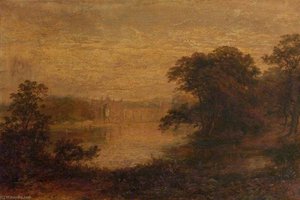
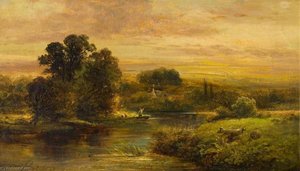
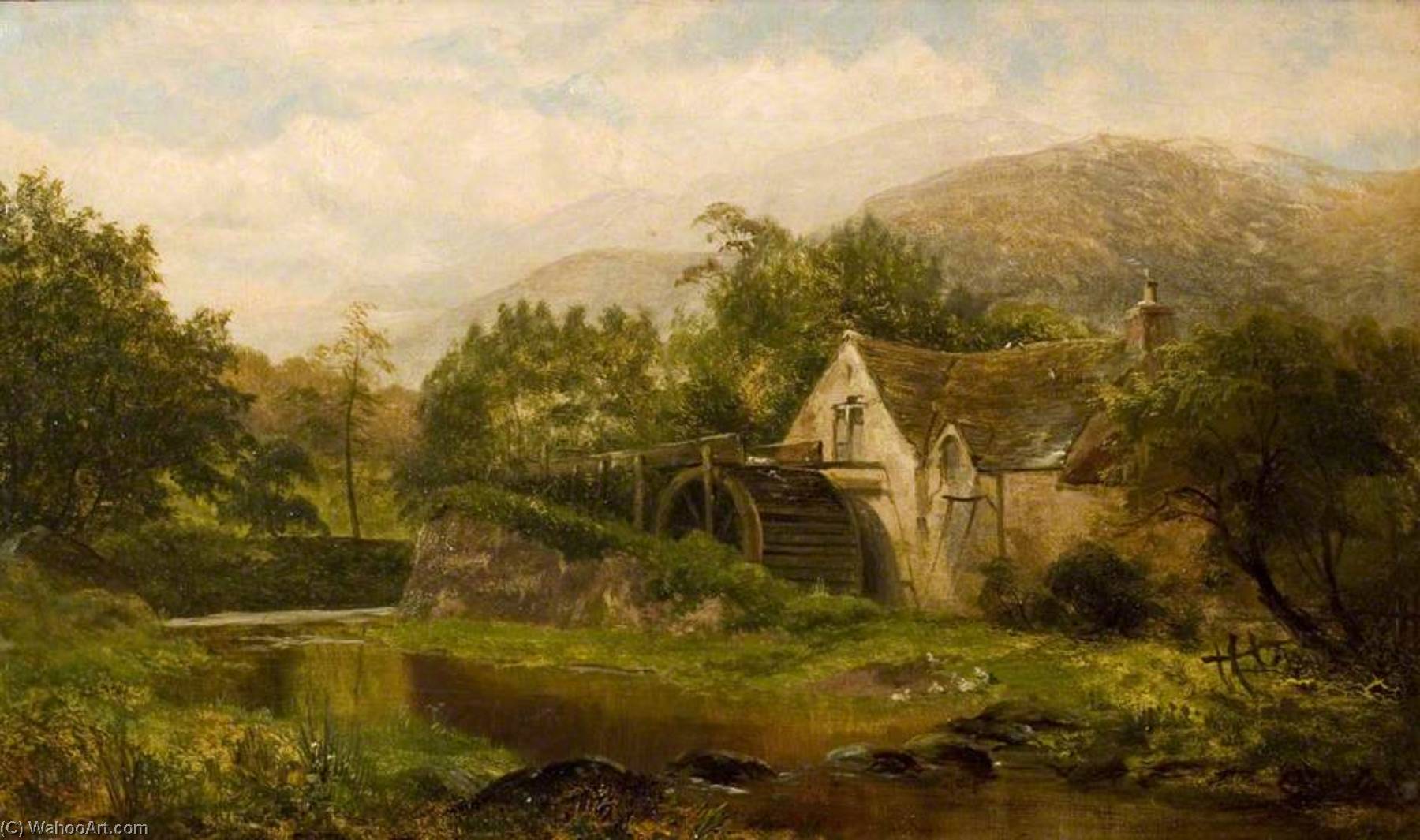
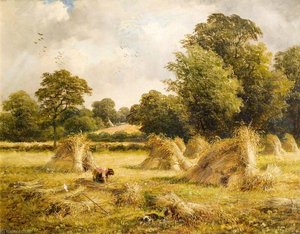
On the Banks of the Nith
 29.0 x 49.0 cm
 Read More
Hand Made Oil Reproduction
Hand-painted oil on canvas in your size and frame, made to order by our artists. ( Buy Print Buy Image)




































Pick from our preset sizes that match the artwork's original proportions.

You may enter your own dimensions to fit a specific frame or space. If your selected size does not match the original image's proportions, we will either crop the artwork or extend the painting with additional hand-painted elements. A digital mockup will be sent for your approval before production begins.
Please note that the on-screen preview does not reflect the actual cropping or extension. Only the mockup will accurately show the final composition.
While custom sizes are available, we recommend selecting a dimension from the predefined list to preserve the original proportions.
After order, ArtsDot.com team will email client for instructions and provide a mockup preview
Worldwide Delivery () in 3/4 weeks instead of standard 5 weeks. (27 August). No compromise on quality.

Free Worldwide Express Shipping

High-Quality Linen Canvas

Full Shipping Insurance

Customs Tax Refund Guarantee

True Color Matching Guarantee

60-Day Return Policy (Defects Only)

100% Money-Back Guarantee

Bulk Discount Offer
 Glass option is only available in size under 110 CM

On the Banks of the Nith
Reproduction Medium
Reproduction Size
-


Total Price
$ 263
Related Artworks



Artist Biography
A Visionary of the Derbyshire Landscape
The story of David Payne is one of profound transformation, a journey from the practical application of color to the ethereal realms of trompe l'oeil and romantic landscape. Born in 1843 in the quiet town of Annan, Dumfriesshire, Payne’s early life was shaped by the sturdy, tactile world of his father, a skilled mason. This foundational connection to texture and form would later manifest in his extraordinary ability to deceive the eye through paint. Educated at the Annan Academy alongside fellow artist William Ewart Lockhart, Payne possessed an innate sensitivity to the natural world that would eventually lead him far from the borders of Scotland to the heart of the English Midlands.
Before he was a celebrated member of the Royal Scottish Academy, Payne’s hands were engaged in the more utilitarian craft of house painting. This period of his life, while seemingly distant from the fine arts, provided him with a rigorous understanding of pigment, surface, and light—elements that would become the cornerstone of his mature style. When he relocated to Derby in 1869, he entered a vibrant industrial art scene, finding himself deeply influenced by George Turner, often referred to as “Derbyshire’s John Constable.” Under this influence, Payne began to weave together the rugged beauty of the British countryside with a sophisticated technical mastery that sought to elevate the landscape beyond mere documentation.
Mastery of Illusion and the Romantic Spirit
As his career progressed, Payne’s work became a captivating dialogue between reality and illusion. While he remained a dedicated chronicler of rural scenes, he gained significant renown for his trompe l'oeil techniques, where brushstrokes were used to create three-dimensional illusions so convincing they seemed to leap from the canvas. This fascination with the tactile nature of art allowed him to explore the Romantic spirit of the Victorian era—a period defined by a deep reverence for nature and an ambitious desire to push the boundaries of artistic representation.
His technical prowess was not limited to the two-dimensional plane. In 1882, Payne achieved a monumental milestone when he won the Derby Art Gallery Medal for Industrial Art. The honor was bestowed upon his sculpture, “The Two Anglers,” a piece that showcased his ability to manipulate form and space with the same precision he applied to his landscapes. This achievement cemented his status as one of the preeminent artists of the region, proving that his vision could transcend the medium of oil on canvas to capture the very essence of life through carved stone and clay.
A Legacy Etched in History
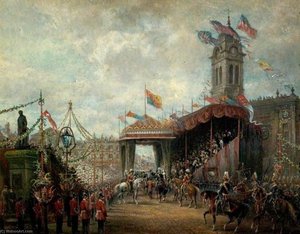
Payne’s significance extends far beyond the aesthetic; he was a witness to the unfolding history of his adopted home. His painting, “Market Place (The Royal Visit, Derby, 21 May 1891),” serves as a breathtaking historical document, capturing the grandeur and communal fervor of Queen Victoria’s visit to Derby for the laying of the foundation stone of the Derbyshire Royal Infirmary. Through his eyes, we see the bustling crowds, the fluttering bunting, and the solemnity of a royal procession, all rendered with a sense of movement and atmosphere that brings the nineteenth century back to life.
Though his life was cut short in 1894, the legacy of David Payne remains preserved in some of Britain’s most esteemed institutions. His contributions to the art world are characterized by:
- Technical Innovation: The seamless integration of traditional landscape painting with the deceptive brilliance of trompe l'oeil.
- Regional Importance: A profound dedication to capturing the soul of Derbyshire, from its quiet lanes to its grand civic moments.
- Institutional Presence: Work held in prestigious collections including the Derby Museum & Art Gallery, the Royal Scottish Academy, and the Southampton City Art Gallery.
Today, Payne is remembered not merely as a painter of scenes, but as a master of perception, an artist who could find the extraordinary within the ordinary and invite every viewer to look twice at the world around them.
david payne
1843 - 1894
Quick Facts
- Artistic Movement Or Style: Landscape Painting
- Artists Or Movements Influenced By This Artist: ['Derbyshire Art Scene']
- Artists Who Influenced This Artist: ['George Turner']
- Date Of Birth: 1843
- Date Of Death: 1894
- Full Name: David Payne
- Nationality: Scottish
- Notable Artworks:
- Market Place (The Royal Visit, Derby)
- Harvest Home and Golden Corn
- Rural Landscape with Sheep Grazing
- Place Of Birth: Annan, Dumfries Shire