 Preview
 Send
Send Share
Share
 Details

 Download
 Similars
 X-Ray
X-Ray Diaporama
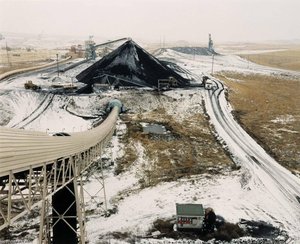
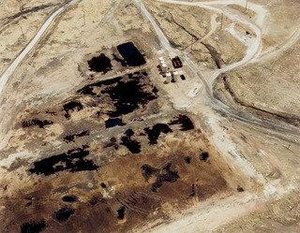
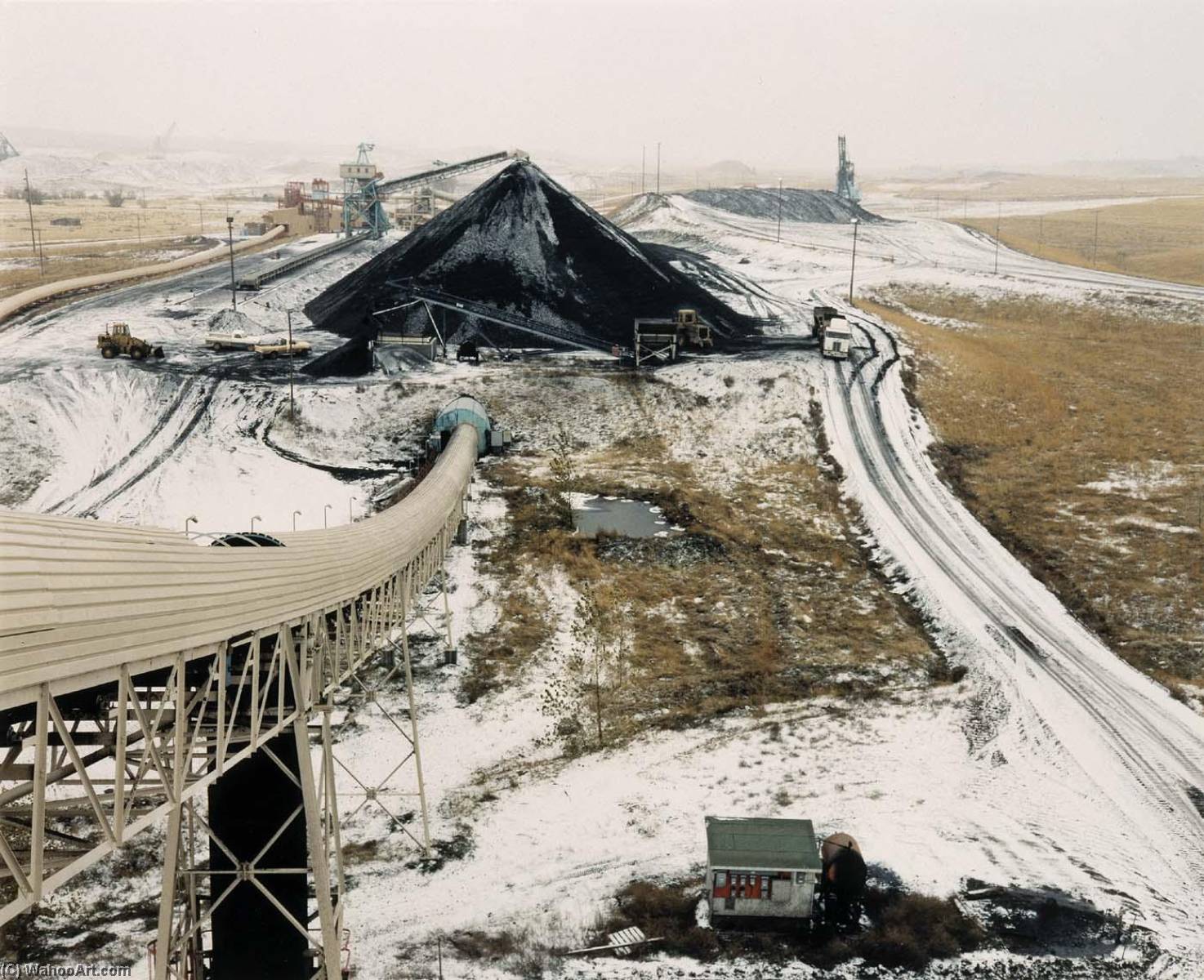
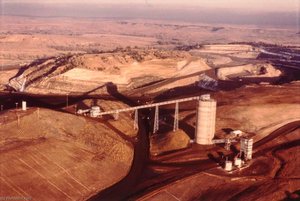
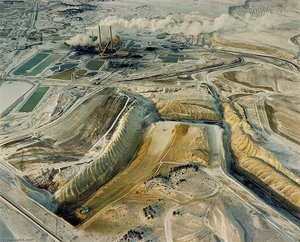
Coal Storage Area and Railroad Tipple. October 1984, from the series Colstrip, Montana 1982 1985
 1984
1984 28.0 x 36.0 cm
 Read More
Giclée / Art Print
Museum-quality giclée or canvas print with fast production and flexible finish options. ( Buy Hand Made Painting Buy Image)




































Pick from our preset sizes that match the artwork's original proportions.

You may enter your own dimensions to fit a specific frame or space. If your selected size does not match the original image's proportions, we will either crop the artwork or extend the image with a mirrored or solid-fill edge. A digital mockup will be sent for your approval before production begins.
Please note that the on-screen preview does not reflect the actual cropping or extension. Only the mockup will accurately show the final composition.
While custom sizes are available, we recommend selecting a dimension from the predefined list to preserve the original proportions.
Worldwide Delivery () in 2 weeks instead of standard 4/5 weeks. (23 August)

Free Worldwide Express Shipping

High-Quality Linen Canvas

Full Shipping Insurance

Customs Tax Refund Guarantee

True Color Matching Guarantee

60-Day Return Policy (Defects Only)

100% Money-Back Guarantee

Bulk Discount Offer
 Glass option is only available in size under 110 CM

Coal Storage Area and Railroad Tipple. October 1984, from the series Colstrip, Montana 1982 1985
Giclée / Art Print
Reproduction Size
-


Total Price
$ 63
Related Artworks






Artist Biography
David T. Hanson: Witnessing Wasteland
Born in Billings, Montana, in 1948, David T. Hanson’s artistic journey began not with a formal education or a grand ambition, but with an unsettling encounter – a stark vista of industrial decay amidst the vast Montana landscape. This initial observation, a collision between the rugged beauty of the American West and the brutal realities of resource extraction, would become the defining theme of his career, shaping his distinctive photographic style and cementing his place as a crucial voice in environmental art.
Hanson’s early life instilled within him a deep connection to the land. Growing up in Montana, he developed an appreciation for its raw power and inherent vulnerability. This formative experience, coupled with a Bachelor of Arts degree in English Literature from Stanford University and later an M.F.A. in Photography from Rhode Island School of Design, provided him with both the intellectual framework and artistic tools to translate his observations into compelling visual narratives. His initial foray into photography was influenced by masters like Ansel Adams, focusing on capturing the grandeur of nature; however, a pivotal nine-month workshop with Minor White in 1973 marked a significant shift, leading him to confront the destructive forces impacting the natural world.
The Colstrip Series: A Chronicle of Transformation
The turning point in Hanson’s career arrived in 1982 during a drive back to his family home. He stumbled upon Colstrip, Montana – a small town built around a massive coal strip mine and the associated power plant. The scene was jarring: an industrial complex aggressively reshaping the surrounding landscape, leaving behind a desolate wasteland of scarred earth and abandoned infrastructure. This encounter ignited a profound artistic crisis; Hanson realized that nature wasn’t simply being observed but actively assaulted by human activity. He began documenting this transformation through a series of large-format photographs, collectively known as “Waste Land,” which became his most celebrated work.
The "Waste Land" series is not merely documentation; it's a powerful indictment of industrial progress and its devastating consequences. Hanson’s images are characterized by their stark contrasts – the vibrant hues of the Montana sky juxtaposed against the muted tones of the ravaged landscape, the imposing scale of the machinery dwarfing the surrounding terrain. He employed aerial perspectives to reveal the sheer magnitude of the destruction, while close-up shots highlighted the textures and patterns of decay. These photographs were exhibited at the Museum of Modern Art in New York City in 1984 and 1986, bringing widespread attention to his work and establishing him as a leading voice in environmental photography.
Beyond Colstrip: Expanding the Scope
Following the success of “Waste Land,” Hanson continued to explore themes of industrialization, military sites, and environmental degradation. He shifted his focus from solely documenting destruction to investigating the complex relationship between humans and the environment, often incorporating mixed-media installations into his exhibitions. His work extended beyond Montana, encompassing projects in North Carolina examining industrial pollution and endangered species, as well as investigations into the Dugway Proving Ground in Utah – a former nuclear testing site.
Throughout his career, Hanson has collaborated with environmental organizations and legislators, using his photographs to raise awareness about critical issues. His work has been recognized with numerous awards, including Guggenheim Fellowships and National Endowment for the Arts grants, solidifying his reputation as a significant artist and advocate for environmental conservation. His 1997 monograph, “Waste Land,” published by Aperture, further cemented his legacy, featuring essays from prominent writers and critics reflecting on the profound impact of his work.
Legacy and Influence
David T. Hanson’s photographs are more than just images; they're visual testaments to a critical moment in environmental history. His ability to capture both the beauty and the brutality of industrial landscapes has had a lasting influence on contemporary photography and environmental art. His work compels viewers to confront uncomfortable truths about our relationship with the natural world, urging us to consider the long-term consequences of our actions. Hanson’s legacy lies not only in his stunning imagery but also in his unwavering commitment to using his art as a tool for social change, reminding us that witnessing wasteland can be the first step towards demanding a better future.
david t hanson
1948 -
Quick Facts
- Artistic Movement Or Style: Environmental photography
- Artists Or Movements Influenced By This Artist:
- Jacques-Louis David
- Romanticism
- Artists Who Influenced This Artist:
- Ansel Adams
- Minor White
- Date Of Birth: January 28, 1948
- Full Name: David Taverner Hanson
- Nationality: American
- Notable Artworks:
- Waste Land
- Colstrip, Montana
- Place Of Birth: Billings, Montana