

 Preview
 Send
Send Share
Share
 Details

 Download
 Similars
 X-Ray
X-Ray Diaporama
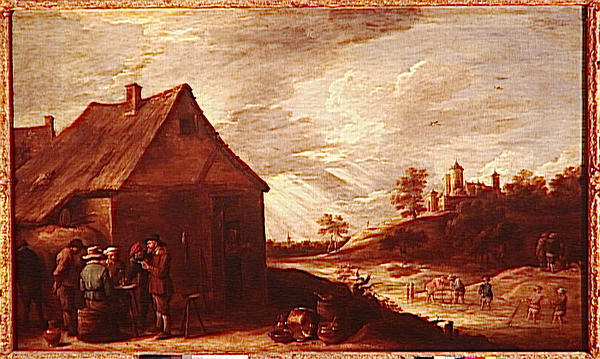
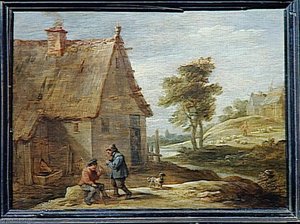
CABARET PRES D'UNE RIVIERE AVEC DES PECHEURS AU FILET


 Read More
Purchase a high-resolution, enhanced digital image, far superior to the online preview.
Each file is meticulously prepared by our in-house specialists using advanced tools and expert manual retouching. We ensure every image has exceptional clarity, precise color accuracy, and fine detail.
The final file is delivered via email within 72 hours, optimized for immediate use in professional, editorial, and print environments. This is the same quality trusted by top-tier design studios, publishers, and galleries.
Digital Image
Download a high-resolution file for personal display, printing, and creative projects. ( Buy Print Buy Hand Made Painting)
Included in Every Digital Image Order
Expert Digital Delivery, Guaranteed
When you choose ArtsDot.com, you're not just getting an image - you're receiving a professionally enhanced digital artwork, crafted with precision and backed by a satisfaction guarantee. Here's everything that comes with your order, automatically:

Fast Email Delivery
Your high-resolution digital image file will be emailed to you within 72 hours of ordering - ready for immediate use.

AI-Enhanced Digital File
Your artwork is professionally optimized using advanced AI tools and manual editing, ensuring maximum detail, clarity, and color accuracy.

Free Lifetime Re-Delivery
Accidentally deleted or lost your file? No worries - we'll resend it to you anytime, free of charge.

No Import Fees - Ever
Enjoy your artwork instantly with zero customs, duties, or delivery fees - digital downloads are always tax-free.

Color Accuracy Guarantee
We ensure your digital image reflects the original colors as closely as possible using professional tools and color management.

60-Day Satisfaction Guarantee
If you're not satisfied with your digital image, we'll revise it or refund 100% within 60 days - no questions asked.

100% Money-Back Guarantee
Not satisfied? Get a full refund within 60 days of receiving your digital file - no questions asked.

Bulk Order Discounts
Buy 3 images, save 10% - Buy 5, save 15% - Buy 10+, save 20%. Great for creative projects, galleries, and agencies.
Collectible Description
A Day by the Water: The Charm of Riverside Life
To gaze upon this depiction of a riverside scene is to be gently transported to a bygone era, a moment suspended in the warm embrace of 17th-century Flemish life. David Teniers II le Jeune masterfully captures not just a landscape, but a vibrant tableau of human existence interwoven with the natural world. The composition draws the eye across the gentle curve of the river, where the mundane rhythm of daily labor—the patient casting of fishing nets—mingles seamlessly with the convivial atmosphere emanating from the small cabaret nestled near the bank. It speaks to a time when community life unfolded openly, under an expansive sky, making it an immediate and deeply relatable scene for any admirer of historical genre painting.
Mastery in Earth Tones: Technique and Atmosphere
The technical brilliance evident in this work is palpable. The artist employs a rich palette dominated by earthy tones—deep ochres, muted greens, and warm browns—that lend the entire scene an undeniable patina of age and history. One can almost feel the texture of the oil paint applied through careful layering, or glazing, which builds depth into the very atmosphere. The light itself is diffused, suggesting the soft glow of an overcast day; it does not harshly illuminate but rather bathes the structures and figures in a gentle, consistent luminescence. This masterful handling of light and shadow, characteristic of the period, gives the painting its profound sense of quiet dignity.
The Narrative Heart: Community and Sustenance
Beyond the mere depiction of buildings and water, this artwork functions as a rich narrative tapestry. The foreground buzzes with implied activity—the fishermen preparing their catch, perhaps sharing stories over ale within the tavern's warm glow. This focus on everyday rural life elevates the piece beyond simple genre documentation; it becomes an ode to community. It suggests themes of sustenance derived from both the river and the fellowship shared within its banks. The distant hills and the suggestion of a more imposing structure in the background anchor this intimate scene within a larger, settled world.
A Timeless Echo for Modern Spaces
For the collector or designer seeking to infuse a space with depth, history, and quiet sophistication, this reproduction offers an unparalleled focal point. Its inherent warmth and narrative richness allow it to complement interiors ranging from rustic libraries to elegantly appointed drawing rooms. It does not shout for attention; rather, it invites contemplation. Owning this piece is acquiring more than just art; it is curating a moment of historical tranquility—a beautiful, enduring echo of life lived simply by the water's edge.
Related Artworks



Artist Biography
Michelangelo Merisi da Caravaggio: A Revolutionary of Light and Shadow
Michelangelo Merisi, more famously known as Caravaggio, remains one of the most intensely debated and profoundly influential figures in art history. Born in Milan in 1571, his life was a whirlwind of dramatic events – marked by both extraordinary artistic talent and a volatile temperament – that mirrored the intensity he brought to his paintings. His brief but explosive career irrevocably altered the course of European painting, establishing techniques and approaches that continue to resonate with artists today. Caravaggio’s legacy rests not just on his innovative style, but also on his willingness to challenge established conventions and depict humanity in all its flawed beauty.Caravaggio's early years were characterized by a struggle for recognition within the bustling artistic landscape of Milan. He initially specialized in still lifes – arrangements of fruits and flowers – earning a modest living through street sales. This period, however, provided him with invaluable experience in observing nature’s subtleties and mastering the delicate handling of paint. It was in 1592 that he moved to Rome, the undisputed heart of artistic innovation at the time, seeking opportunities to hone his skills and immerse himself in the city's rich cultural environment. The vibrant atmosphere of Rome proved both alluring and challenging; it offered a stage for his burgeoning talent but also exposed him to the temptations and pressures of a competitive art world.
The Dramatic Impact of Light and Shadow
Caravaggio’s artistic breakthrough stemmed from a radical departure from the prevailing Renaissance ideals. Unlike the polished, idealized figures favored by many of his contemporaries, Caravaggio depicted his subjects with startling realism – often drawing them directly from the streets as models. More crucially, he revolutionized painting through his masterful manipulation of *chiaroscuro*, the dramatic contrast between light and dark. He employed a single, intense light source, typically originating from an unseen window, to illuminate key figures while plunging the background into deep shadow. This technique created a powerful sense of immediacy, as if the scene were unfolding before the viewer’s very eyes. As Keith Christiansen notes in *Caravaggio (Michelangelo Merisi) (1571–1610) and His Followers*, “Caravaggio pushed the figures up against the picture plane and used light to enhance the dramatic impact and give the figures a quality of immediacy.” This approach broke down the traditional illusionistic space, bringing the viewer into direct engagement with the drama.His use of light wasn’t merely technical; it was deeply symbolic. Caravaggio frequently employed strong directional lighting to highlight moments of intense emotion or spiritual revelation. In works like *The Calling of Saint Matthew*, for example, a beam of light descends from above, illuminating Christ's outstretched hand and drawing the attention of the astonished apostle. This technique transformed religious scenes into intensely personal experiences, inviting viewers to contemplate their own relationship with faith.
Controversy and Rebellion
Caravaggio’s artistic innovations were not universally welcomed. His depictions of ordinary people – often rendered with unflattering features and dressed in contemporary clothing – challenged the established hierarchy of subject matter in art, which typically reserved religious figures for idealized representations. Furthermore, his rough, spontaneous technique was considered unorthodox by some critics who favored a more polished and refined style. His life outside the studio was equally turbulent. Accounts describe him as arrogant, rebellious, and prone to violent outbursts. He was repeatedly arrested for brawls, including one infamous incident involving a slashed cloak and an abusive exchange with the police.The most dramatic episode in his life occurred in 1606 when he fatally stabbed Ranuccio Tomassoni, a young man described variously as a lover or a tennis partner. Rather than face justice, Caravaggio fled Rome, abandoning his reputation and plunging into a period of exile. This act, coupled with his volatile personality, cemented his image as a dangerous and unpredictable artist.
A Turbulent Journey and Legacy
Caravaggio’s travels took him to Naples, Malta, and Sicily, each location marked by further episodes of conflict and upheaval. In Malta, he was granted membership in the Knights of St. John after painting *The Beheading of Saint John the Baptist*, but his temper soon led to another prison sentence. His final years were spent in Naples, where he suffered a severe injury during a bar brawl that left him permanently scarred. Despite these challenges, Caravaggio continued to paint until his death in 1610, likely from fever.Despite the brevity of his career and the darkness surrounding his life, Caravaggio’s influence on subsequent generations of artists is immeasurable. His innovations in *chiaroscuro*, his use of ordinary people as models, and his willingness to depict raw emotion profoundly impacted painters throughout Europe – including Rembrandt, Velázquez, and Gentileschi. His work continues to captivate audiences today, not only for its technical brilliance but also for its profound exploration of human nature, faith, and the power of light and shadow.
Further Resources
- Caravaggio (Michelangelo Merisi) (1571–1610) and His Followers - The Metropolitan Museum of Art: https://www.metmuseum.org/essays/caravaggio-michelangelo-merisi-1571-1610-and-his-followers
- Michelangelo Merisi da Caravaggio - National Gallery: https://www.nationalgallery.org.uk/artists/michelangelo-merisi-da-caravaggio
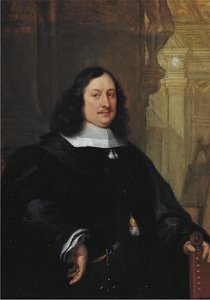
david teniers ii le jeune
1610 - 1690
Quick Facts
- Artistic Movement Or Style: Caravaggism
- Artists Or Movements Influenced By This Artist: ['Baroque']
- Artists Who Influenced This Artist: ['Leonardo da Vinci']
- Date Of Birth: 1571
- Date Of Death: 1610
- Full Name: Michelangelo Merisi da Caravaggio
- Nationality: Italian
- Notable Artworks:
- The Calling of Saint Matthew
- Supper at Emmaus
- David and Goliath
- Death of the Virgin
- Place Of Birth: Milan, Lombardy

