

 Preview
 Send
Send Share
Share
 Details

 Download
 Similars
 X-Ray
X-Ray Diaporama
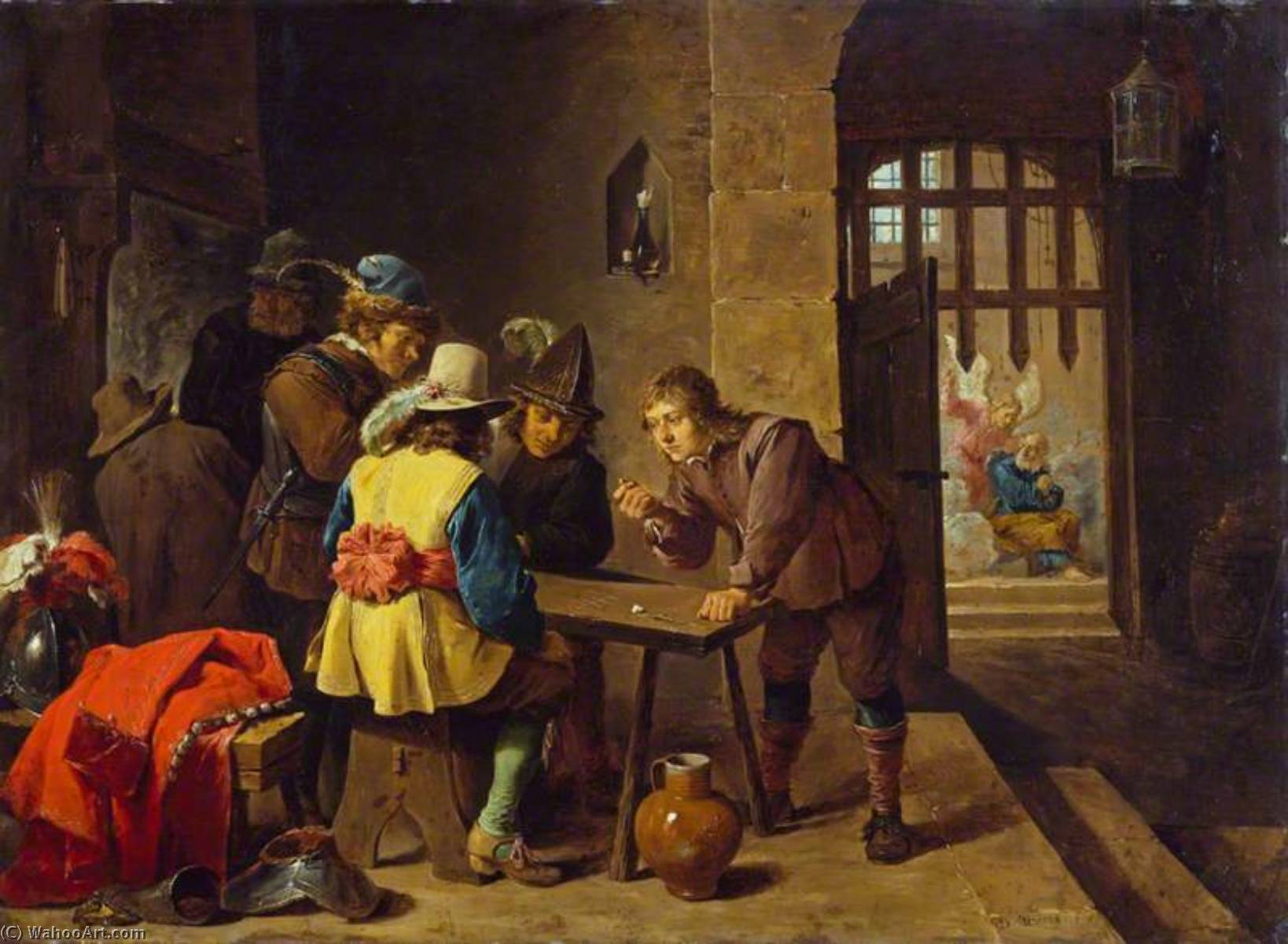
The Deliverance of Saint Peter
 Oil On Canvas
- WallArt
- Baroque
 1647
1647- Early Modern
 36.0 x 50.0 cm
 The Wallace Collection
 Read More
Purchase a high-resolution, enhanced digital image, far superior to the online preview.
Each file is meticulously prepared by our in-house specialists using advanced tools and expert manual retouching. We ensure every image has exceptional clarity, precise color accuracy, and fine detail.
The final file is delivered via email within 72 hours, optimized for immediate use in professional, editorial, and print environments. This is the same quality trusted by top-tier design studios, publishers, and galleries.
Digital Image
Download a high-resolution file for personal display, printing, and creative projects. ( Buy Print Buy Hand Made Painting)
Included in Every Digital Image Order
Expert Digital Delivery, Guaranteed
When you choose ArtsDot.com, you're not just getting an image - you're receiving a professionally enhanced digital artwork, crafted with precision and backed by a satisfaction guarantee. Here's everything that comes with your order, automatically:

Fast Email Delivery
Your high-resolution digital image file will be emailed to you within 72 hours of ordering - ready for immediate use.

AI-Enhanced Digital File
Your artwork is professionally optimized using advanced AI tools and manual editing, ensuring maximum detail, clarity, and color accuracy.

Free Lifetime Re-Delivery
Accidentally deleted or lost your file? No worries - we'll resend it to you anytime, free of charge.

No Import Fees - Ever
Enjoy your artwork instantly with zero customs, duties, or delivery fees - digital downloads are always tax-free.

Color Accuracy Guarantee
We ensure your digital image reflects the original colors as closely as possible using professional tools and color management.

60-Day Satisfaction Guarantee
If you're not satisfied with your digital image, we'll revise it or refund 100% within 60 days - no questions asked.

100% Money-Back Guarantee
Not satisfied? Get a full refund within 60 days of receiving your digital file - no questions asked.

Bulk Order Discounts
Buy 3 images, save 10% - Buy 5, save 15% - Buy 10+, save 20%. Great for creative projects, galleries, and agencies.
A Moment of Divine Intervention: The Deliverance of Saint Peter
To stand before David Teniers the Younger's depiction of The Deliverance of Saint Peter is to be transported across the centuries, into a moment charged with miraculous energy and profound human drama. This painting is far more than a mere illustration of scripture; it is a masterful tableau vivant, capturing the precise instant divine grace breaks through earthly confinement. The composition immediately draws the eye to the central figure of Saint Peter, whose liberation by celestial beings forms the emotional core of the piece. Teniers imbues this biblical rescue with a palpable sense of realism, making the miraculous feel utterly tangible.
The Craftsmanship of Flemish Baroque Realism
David Teniers the Younger, a leading voice in the vibrant tradition of Flemish Baroque painting, employed a technique characterized by meticulous detail and lively narrative energy. While his reputation often rests on genre scenes of peasant life, here we see his ability to handle grander historical narratives with equal finesse. Observe the handling of light; it does not merely illuminate the scene but seems to emanate from the angels themselves, casting dramatic highlights upon the figures' robes and the scattered objects within the room. The inclusion of everyday items—a chair, a cup, a vase, even a clock—serves to ground the extraordinary event in a believable domestic space. This juxtaposition of the sacred and the mundane is a hallmark of Teniers’ genius, inviting the viewer into an intimate viewing experience.
Symbolism Woven into the Scene
Every element within The Deliverance of Saint Peter seems imbued with symbolic weight. The angels themselves are conduits of divine will, their presence suggesting heavenly favor and ultimate redemption. For collectors and decorators alike, these details offer rich avenues for contemplation. Consider the doorway visible on the right; it acts as a visual portal, hinting at what lies beyond the immediate drama—perhaps freedom, or perhaps the continuation of Peter's ministry. The objects scattered about are not mere filler; they anchor the story in a specific time and place, suggesting that even within moments of profound spiritual upheaval, the rhythms of daily life persist.
An Echo of History for Your Space
Acquiring a reproduction of this work is to bring home a piece of art history itself. The size, 36 x 50 cm, makes it an ideal focal point for a drawing-room or study—a space where contemplation and conversation naturally occur. It speaks to the enduring human themes of captivity versus freedom, faith versus doubt. When considering this painting for your interior design scheme, remember that its rich narrative depth complements sophisticated decor, adding layers of intellectual and emotional resonance that simple ornamentation cannot match. It is a piece that demands to be looked at, pondered, and lived with.
Related Artworks
Artist Biography
David Teniers the Younger: Life and Legacy
Early Life and Family Background
- Born: Antwerp, Belgium, December 15, 1610.
- David Teniers the Younger came from a family deeply rooted in the artistic tradition of Flanders. His father, David Teniers the Elder, was also a painter, and several of his siblings pursued careers as artists.
- Training: He initially studied under his father, receiving foundational training in painting techniques and styles.
- The family faced financial difficulties at times, leading young David to make copies of older master paintings to contribute to the household income.
Artistic Development and Influences
- Early Influences: His early work was heavily influenced by his father’s style, focusing on smaller-scale cabinet paintings. He also absorbed influences from other Flemish masters like Pieter Bruegel the Elder.
- Rubens' Impact: A pivotal moment in Teniers’ development came through his association with Peter Paul Rubens. He married Anna Brueghel, daughter of Jan Brueghel the Elder, and Rubens served as a witness at their wedding, establishing a close relationship.
- Genre Specialization: Teniers gradually specialized in genre painting – depictions of everyday life – becoming renowned for his lively scenes of peasant festivals (kermesses), tavern interiors, and village landscapes.
Major Works and Artistic Style
- Genre Scenes: His most celebrated works are his genre paintings. These often depict bustling scenes of peasant life filled with merriment, dancing, drinking, and games.
- Kermess Paintings: The “Flemish Kermess” series exemplifies his style – vibrant colors, detailed compositions, and a keen observation of human behavior.
- Landscape Painting: Teniers also produced charming landscape paintings, often incorporating figures engaged in rural activities.
- Tavern Interiors: His tavern scenes are particularly notable for their realistic portrayal of everyday life and the lively atmosphere within these establishments.
Court Painter and Curator
- Service to Archduke Leopold Wilhelm: Teniers’ talent gained recognition at the Habsburg court. He became a court painter and curator for Archduke Leopold Wilhelm, the Governor General of the Spanish Netherlands.
- Collection Management: As curator, he was responsible for managing the Archduke's extensive art collection, creating an inventory and cataloging the works.
- Founding the Antwerp Academy: Teniers played a crucial role in establishing the Antwerp Academy of Fine Arts, aiming to revitalize Flemish painting after a period of decline following the deaths of Rubens and Van Dyck.
Historical Significance and Legacy
- Leading Genre Painter: David Teniers the Younger is considered the leading Flemish genre painter of his time, capturing the essence of 17th-century life with remarkable skill.
- Influence on Later Artists: His work influenced subsequent generations of Northern European painters and even impacted French Rococo artists like Antoine Watteau.
- Prolific Output: Teniers was an incredibly prolific artist, producing a vast body of work that continues to be admired for its charm, detail, and historical insight.
- Death: He died in Antwerp on April 25, 1690, leaving behind a lasting legacy as one of Flanders’ most important Baroque painters.
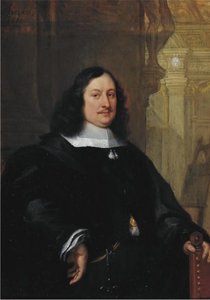
David Teniers the Younger
1610 - 1690 , Belgium
Quick Facts
- Birth Date: 1610
- Birth Place: Antwerp, Belgium
- Death Date: 1690
- Influenced By: Peter Paul Rubens
- Movement: Baroque
- Name: David Teniers the Younger
- Nationality: Flemish
- Notable Works:
- Two Drunkards
- Village Scene
- Kitchen Scene
- Flemish Kermess

