

 Preview
 Send
Send Share
Share
 Details

 Download
 Similars
 X-Ray
X-Ray Diaporama
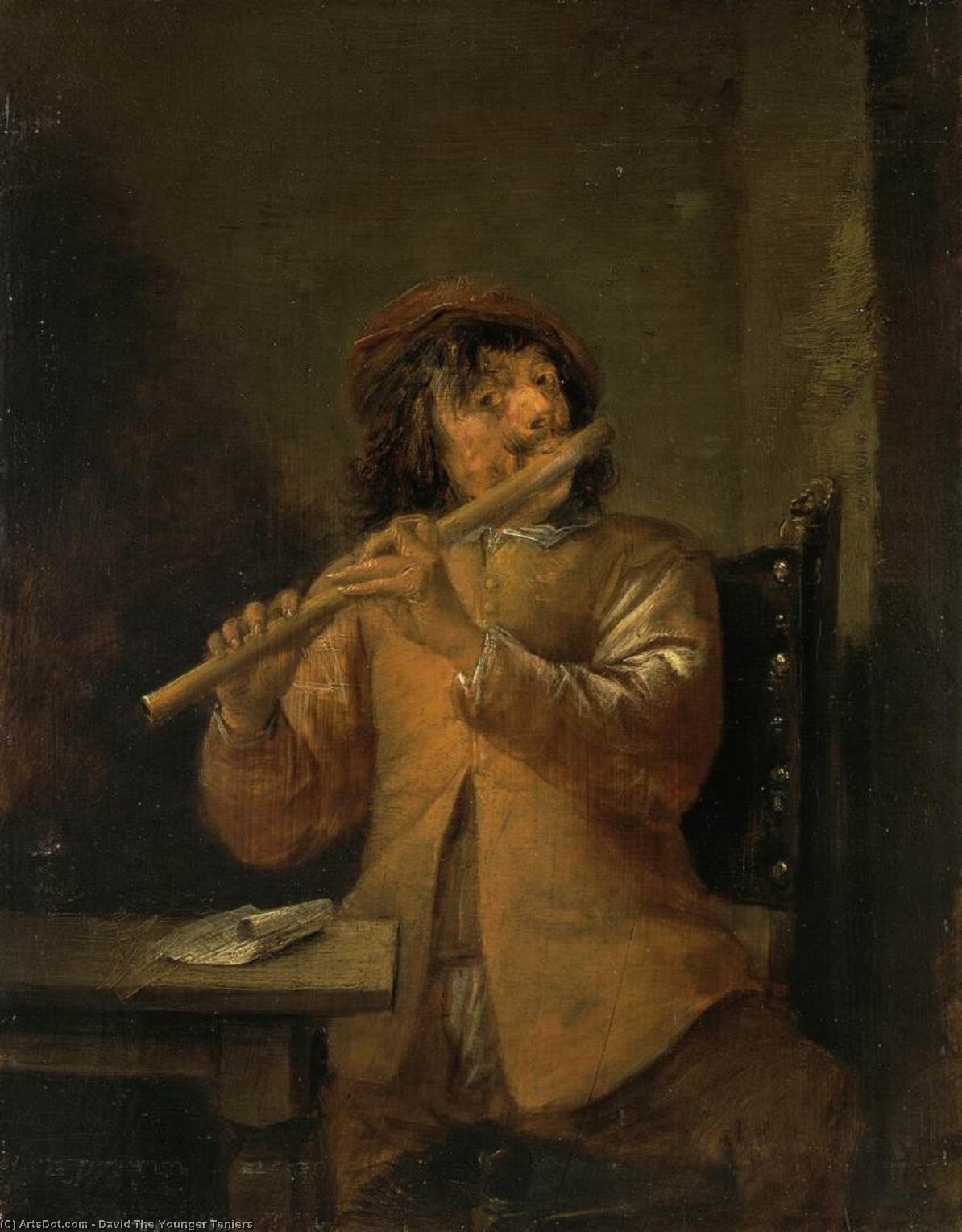
The Flautist
 Oil On Canvas
- WallArt
- Baroque Realism
 1634
1634 25.0 x 20.0 cm
 Hermitage Museum
 Read More
Purchase a high-resolution, enhanced digital image, far superior to the online preview.
Each file is meticulously prepared by our in-house specialists using advanced tools and expert manual retouching. We ensure every image has exceptional clarity, precise color accuracy, and fine detail.
The final file is delivered via email within 72 hours, optimized for immediate use in professional, editorial, and print environments. This is the same quality trusted by top-tier design studios, publishers, and galleries.
Digital Image
Download a high-resolution file for personal display, printing, and creative projects. ( Buy Print Buy Hand Made Painting)
Included in Every Digital Image Order
Expert Digital Delivery, Guaranteed
When you choose ArtsDot.com, you're not just getting an image - you're receiving a professionally enhanced digital artwork, crafted with precision and backed by a satisfaction guarantee. Here's everything that comes with your order, automatically:

Fast Email Delivery
Your high-resolution digital image file will be emailed to you within 72 hours of ordering - ready for immediate use.

AI-Enhanced Digital File
Your artwork is professionally optimized using advanced AI tools and manual editing, ensuring maximum detail, clarity, and color accuracy.

Free Lifetime Re-Delivery
Accidentally deleted or lost your file? No worries - we'll resend it to you anytime, free of charge.

No Import Fees - Ever
Enjoy your artwork instantly with zero customs, duties, or delivery fees - digital downloads are always tax-free.

Color Accuracy Guarantee
We ensure your digital image reflects the original colors as closely as possible using professional tools and color management.

60-Day Satisfaction Guarantee
If you're not satisfied with your digital image, we'll revise it or refund 100% within 60 days - no questions asked.

100% Money-Back Guarantee
Not satisfied? Get a full refund within 60 days of receiving your digital file - no questions asked.

Bulk Order Discounts
Buy 3 images, save 10% - Buy 5, save 15% - Buy 10+, save 20%. Great for creative projects, galleries, and agencies.
Collectible Description
A Portrait of Quiet Reflection: The Flautist by David Teniers the Younger
David Teniers the Younger’s “The Flautist,” painted circa 1635, stands as a quintessential example of Baroque realism—a style that sought to capture the essence of human experience with meticulous detail and dramatic lighting. Originating from Antwerp during the zenith of Flemish artistic achievement, this artwork transcends mere representation; it embodies the spirit of its time and invites contemplation on themes of youth, leisure, and perhaps subtle melancholy.
Composition and Technique: Baroque Realism Embodied
- Formal Arrangement: The painting’s central composition places a young man seated prominently within a shallow space, directing the viewer's gaze immediately to his figure. This simplicity serves to heighten the impact of the subject’s expression and posture.
- Line and Shape: Precise lines delineate the contours of the man’s face, clothing, and crucially, the flute itself—creating solidity and form that are characteristic of Baroque painting. Organic shapes dominate – the rounded features of his visage, the flowing robes, and the cylindrical flute contribute to a harmonious visual balance.
- Texture: Brushstrokes skillfully mimic fabric textures, skin surfaces, and the wood grain of the instrument, adding depth and tactile quality to the artwork. This textural richness is achieved through careful layering and blending techniques.
- Lighting: Dramatic chiaroscuro—the interplay between light and dark—dominates the scene. An unseen source illuminates the subject from above and slightly in front, casting shadows that sculpt the form and emphasize key details, enhancing the painting’s emotional resonance.
Historical Context and Influences
Teniers flourished during a period of artistic innovation fueled by the patronage of wealthy families like Rubens. His formative years were marked by an apprenticeship under his father, David Teniers the Elder, who instilled in him a dedication to capturing realistic depictions of everyday life—a trend championed by Pieter Bruegel the Elder. Notably, Teniers’ association with Peter Paul Rubens profoundly shaped his artistic sensibilities, introducing him to techniques and stylistic considerations that would define his oeuvre.
Symbolism and Emotional Impact
The flute itself serves as a potent symbol of music—representing joy, innocence, and perhaps even wistful longing. Coupled with the subdued color palette dominated by browns, ochres, and muted reds, “The Flautist” evokes a mood of quiet contemplation and understated emotion—a hallmark of Dutch Golden Age portraiture that continues to captivate viewers today.
Materials and Artistic Legacy
Executed in oil paints on canvas, the artwork exemplifies the meticulous craftsmanship demanded by Baroque art. The artist’s masterful handling of pigment and brushwork ensures a luminous surface and enduring visual appeal—a testament to Teniers' contribution to Flemish artistic heritage and his lasting influence on subsequent generations of painters.
Related Artworks
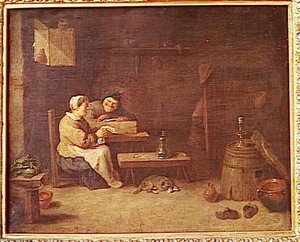
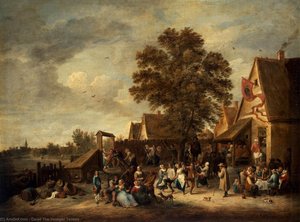
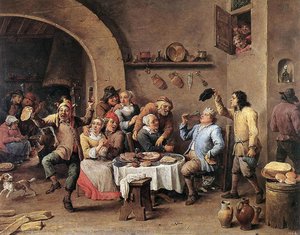
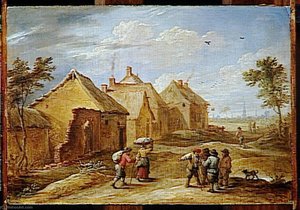
Artist Biography
David Teniers the Younger: Life and Legacy
Early Life and Family Background
- Born: Antwerp, Belgium, December 15, 1610.
- David Teniers the Younger came from a family deeply rooted in the artistic tradition of Flanders. His father, David Teniers the Elder, was also a painter, and several of his siblings pursued careers as artists.
- Training: He initially studied under his father, receiving foundational training in painting techniques and styles.
- The family faced financial difficulties at times, leading young David to make copies of older master paintings to contribute to the household income.
Artistic Development and Influences
- Early Influences: His early work was heavily influenced by his father’s style, focusing on smaller-scale cabinet paintings. He also absorbed influences from other Flemish masters like Pieter Bruegel the Elder.
- Rubens' Impact: A pivotal moment in Teniers’ development came through his association with Peter Paul Rubens. He married Anna Brueghel, daughter of Jan Brueghel the Elder, and Rubens served as a witness at their wedding, establishing a close relationship.
- Genre Specialization: Teniers gradually specialized in genre painting – depictions of everyday life – becoming renowned for his lively scenes of peasant festivals (kermesses), tavern interiors, and village landscapes.
Major Works and Artistic Style
- Genre Scenes: His most celebrated works are his genre paintings. These often depict bustling scenes of peasant life filled with merriment, dancing, drinking, and games.
- Kermess Paintings: The “Flemish Kermess” series exemplifies his style – vibrant colors, detailed compositions, and a keen observation of human behavior.
- Landscape Painting: Teniers also produced charming landscape paintings, often incorporating figures engaged in rural activities.
- Tavern Interiors: His tavern scenes are particularly notable for their realistic portrayal of everyday life and the lively atmosphere within these establishments.
Court Painter and Curator
- Service to Archduke Leopold Wilhelm: Teniers’ talent gained recognition at the Habsburg court. He became a court painter and curator for Archduke Leopold Wilhelm, the Governor General of the Spanish Netherlands.
- Collection Management: As curator, he was responsible for managing the Archduke's extensive art collection, creating an inventory and cataloging the works.
- Founding the Antwerp Academy: Teniers played a crucial role in establishing the Antwerp Academy of Fine Arts, aiming to revitalize Flemish painting after a period of decline following the deaths of Rubens and Van Dyck.
Historical Significance and Legacy
- Leading Genre Painter: David Teniers the Younger is considered the leading Flemish genre painter of his time, capturing the essence of 17th-century life with remarkable skill.
- Influence on Later Artists: His work influenced subsequent generations of Northern European painters and even impacted French Rococo artists like Antoine Watteau.
- Prolific Output: Teniers was an incredibly prolific artist, producing a vast body of work that continues to be admired for its charm, detail, and historical insight.
- Death: He died in Antwerp on April 25, 1690, leaving behind a lasting legacy as one of Flanders’ most important Baroque painters.
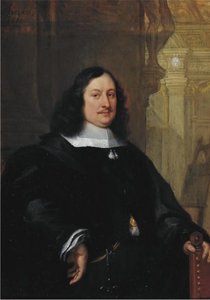
David Teniers the Younger
1610 - 1690 , Belgium
Quick Facts
- Birth Date: 1610
- Birth Place: Antwerp, Belgium
- Death Date: 1690
- Influenced By: Peter Paul Rubens
- Movement: Baroque
- Name: David Teniers the Younger
- Nationality: Flemish
- Notable Works:
- Two Drunkards
- Village Scene
- Kitchen Scene
- Flemish Kermess

