

 Preview
 Send
Send Share
Share
 Details

 Download
 Similars
 X-Ray
X-Ray Diaporama
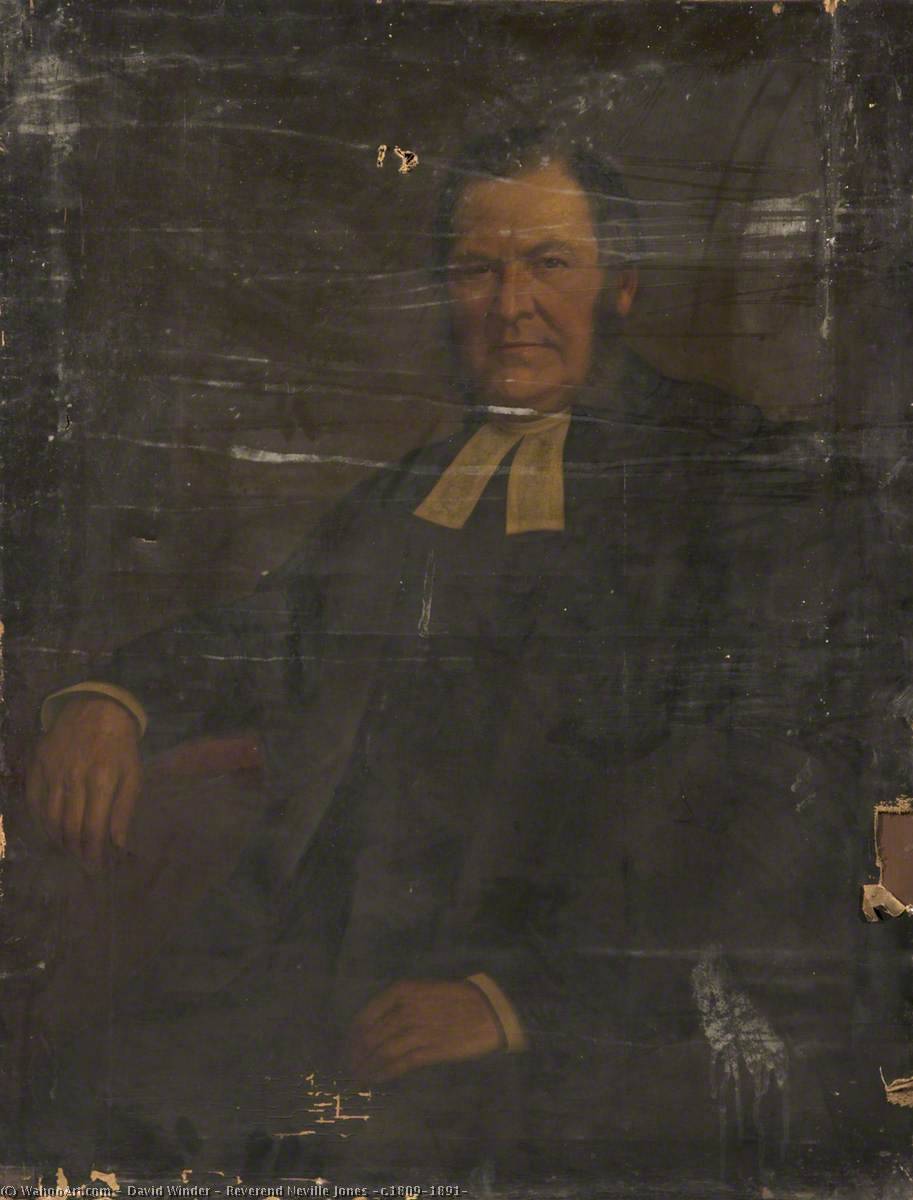
Reverend Neville Jones (c.1809–1891)
 1877
1877 111.0 x 86.0 cm
 Bolton Museum And Art Gallery
 Read More
Purchase a high-resolution, enhanced digital image, far superior to the online preview.
Each file is meticulously prepared by our in-house specialists using advanced tools and expert manual retouching. We ensure every image has exceptional clarity, precise color accuracy, and fine detail.
The final file is delivered via email within 72 hours, optimized for immediate use in professional, editorial, and print environments. This is the same quality trusted by top-tier design studios, publishers, and galleries.
Digital Image
Download a high-resolution file for personal display, printing, and creative projects. ( Buy Print Buy Hand Made Painting)
Included in Every Digital Image Order
Expert Digital Delivery, Guaranteed
When you choose ArtsDot.com, you're not just getting an image - you're receiving a professionally enhanced digital artwork, crafted with precision and backed by a satisfaction guarantee. Here's everything that comes with your order, automatically:

Fast Email Delivery
Your high-resolution digital image file will be emailed to you within 72 hours of ordering - ready for immediate use.

AI-Enhanced Digital File
Your artwork is professionally optimized using advanced AI tools and manual editing, ensuring maximum detail, clarity, and color accuracy.

Free Lifetime Re-Delivery
Accidentally deleted or lost your file? No worries - we'll resend it to you anytime, free of charge.

No Import Fees - Ever
Enjoy your artwork instantly with zero customs, duties, or delivery fees - digital downloads are always tax-free.

Color Accuracy Guarantee
We ensure your digital image reflects the original colors as closely as possible using professional tools and color management.

60-Day Satisfaction Guarantee
If you're not satisfied with your digital image, we'll revise it or refund 100% within 60 days - no questions asked.

100% Money-Back Guarantee
Not satisfied? Get a full refund within 60 days of receiving your digital file - no questions asked.

Bulk Order Discounts
Buy 3 images, save 10% - Buy 5, save 15% - Buy 10+, save 20%. Great for creative projects, galleries, and agencies.
Related Artworks
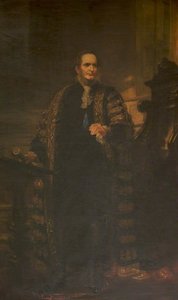
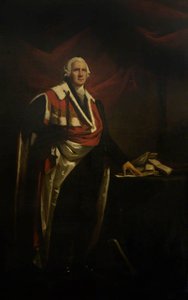
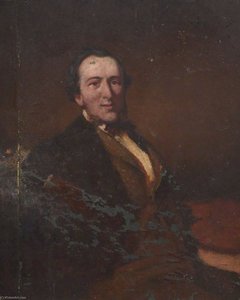
Artist Biography
David Winder: A Lancashire Portraitist of the Victorian Elite
David Winder (1824–1912) remains a quietly significant figure in 19th-century British art, largely due to his prolific and intimate portraits of the elite of Bolton, Lancashire. Born into a family deeply rooted in the region’s thriving textile industry – his father managed a prominent mill – Winder's artistic journey was shaped by both familial stability and the vibrant social landscape of his hometown. Unlike many artists who sought grand commissions or travelled to fashionable centers like London, Winder dedicated his entire career to capturing the likenesses and status of Bolton’s leading figures: mayors, industrialists, merchants, and their families. This singular focus has resulted in a remarkably complete collection of portraits, offering an invaluable window into the social fabric and aspirations of Victorian Lancashire.Early Life and Artistic Beginnings
Winder's early life provided a grounding in both practical skills and artistic appreciation. His father’s position within a textile mill exposed him to the rhythms of industry and the importance of meticulous observation – qualities that would undoubtedly inform his portraiture. While details about his formal training are scarce, it is believed he initially studied under local artists before establishing himself as a professional painter in Bolton. His early works demonstrate a solid technical foundation, characterized by careful rendering of features and an understanding of light and shadow. Notably, his earliest surviving portraits, such as the celebrated depiction of Charles James Darbishire (Mayor of Bolton), showcase a burgeoning talent for capturing personality alongside physical likeness – a hallmark of Winder’s style.Technique and Style: The Essence of Lancashire Portraiture
Winder's artistic approach is defined by a subtle yet powerful realism, tempered with an appreciation for atmospheric effects. He primarily worked in oil on canvas, favoring a palette that reflects the muted tones of the Lancashire landscape – browns, greys, and ochres dominate, punctuated by flashes of color to highlight clothing or facial features. His brushwork is generally smooth and controlled, prioritizing clarity of form and detail. However, he skillfully employed techniques such as *sfumato* (a subtle blurring of edges) to create a sense of depth and volume, particularly in the rendering of fabrics and textures. Crucially, Winder wasn’t simply replicating appearances; he was attempting to convey character – the dignity, authority, or quiet contemplation of his subjects. His portraits are imbued with a palpable sense of place, reflecting the values and social conventions of Victorian Bolton.Subjects and Social Context
The vast majority of Winder’s commissions came from prominent members of Bolton society. He painted nearly all the Mayors of Bolton during his career, alongside numerous industrialists, merchants, and their families. These portraits weren't merely decorative; they served as visual markers of social status and wealth within a rapidly industrializing community. The subjects themselves – often impeccably dressed in fashionable attire – project an air of confidence and prosperity. Examining these portraits offers a fascinating glimpse into the aspirations and anxieties of Victorian Lancashire’s elite, revealing their commitment to tradition, industry, and social standing. The fact that Winder was able to consistently secure commissions from such influential figures speaks volumes about his reputation for professionalism and his ability to capture the essence of his subjects.Legacy and Collections
Today, David Winder’s work is primarily housed in public collections, offering accessible opportunities for study and appreciation. His portraits are held by Gallery Oldham and the Bolton Museum & Art Gallery, Lancashire. His nine oil paintings represent a significant contribution to British portraiture of the Victorian era, providing invaluable insights into the social history and artistic practices of a specific region. While he may not be as widely celebrated as some of his contemporaries, David Winder’s meticulous portraits continue to resonate with their quiet dignity and intimate portrayal of Lancashire life. His legacy lies in his dedication to capturing the faces and stories of a community, preserving a vital record of Victorian society for future generations.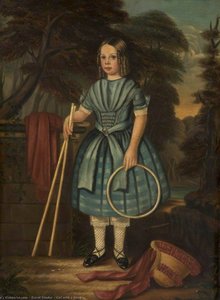
david winder
1824 - 1912
Quick Facts
- Artistic Movement Or Style: Portraiture
- Date Of Birth: 1824
- Date Of Death: 1912
- Full Name: David Winder
- Nationality: British
- Notable Artworks:
- James Ashworth
- Charles James Darbishire
- Place Of Birth: Bolton, Lancashire

