

 Preview
 Send
Send Share
Share
 Details

 Download
 Similars
 X-Ray
X-Ray Diaporama
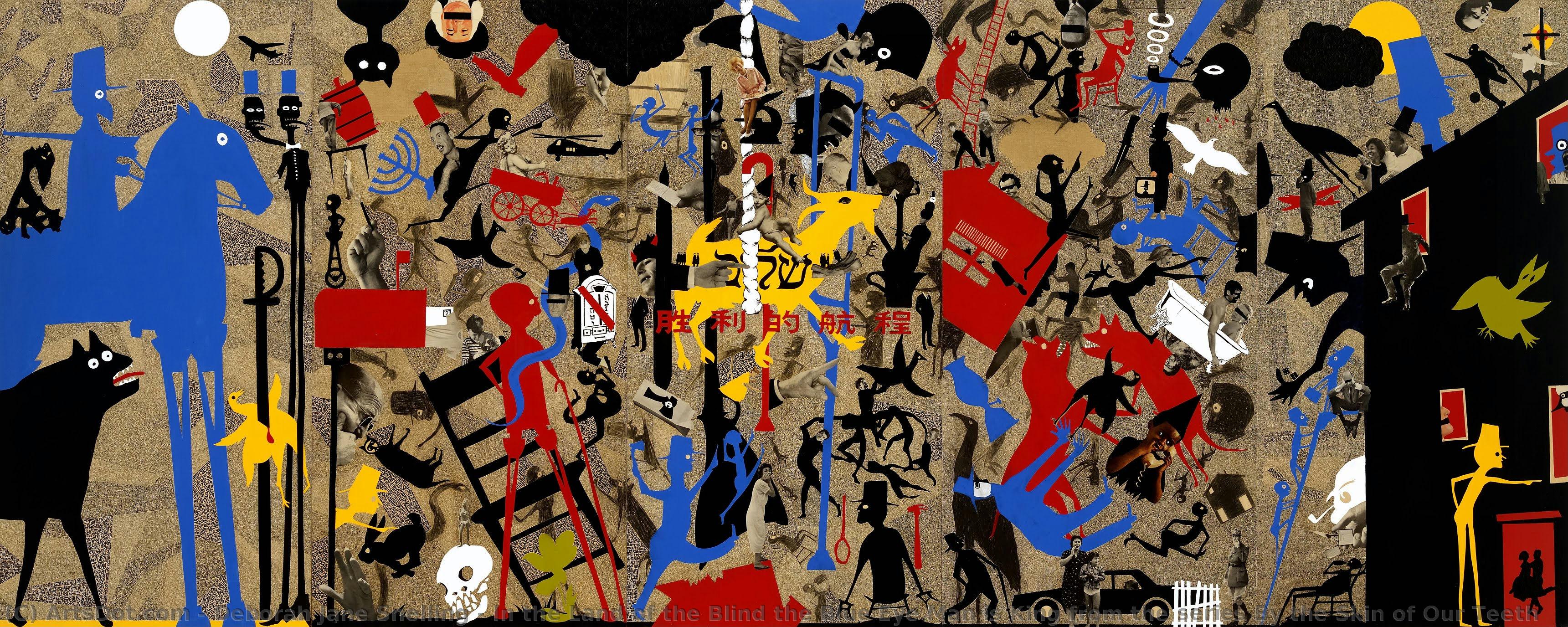
In the Land of the Blind the Blue Eye Man is King from the series By the Skin of Our Teeth
 Surrealism
 2007
2007 182.0 x 457.0 cm
 Nasher Museum of Art at Duke University
 Read More
Purchase a high-resolution, enhanced digital image, far superior to the online preview.
Each file is meticulously prepared by our in-house specialists using advanced tools and expert manual retouching. We ensure every image has exceptional clarity, precise color accuracy, and fine detail.
The final file is delivered via email within 72 hours, optimized for immediate use in professional, editorial, and print environments. This is the same quality trusted by top-tier design studios, publishers, and galleries.
Digital Image
Download a high-resolution file for personal display, printing, and creative projects. ( Buy Print Buy Hand Made Painting)
Included in Every Digital Image Order
Expert Digital Delivery, Guaranteed
When you choose ArtsDot.com, you're not just getting an image - you're receiving a professionally enhanced digital artwork, crafted with precision and backed by a satisfaction guarantee. Here's everything that comes with your order, automatically:

Fast Email Delivery
Your high-resolution digital image file will be emailed to you within 72 hours of ordering - ready for immediate use.

AI-Enhanced Digital File
Your artwork is professionally optimized using advanced AI tools and manual editing, ensuring maximum detail, clarity, and color accuracy.

Free Lifetime Re-Delivery
Accidentally deleted or lost your file? No worries - we'll resend it to you anytime, free of charge.

No Import Fees - Ever
Enjoy your artwork instantly with zero customs, duties, or delivery fees - digital downloads are always tax-free.

Color Accuracy Guarantee
We ensure your digital image reflects the original colors as closely as possible using professional tools and color management.

60-Day Satisfaction Guarantee
If you're not satisfied with your digital image, we'll revise it or refund 100% within 60 days - no questions asked.

100% Money-Back Guarantee
Not satisfied? Get a full refund within 60 days of receiving your digital file - no questions asked.

Bulk Order Discounts
Buy 3 images, save 10% - Buy 5, save 15% - Buy 10+, save 20%. Great for creative projects, galleries, and agencies.
Related Artworks
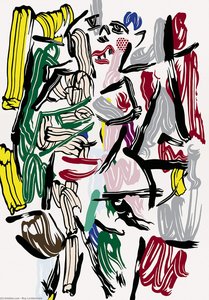
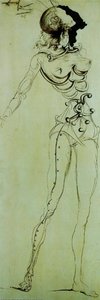
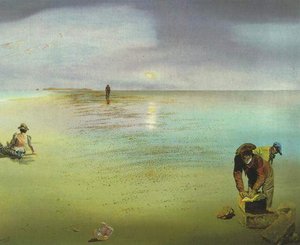
Artist Biography
Early Life and Artistic Foundations (1947 – 1960s)
Laurie Anderson’s journey into the world of art began in Chicago, Illinois, on June 5, 1947. Growing up amidst a large family in Glen Ellyn, she developed a keen interest in both visual arts and music from an early age. Her childhood was enriched by frequent visits to the Art Institute of Chicago, where she absorbed the works of masters and cultivated a deep appreciation for artistic expression. This formative experience, coupled with her participation in the Chicago Youth Symphony Orchestra, laid the groundwork for her future explorations across diverse mediums. Following graduation from Glenbard West High School, Anderson pursued higher education at Mills College in California, earning a Bachelor’s degree in Art History and a Master of Fine Arts in Sculpture. It was during this period that she began to experiment with performance art, laying the foundation for her distinctive blend of music, visual imagery, and spoken word. Early influences included minimalist sculpture and avant-garde theater, shaping her approach to creating immersive and often challenging artistic experiences.The Rise of a Performance Artist (1970s – 1980s)
The 1970s marked a pivotal decade for Laurie Anderson’s career as she established herself as a leading figure in the burgeoning performance art scene of New York City. She moved into the rapidly evolving SoHo district, a haven for artists and creatives seeking alternative spaces to develop their work. This period saw her experimenting with a wide range of techniques, including violin, keyboards, percussion, and vocals, often incorporating electronic instruments and sound effects into her performances. Anderson’s early works were characterized by a playful yet intellectually stimulating approach, exploring themes of language, technology, and the human condition. Her innovative use of multimedia elements—video projections, synthesizers, and spoken word—created captivating and disorienting experiences for audiences. The iconic song “O Superman,” released in 1981, catapulted her to international fame, demonstrating the crossover appeal of her unique artistic vision. This success wasn’t merely a fluke; it reflected a growing public interest in experimental art forms and a willingness to embrace unconventional approaches to music and performance.Expanding Horizons: Film, Literature, and Technological Innovation (1980s – 2000s)
Throughout the 1980s and beyond, Laurie Anderson continued to push the boundaries of her artistic practice, venturing into new mediums and exploring increasingly complex themes. She wrote and starred in *Home of the Brave*, a film that combined live performance with cinematic storytelling, further blurring the lines between art forms. Her work also extended into electronic literature, creating interactive multimedia installations that engaged audiences on multiple levels. A defining characteristic of Anderson’s career has been her embrace of technology as an integral part of her artistic process. She invented and utilized a variety of custom-built instruments—including the Vocoder, a device that manipulates speech through electronic circuits—to create unique sonic textures and explore new possibilities for musical expression. Her commitment to innovation extended beyond sound; she also developed interactive video systems and explored the potential of digital media as a means of artistic communication.Legacy and Continuing Influence
Laurie Anderson’s impact on contemporary art is undeniable. She remains a pioneering figure in performance art, pushing the boundaries of what's possible through her innovative use of technology, multimedia, and language. Her work has influenced generations of artists, musicians, and filmmakers, inspiring them to embrace experimentation and challenge conventional artistic norms. Beyond her individual achievements, Anderson’s career represents a broader shift towards interdisciplinary practice—a willingness to combine seemingly disparate art forms into cohesive and thought-provoking experiences. Her legacy extends beyond the realm of art; she is also a respected voice on issues of technology, culture, and society, using her platform to engage in critical dialogue about the future of our world. Today, Laurie Anderson continues to create new works, demonstrating an enduring commitment to artistic exploration and a profound understanding of the power of art to shape our perceptions and inspire change.
deborah jane snelling
1947 - , United Kingdom
Quick Facts
- Artistic Movement Or Style:
- Avant-garde
- Performance art
- Electronic music
- Artists Or Movements Influenced By This Artist:
- Minimalism
- Electronic music
- Artists Who Influenced This Artist:
- John Cage
- Stockhausen
- Date Of Birth: June 5, 1947
- Full Name: Laurie Anderson
- Nationality: American
- Notable Artworks:
- O Superman
- Home of the Brave
- Place Of Birth: Chicago, Illinois

