 Preview
 Send
Send Share
Share
 Details

 Download
 Similars
 X-Ray
X-Ray Diaporama
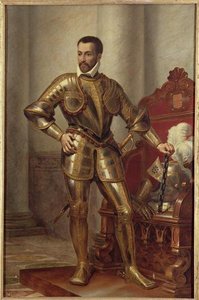
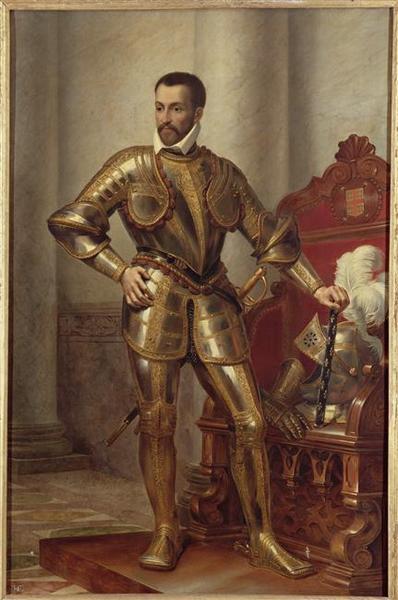
FRANCOIS, DUC DE MONTMORENCY, MARECHAL DE FRANCE ( 1579)
 Read More
Hand Made Oil Reproduction
Hand-painted oil on canvas in your size and frame, made to order by our artists. ( Buy Print Buy Image)




































Pick from our preset sizes that match the artwork's original proportions.

You may enter your own dimensions to fit a specific frame or space. If your selected size does not match the original image's proportions, we will either crop the artwork or extend the painting with additional hand-painted elements. A digital mockup will be sent for your approval before production begins.
Please note that the on-screen preview does not reflect the actual cropping or extension. Only the mockup will accurately show the final composition.
While custom sizes are available, we recommend selecting a dimension from the predefined list to preserve the original proportions.
After order, ArtsDot.com team will email client for instructions and provide a mockup preview
Worldwide Delivery () in 3/4 weeks instead of standard 5 weeks. (16 August). No compromise on quality.

Free Worldwide Express Shipping

High-Quality Linen Canvas

Full Shipping Insurance

Customs Tax Refund Guarantee

True Color Matching Guarantee

60-Day Return Policy (Defects Only)

100% Money-Back Guarantee

Bulk Discount Offer
 Glass option is only available in size under 110 CM

FRANCOIS, DUC DE MONTMORENCY, MARECHAL DE FRANCE ( 1579)
Reproduction Medium
Reproduction Size
-


Total Price
$ 263
Related Artworks

Artist Biography
François-Louis Dejuinne: A Roman Echo in Parisian History
François-Louis Dejuinne, a name perhaps less familiar than many of his contemporaries, nevertheless represents a significant thread in the tapestry of 19th-century French art. Born in Paris in 1786, Dejuinne’s artistic journey was deeply shaped by early instruction under Girodet, a prominent figure known for his Neoclassical style and influence on subsequent generations of painters. However, it was his sojourn to Rome that proved transformative, immersing him within the legacy of Titian, Paolo Veronese, and other masters of the High Renaissance – artists whose techniques and thematic concerns would indelibly inform his own work.
Dejuinne’s artistic output primarily focused on historical subjects and portraits. His paintings frequently depicted scenes from biblical narratives and classical mythology, often imbued with a sense of dramatic grandeur reminiscent of the Roman masters he so admired. Notable works include the ‘Ascension of the Virgin,’ a powerfully rendered scene for Notre-Dame de Lorette, and ‘St. Geneviève,’ another significant piece executed for that same Parisian landmark. Furthermore, his involvement in decorating the Trianon Palace with “The Four Seasons” demonstrates an ambition to contribute to the opulent world of royal patronage.
Roman Influences and Artistic Development
Dejuinne’s time in Rome wasn't merely a vacation; it was a deliberate immersion into the artistic principles that underpinned much of Western art. He meticulously studied the techniques employed by Veronese, particularly his masterful use of light and color to create atmospheric depth and illusionistic space. Titian’s dynamic compositions and expressive brushwork also exerted a considerable influence, shaping Dejuinne's approach to depicting figures in motion and conveying emotional intensity. This Roman experience is crucial to understanding the stylistic choices he made throughout his career – a subtle yet persistent echo of classical grandeur.
His early works demonstrate a clear adherence to Neoclassical ideals—precise lines, idealized forms, and a restrained palette. However, as he matured, Dejuinne began to incorporate elements of Romanticism, particularly in his use of dramatic lighting and heightened emotional expression. This evolution reflects the broader shifts occurring within the art world during the early 19th century, as artists increasingly sought to capture subjective experience and evoke powerful emotions.
Major Works and Historical Context
The ‘Ascension of the Virgin,’ a cornerstone of Dejuinne’s oeuvre, exemplifies his ability to synthesize classical influences with a distinctly personal vision. The composition is carefully balanced, drawing upon traditional pyramidal structures while simultaneously imbuing the scene with a palpable sense of drama and movement. Similarly, ‘St. Geneviève’ showcases his skill in rendering intricate details and capturing the solemnity of religious iconography. These works are not simply reproductions of established narratives; they represent Dejuinne's interpretation of those stories through the lens of his own artistic sensibility.
Dejuinne’s work was created during a period of significant political and social upheaval in France – the aftermath of the French Revolution and the rise of Napoleon Bonaparte. The monarchy, though weakened, still exerted considerable influence on the arts, and artists were often commissioned to create works that glorified the nation's history and values. Dejuinne’s historical paintings reflect this context, serving as visual narratives that reinforced a sense of continuity with the past while simultaneously celebrating the achievements of the present.
Legacy and Significance
While François-Louis Dejuinne may not be among the most celebrated figures in French art history, his contributions deserve recognition for their stylistic sophistication and historical context. His work stands as a testament to the enduring influence of the Roman artistic tradition on 19th-century France. His paintings offer valuable insights into the evolving relationship between Neoclassicism and Romanticism, and his depictions of biblical narratives and classical mythology provide compelling visual interpretations of timeless themes.
Further research reveals that Dejuinne’s work was frequently exhibited in Parisian salons and found favor with royal patrons. His artistic legacy is preserved through a number of surviving paintings, which can be viewed at institutions such as the Saint Louis Art Museum and online resources like WikiArt.org, where his works are available for study and appreciation.
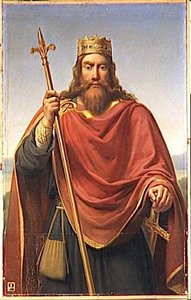
dejuinne françois louis
1786 - 1844
Quick Facts
- Artistic Movement Or Style: Historical painting
- Artists Or Movements Influenced By This Artist: ['Girodet']
- Artists Who Influenced This Artist:
- Titian
- Paolo Veronese
- Date Of Birth: 1786
- Date Of Death: 1844
- Full Name: François-Louis Dejuinne
- Nationality: French
- Notable Artworks:
- Ascension of the Virgin
- St. Geneviève
- The Four Seasons
- Place Of Birth: Paris, France