
- Home

- Digital Image
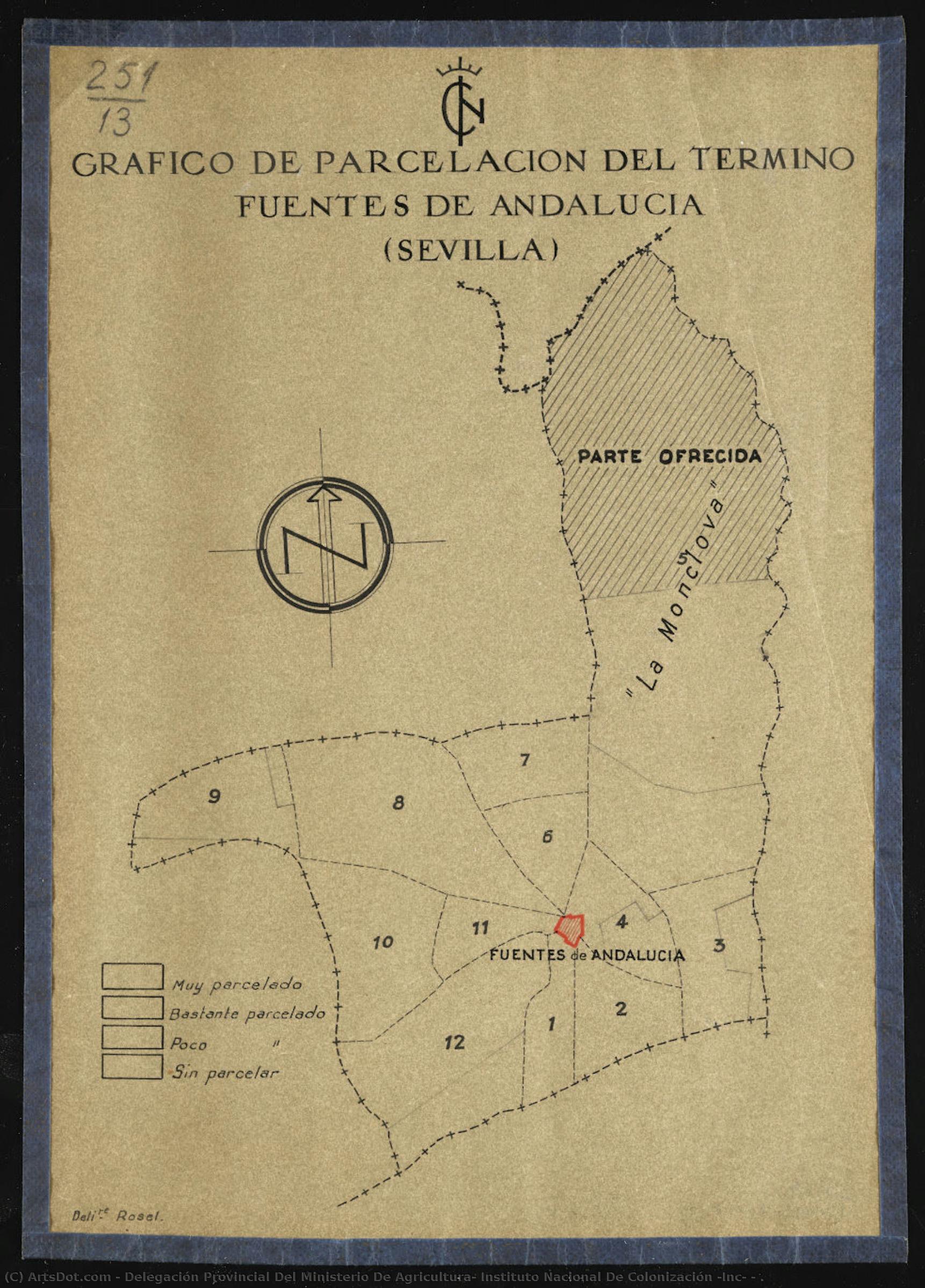
- delegación provincial del ministerio de agricultura, instituto nacional de colonización (inc)
 Preview
 Send
Send Share
Share
 Details

 Download
 Similars
 X-Ray
X-Ray Diaporama
.


 Read More
Purchase a high-resolution, enhanced digital image, far superior to the online preview.
Each file is meticulously prepared by our in-house specialists using advanced tools and expert manual retouching. We ensure every image has exceptional clarity, precise color accuracy, and fine detail.
The final file is delivered via email within 72 hours, optimized for immediate use in professional, editorial, and print environments. This is the same quality trusted by top-tier design studios, publishers, and galleries.
Digital Image
Download a high-resolution file for personal display, printing, and creative projects. ( Buy Print Buy Hand Made Painting)
Included in Every Digital Image Order
Expert Digital Delivery, Guaranteed
When you choose ArtsDot.com, you're not just getting an image - you're receiving a professionally enhanced digital artwork, crafted with precision and backed by a satisfaction guarantee. Here's everything that comes with your order, automatically:

Fast Email Delivery
Your high-resolution digital image file will be emailed to you within 72 hours of ordering - ready for immediate use.

AI-Enhanced Digital File
Your artwork is professionally optimized using advanced AI tools and manual editing, ensuring maximum detail, clarity, and color accuracy.

Free Lifetime Re-Delivery
Accidentally deleted or lost your file? No worries - we'll resend it to you anytime, free of charge.

No Import Fees - Ever
Enjoy your artwork instantly with zero customs, duties, or delivery fees - digital downloads are always tax-free.

Color Accuracy Guarantee
We ensure your digital image reflects the original colors as closely as possible using professional tools and color management.

60-Day Satisfaction Guarantee
If you're not satisfied with your digital image, we'll revise it or refund 100% within 60 days - no questions asked.

100% Money-Back Guarantee
Not satisfied? Get a full refund within 60 days of receiving your digital file - no questions asked.

Bulk Order Discounts
Buy 3 images, save 10% - Buy 5, save 15% - Buy 10+, save 20%. Great for creative projects, galleries, and agencies.
Related Artworks
Artist Biography
The Legacy of Land Reform: Delegación Provincial del Ministerio de Agricultura, Instituto Nacional de Colonización (INC)
The name “Delegación Provincial del Ministerio de Agricultura, Instituto Nacional de Colonización (INC)” doesn’t readily conjure images of artistic expression. Yet, this organization, born from the ashes of the Spanish Civil War in 1939, represents a fascinating and often overlooked chapter in Spain's history—a chapter powerfully documented through its ambitious agricultural reform projects. The INC wasn’t comprised of individual artists in the traditional sense; rather, it was a state body tasked with reshaping the nation’s productive landscape, and its “work” manifests as meticulously planned settlements, irrigation systems, and architectural designs intended to revitalize rural communities and boost agricultural output. To understand their significance is to delve into the complex socio-political climate of post-war Spain and the desire for self-sufficiency under Franco's regime.A Nation Rebuilt: The Context of Creation
The Spanish Civil War (1936-1939) left deep scars on the country, not only in terms of human loss but also in the devastation of its agricultural infrastructure. Large estates lay fallow or were inefficiently managed, and rural poverty was widespread. The *autarquía* policy adopted by Franco’s government aimed for national self-sufficiency, reducing reliance on foreign imports. This ambition necessitated a radical overhaul of the agrarian sector. The INC was established as the primary instrument to achieve this goal, operating under the Ministry of Agriculture. Its mandate extended beyond mere economic reform; it sought to address social inequalities and stabilize the rural population—a population deeply fractured by years of conflict. The organization’s work wasn't simply about increasing crop yields; it was a deliberate attempt to reconstruct the very fabric of Spanish society through land redistribution, infrastructure development, and the creation of new communities designed around principles of efficiency and collective living.The Architecture of Progress: Projects and Principles
The INC’s projects were characterized by a pragmatic approach rooted in functionalism. While not adhering to a single architectural style, there was a clear emphasis on rational design, standardized building plans, and the efficient use of resources. New settlements—*pueblos de colonización*—were meticulously planned, often featuring grid-like street layouts, communal facilities (schools, healthcare centers, social clubs), and housing designed for agricultural workers and their families. Irrigation systems were a crucial component, transforming arid lands into fertile fields. The documentation of these projects – detailed maps, architectural drawings, and photographic records – constitutes the bulk of what we recognize as the INC’s artistic output. These aren't paintings or sculptures; they are blueprints for a new Spain, visual representations of a utopian vision grounded in practicality and social engineering. A prime example is the “Proyecto de ordenación del Pueblo Arroyo Salado. Nuevo Pueblo de Guadalema de los Quintero (Sevilla)”, showcasing the INC’s commitment to comprehensive planning, including housing types and infrastructure layouts.Influences and Legacy: Beyond Autarky
The INC's work wasn’t created in a vacuum. It drew inspiration from various sources, including international models of agricultural reform and rationalist architecture prevalent in Europe during the interwar period. The emphasis on functionality and standardized design reflects the influence of movements like the Bauhaus, although adapted to the specific context of rural Spain. While initially driven by the ideological goals of Franco’s regime, the INC's projects had a lasting impact on the Spanish countryside. Many *pueblos de colonización* continue to thrive today, serving as testaments to the organization’s long-term vision and its ability to create sustainable communities. However, it is important to acknowledge the complex legacy of this period. The land redistribution policies were not without their controversies, and the social engineering aspects of the INC's work often prioritized state control over individual autonomy. Nevertheless, the architectural and infrastructural achievements remain significant, offering a unique insight into a pivotal moment in Spanish history—a moment where art and politics converged to reshape the nation’s landscape and its people’s lives.Historical Significance: Documenting a Transformation
The work of the Delegación Provincial del Ministerio de Agricultura, Instituto Nacional de Colonización (INC) transcends traditional artistic boundaries. It represents a form of applied art—a deliberate intervention in the physical world with profound social and political implications. By meticulously documenting their projects, the INC created an invaluable archive that sheds light on the challenges and aspirations of post-Civil War Spain. These records offer a unique perspective on the relationship between architecture, agriculture, and state power, revealing the complex interplay of ideology, planning, and implementation. Today, these documents serve as a reminder of a transformative period in Spanish history—a period marked by both ambition and controversy, but ultimately defined by a desire to rebuild a nation from the ground up. The INC’s legacy is not simply about agricultural reform; it's about the power of design to shape society and the enduring impact of state-sponsored projects on the lives of ordinary people.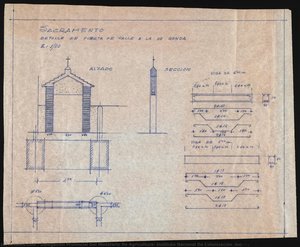
Quick Facts
- Artistic Movement Or Style: Agricultural Reform Art
- Artists Or Movements Influenced By This Artist: ['']
- Artists Who Influenced This Artist: ['']
- Full Name: Delegación Provincial del Ministerio de Agricultura, Instituto Nacional de Colonización
- Nationality: Spanish
- Notable Artworks: ['Cadastral Map Seville 1951']
- Place Of Birth: Spain

